Donald Trump arrived in Beijing for a two-day summit with Xi Jinping focused on tariffs, semiconductors, AI restrictions, and broader U.S.-China economic relations.
By Benjamin Harper | Edited by Oleg Petrenko
Published:
Donald Trump arrived in Beijing for a two-day summit with Xi Jinping centered on tariffs, semiconductors, AI restrictions, and broader economic ties between the U.S. and China. Photo: The White House
Donald Trump arrived in Beijing for a two-day summit with Xi Jinping, marking Trump’s first visit to China since 2017 and setting the stage for what analysts describe as a major attempt to reset economic relations between the two countries.
The summit, scheduled for May 14 and 15, comes after years of escalating trade tensions that disrupted global supply chains, increased tariffs, and intensified competition over semiconductors and artificial intelligence technologies.
Reports indicate that the U.S. delegation includes several prominent corporate leaders, among them executives from Tesla, Apple, Nvidia, Boeing, Qualcomm, Micron, Goldman Sachs, BlackRock, Visa, Mastercard, and other major multinational firms.
Trade, AI, and Semiconductors Dominate Agenda
The meetings are expected to focus heavily on reducing tariffs imposed during the 2025 trade conflict, which reportedly pushed some duties as high as 57%.
Discussions are also expected to cover rare earth mineral supply agreements, semiconductor export restrictions, artificial intelligence policy, and broader access between U.S. and Chinese markets.
Technology and industrial companies have been particularly affected by rising geopolitical tensions between Washington and Beijing, especially around semiconductor manufacturing and advanced AI systems.
Analysts believe China may push for softer U.S. export controls on advanced chips and less aggressive policy toward Taiwan, while the U.S. side is expected to prioritize supply chain stability and market access for American firms.
The summit may also include discussions involving Tesla’s Full Self-Driving technology approval in China and potential aircraft orders for Boeing.
Markets Watch for Signs of Economic Reset
Global markets are closely monitoring the summit for signals that the world’s two largest economies may be moving toward a more stable relationship after years of escalating tensions.
The trade conflict between the U.S. and China has significantly affected semiconductors, commodities, manufacturing, and global technology supply chains over the past several years.
Investors are particularly focused on whether the talks could ease restrictions affecting AI infrastructure, rare earth exports, and advanced semiconductor equipment.
A reduction in trade barriers could improve sentiment across technology, industrial, and consumer sectors, while any progress on semiconductor policy would likely have significant implications for global AI competition.
At the same time, analysts caution that major structural disagreements remain unresolved, particularly regarding Taiwan, technology controls, and strategic industrial policy.
The broader takeaway is that the Trump-Xi summit represents not only a diplomatic meeting, but also a potentially pivotal moment for global trade, artificial intelligence competition, and financial market stability.
Google is reportedly in talks with SpaceX about launching orbital data centers as tech companies explore new ways to expand AI computing infrastructure.
By Michael Foster | Edited by Oleg Petrenko
Published:
Google is reportedly discussing orbital data center launches with SpaceX as technology companies search for new ways to expand AI computing infrastructure. Photo: Oleg Petrenko / MarketSpeaker
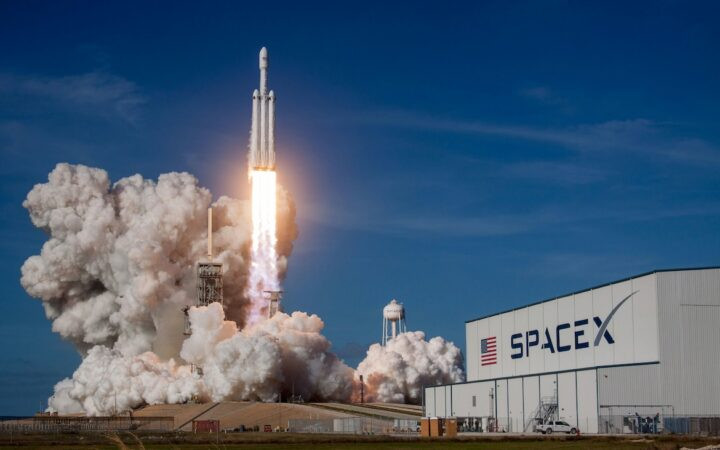
Google is reportedly exploring plans to deploy data centers directly into Earth’s orbit and has entered discussions with SpaceX regarding potential rocket launches for the project.
According to reports, Google is seeking launch and infrastructure partners capable of supporting orbital computing systems as demand for artificial intelligence processing power continues accelerating worldwide.
The company is also said to be in discussions with additional aerospace firms as it evaluates the feasibility of building space-based infrastructure for cloud computing and AI services.
AI Compute Demand Pushes Beyond Earth
The discussions reflect the growing strain on terrestrial data center infrastructure as AI systems require increasing amounts of energy, cooling, and computing power.
Technology companies are now exploring alternative approaches to scaling AI infrastructure, including orbital computing systems that could potentially offer advantages in power generation, cooling efficiency, and physical expansion capacity.
The concept of space-based data centers has gained momentum as artificial intelligence workloads continue rising exponentially across cloud computing platforms and enterprise systems.
Analysts note that orbiting data centers could theoretically reduce some of the limitations associated with traditional Earth-based facilities, including land availability, energy constraints, and thermal management challenges.
The reported talks also underscore how the space industry is becoming increasingly tied to the future growth of artificial intelligence infrastructure.
Orbital Infrastructure Emerges as New Technology Frontier
For SpaceX, the project could represent another major commercial opportunity for its heavy-lift launch systems, particularly Starship, which is designed to transport significantly larger payloads into orbit.
The move also highlights how major technology firms are increasingly investing directly into physical infrastructure rather than relying solely on software and cloud services.
While orbital data centers remain highly experimental, investor interest in space-based computing has intensified as AI demand pushes existing infrastructure closer to capacity limits.
Some experts caution that significant technical and economic challenges remain, including radiation exposure, hardware maintenance, launch costs, and long-term operational reliability.
Still, markets continue rewarding companies positioned around AI infrastructure expansion, with investors increasingly viewing compute power as one of the world’s most valuable strategic resources.
The broader takeaway is that the race to secure AI computing capacity is beginning to reshape not only the semiconductor and cloud industries, but also the future direction of commercial space development.
Berkshire Hathaway’s cash reserves climbed to a record $380 billion as the company extended its streak of net stock sales to 14 consecutive quarters.
By Daniel Wright | Edited by Oleg Petrenko
Published:
Berkshire Hathaway’s cash reserves rose to a record $380 billion as the company recorded its 14th straight quarter of net stock sales. Photo: Oleg Petrenko / MarketSpeaker
Berkshire Hathaway reported that its cash reserves climbed to a record $380 billion, underscoring the company’s increasingly defensive positioning amid elevated equity market valuations.
The conglomerate sold a net $8.1 billion worth of stocks during the previous quarter, marking its 14th consecutive quarter of net equity sales.
The growing cash position has drawn significant attention from investors, many of whom view Berkshire’s allocation strategy as a broader signal about market conditions and valuation risks.
Buffett Maintains Defensive Positioning
The continued selling streak reflects ongoing caution from Berkshire CEO Warren Buffett and the company’s investment team as major U.S. equity indices remain near record highs.
Analysts note that Berkshire has struggled to find acquisition targets and public equity investments that meet its long-term return expectations in the current environment.
The company’s massive cash reserves are primarily held in short-term Treasury securities and other highly liquid assets, benefiting from elevated interest rates that continue generating strong income on idle capital.
At the same time, Berkshire has reduced exposure across several stock holdings over the past year, including trimming positions in parts of the financial and consumer sectors.
The sustained move toward cash has fueled speculation that Buffett sees limited value opportunities in today’s market despite continued enthusiasm surrounding artificial intelligence and large-cap technology stocks.
Record Cash Raises Market Questions
Berkshire’s growing cash position comes as equity markets continue reaching record highs driven largely by AI-related optimism and strong momentum in mega-cap technology shares.
Some investors interpret Berkshire’s defensive posture as a warning sign that valuations may be becoming increasingly stretched after years of strong market gains.
Others argue the company is simply waiting for more attractive opportunities while earning substantial returns on short-term government securities.
Analysts also point out that Berkshire’s enormous scale makes deploying capital increasingly difficult, particularly during periods when asset prices remain elevated across both public and private markets.
The company’s cautious positioning contrasts sharply with the aggressive risk appetite currently visible across parts of the technology and AI sectors.
Still, Berkshire remains one of the most closely watched indicators of institutional investor sentiment due to Buffett’s long-standing reputation for disciplined capital allocation.
The broader takeaway is that even as markets remain highly bullish, some of the world’s largest investors are continuing to prioritize liquidity and downside protection amid rising valuation concerns.
U.S. inflation accelerated to 3.8% in April, exceeding forecasts and fueling concerns that the Federal Reserve may delay or reverse expected rate cuts.
By Benjamin Harper | Edited by Oleg Petrenko
Published:
U.S. inflation rose to 3.8% in April, topping forecasts and increasing concerns that the Federal Reserve could delay or even reverse planned rate cuts. Photo: Jonathan Borba / Unsplash
U.S. consumer inflation accelerated to 3.8% in April, marking the highest annual reading since September 2023 and reinforcing concerns that price pressures remain more persistent than expected.
The monthly CPI increase came in at 0.5%, slightly above economist forecasts of 3.7% annual inflation, adding pressure on markets already grappling with rising energy costs and geopolitical uncertainty.
Futures tied to the S&P 500 fell around 0.4% following the release, while Bitcoin traded below $81,000 after declining ahead of the data.
Energy Prices and Geopolitics Drive Inflation Concerns
A major source of inflation pressure remains the ongoing disruption surrounding the Strait of Hormuz, one of the world’s most important energy shipping routes.
Higher oil and transportation costs have increasingly filtered through to consumer prices, complicating the Federal Reserve’s efforts to bring inflation back toward its long-term target.
Analysts warn that inflation could potentially rise above 4% in May if energy markets remain disrupted and the Strait of Hormuz does not fully reopen.
The latest CPI report may also increase speculation that the Federal Reserve could postpone expected rate cuts or even reconsider additional tightening measures if inflation continues accelerating.
Market participants have recently shifted expectations around monetary policy as stronger-than-expected economic data and elevated commodity prices continue supporting inflationary pressures.
Markets Reassess Federal Reserve Outlook
The inflation report highlights growing tension between resilient economic growth and persistent price increases.
Equity markets have remained relatively stable despite rising inflation concerns, supported by continued enthusiasm around artificial intelligence and strong corporate earnings. However, investors are increasingly sensitive to any signs that higher rates could pressure valuations.
Bitcoin and other risk assets have also become more reactive to macroeconomic data as traders reassess liquidity expectations and Federal Reserve policy trajectories.
Analysts note that sustained inflation above expectations could pressure both equities and cryptocurrencies by increasing borrowing costs and reducing expectations for monetary easing.
At the same time, some strategists argue that markets remain relatively resilient because investors still expect long-term AI-driven growth to offset near-term macroeconomic risks.
The broader takeaway is that inflation and energy markets are once again becoming central drivers of investor sentiment, with geopolitical developments now carrying increasing importance for monetary policy and asset prices.
eBay rejected GameStop’s unsolicited $56 billion takeover proposal, sending GameStop shares lower as investors questioned the feasibility of the deal.
By Daniel Wright | Edited by Oleg Petrenko
Published:
eBay rejected GameStop’s unsolicited $56 billion takeover bid, pushing GameStop shares lower as investors raised concerns about the deal’s feasibility. Photo: Oleg Petrenko / MarketSpeaker
eBay rejected an unsolicited $56 billion acquisition proposal from GameStop, intensifying scrutiny around one of the most controversial takeover attempts in recent market history.
In a statement, eBay said its board of directors, together with financial and legal advisers, determined that GameStop’s non-binding proposal was not in the best interests of shareholders.
Following the announcement, eBay shares fell roughly 2%, while GameStop declined around 5% as investors reacted to the collapse of the proposed transaction.
Financing Questions Continue to Pressure Sentiment
The rejected bid comes after days of market debate surrounding GameStop’s ability to finance a deal of such scale.
Investors and analysts had questioned how the company planned to fund a transaction valued at nearly five times GameStop’s own market capitalization. Concerns centered around a potential financing gap estimated at between $16 billion and $20 billion.
GameStop CEO Ryan Cohen previously stated that the acquisition would be financed through a combination of cash and stock, though markets remained skeptical about the feasibility of the structure.
The proposed deal also sparked controversy over potential shareholder dilution and the possibility of taking on significant debt obligations.
Analysts noted that while eBay’s strong EBITDA profile could theoretically help GameStop reach aggressive financial targets, execution risks remained extremely high.
The failed bid highlights growing caution among investors toward highly leveraged, transformational acquisitions during a period of elevated market valuations.
Some traders initially viewed the proposal as an attempt to reposition GameStop into a broader e-commerce and AI-driven retail platform. Others argued the transaction lacked financial credibility from the outset.
The rejection by eBay’s board appears to validate broader market concerns surrounding financing transparency and strategic rationale.
At the same time, the episode reflects how speculative enthusiasm continues influencing segments of the equity market, particularly around companies with strong retail investor followings.
For GameStop, the failed acquisition attempt may increase pressure on management to clarify its long-term strategy and future capital allocation plans.
The broader takeaway is that while markets remain highly receptive to ambitious AI and technology narratives, investors are becoming increasingly sensitive to leverage risks and execution uncertainty in large-scale corporate transactions.
Cowboy Space raised $275 million to develop rockets designed for space-based AI data centers, targeting a rapidly emerging market for orbital computing infrastructure.
By Michael Foster | Edited by Oleg Petrenko
Published:
Updated:
Cowboy Space secured $275 million to develop rockets for orbital AI data centers, targeting the fast-growing market for space-based computing infrastructure. Photo: José Manzanillo / Pexels
Cowboy Space has raised $275 million to develop rockets specifically designed to support orbital data centers, betting that future demand for artificial intelligence computing will extend beyond Earth-based infrastructure.
The startup plans to build spacecraft capable of operating as space-based data centers, with computing equipment integrated directly into rocket upper stages. Each system is expected to weigh between 20 and 25 tons and generate megawatt-scale power for roughly 800 onboard GPUs.
The company is targeting what it sees as a rapidly emerging market for off-world computing infrastructure as demand for AI processing capacity continues to surge globally.
AI Compute Demand Expands Beyond Earth
Cowboy Space was founded by Baiju Bhatt and is currently valued at approximately $2 billion.
The company argues that existing launch capacity is insufficient to support the scale of orbital data centers envisioned for the future AI economy. Current rockets are expensive and limited in payload capability, creating a bottleneck for large-scale deployment.
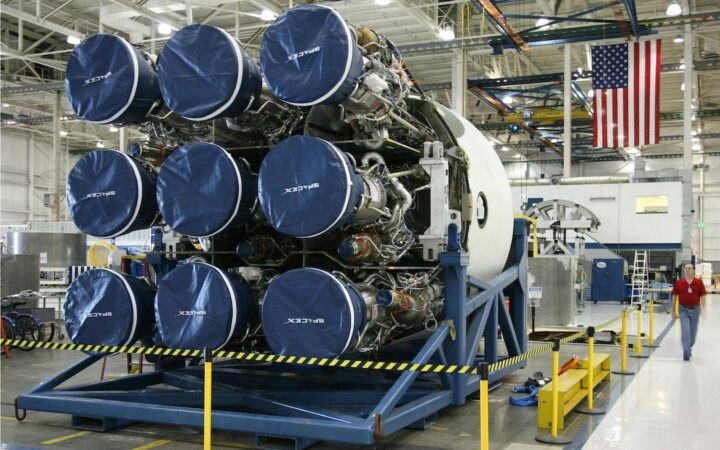
The concept relies heavily on next-generation heavy-lift rockets, including SpaceX’s Starship system, which is still undergoing testing but is expected to dramatically expand payload capacity once operational.
Cowboy Space believes orbital infrastructure could eventually provide advantages in energy generation, cooling efficiency, and scalability compared to traditional terrestrial data centers.
The startup’s proposed systems would function as high-powered computing platforms in orbit, capable of supporting AI training workloads, cloud processing, and advanced simulation tasks.
Space Infrastructure Becomes New AI Frontier
The funding round highlights how the race for artificial intelligence infrastructure is beginning to extend into the aerospace sector.
As demand for computing power continues accelerating, investors are increasingly exploring unconventional approaches to solving energy, cooling, and capacity constraints associated with AI systems.
Analysts note that orbital data centers remain highly experimental and face major technical, regulatory, and economic hurdles. Launch costs, radiation exposure, hardware reliability, and maintenance limitations remain significant challenges.
Still, investor interest in frontier AI infrastructure projects has intensified as companies search for ways to secure long-term computing capacity in an increasingly constrained market.
The first launch for Cowboy Space is currently planned for 2028, though the company’s broader vision depends heavily on advances in reusable heavy-lift launch technology.
The broader takeaway is that AI-driven demand for computing power is becoming large enough to reshape not only semiconductor and cloud industries, but also the future direction of the global space economy.
Wall Street analysts are increasingly optimistic that Amazon could eventually reach a $3 trillion market value as growth in AWS and logistics continues accelerating.
By Sophia Reynolds | Edited by Oleg Petrenko
Published:
Wall Street analysts are growing increasingly bullish that Amazon could eventually achieve a $3 trillion valuation as AWS and logistics growth continues to accelerate. Photo: appshunter.io / Unsplash
Amazon is drawing renewed attention from Wall Street analysts as bullish forecasts suggest the company could eventually reach a $3 trillion market capitalization.
The growing optimism comes as investors continue reassessing Amazon’s long-term growth potential across cloud computing, logistics, advertising, and artificial intelligence infrastructure.
Some analysts believe Amazon shares could climb toward the $500 level over time if current growth trends continue, particularly within Amazon Web Services (AWS), which remains one of the company’s most profitable segments.
AWS and AI Demand Drive Optimism
Amazon’s cloud business has become a major focal point for investors as enterprise spending on artificial intelligence and data infrastructure accelerates globally.
AWS continues benefiting from increased demand for AI training, cloud storage, and large-scale computing services, positioning Amazon among the primary beneficiaries of the ongoing AI investment cycle.
The company has also aggressively expanded its logistics network, improving delivery efficiency and strengthening its competitive position in e-commerce.
At the same time, Amazon’s advertising business has emerged as another major growth engine, generating higher-margin revenue and diversifying the company’s earnings profile beyond retail operations.
Analysts note that Amazon’s broad exposure across cloud infrastructure, AI services, logistics, and digital advertising gives the company multiple pathways for long-term expansion.
Market Positioning and Valuation Debate
The discussion around a potential $3 trillion valuation reflects how heavily markets are rewarding companies tied to artificial intelligence and digital infrastructure.
Amazon is increasingly viewed not just as an e-commerce company, but as a core infrastructure provider within the global AI economy.
Investor sentiment has also been supported by improving profitability trends, cost-cutting initiatives, and stronger operating margins across several business divisions.
However, some strategists caution that large-cap technology valuations have become increasingly elevated as AI-related optimism continues driving equity markets higher.
Despite those concerns, momentum remains firmly concentrated in mega-cap technology stocks, with investors continuing to prioritize companies capable of benefiting from long-term structural technology shifts.
For Amazon, the key question remains whether AWS growth and AI monetization can continue expanding fast enough to justify increasingly ambitious valuation expectations.
The broader takeaway is that the AI-driven rally is reshaping leadership among the world’s largest public companies, with Amazon remaining one of the central beneficiaries of the current technology investment cycle.
Alphabet is rapidly narrowing the gap with Nvidia as both companies approach a combined market value above $10 trillion amid the ongoing AI boom.
By Sophia Reynolds | Edited by Oleg Petrenko
Published:
Alphabet is quickly closing in on Nvidia as the two companies move toward a combined market capitalization exceeding $10 trillion during the continuing AI-driven rally. Photo: Oleg Petrenko / MarketSpeaker
Alphabet is rapidly approaching Nvidia in market capitalization, intensifying the competition to become the world’s most valuable publicly traded company.
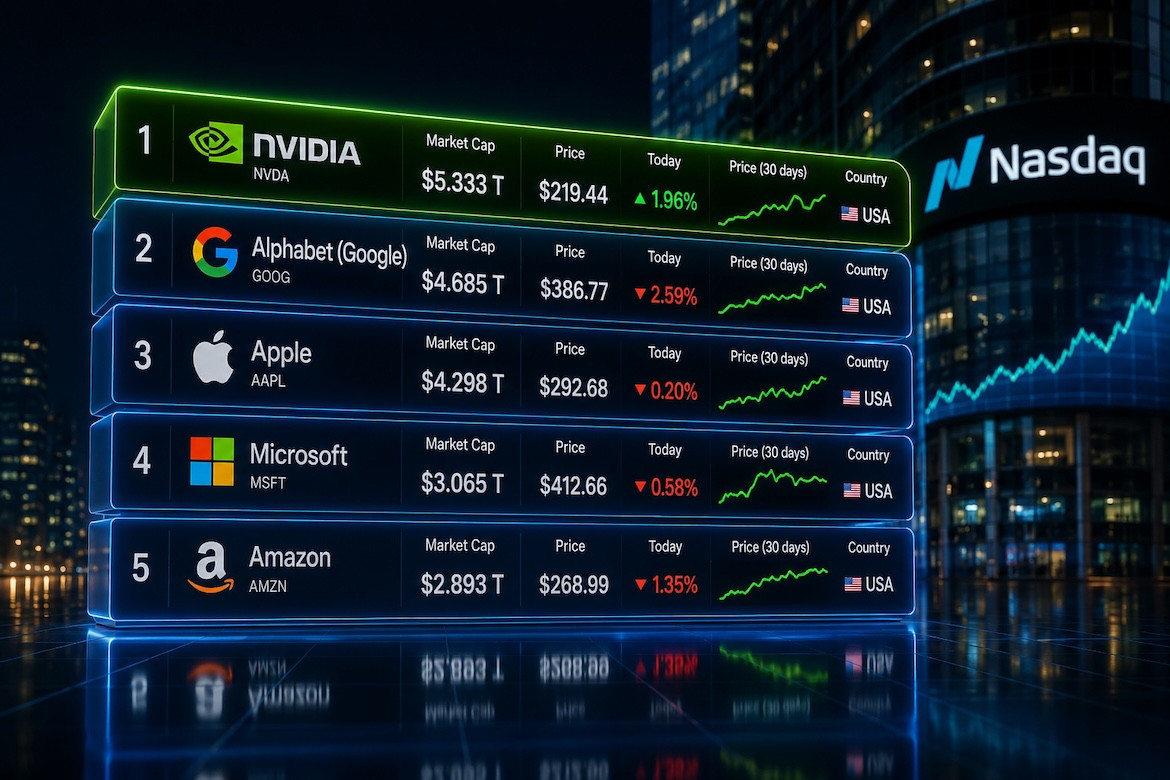
As of early May 2026, Nvidia maintained a narrow lead with a market value near $5.2 trillion, while Alphabet climbed to approximately $4.8 trillion as investors continued pouring capital into AI-related stocks.
The two companies have repeatedly traded positions in recent sessions as markets respond to accelerating artificial intelligence spending and growing investor enthusiasm around cloud infrastructure, semiconductors, and AI software.
AI Boom Reshapes Market Leadership
Alphabet’s surge reflects how artificial intelligence has transformed investor perceptions of the company’s long-term growth potential.
While Nvidia remains the dominant supplier of AI accelerators and data center chips, Alphabet has increasingly benefited from rapid expansion in cloud computing, AI search products, enterprise software, and advanced model development.
The company’s aggressive AI integration across Google Search, YouTube, Android, and cloud services has fueled expectations that Alphabet could become one of the primary monetization leaders of the AI era.
At the same time, Nvidia continues benefiting from extraordinary demand for AI chips as enterprises and governments race to build computing infrastructure.
The rivalry between the two firms underscores how the AI investment cycle is expanding beyond hardware into software ecosystems, cloud services, and large-scale data infrastructure.
Investor Sentiment and Valuation Risks
The race between Nvidia and Alphabet highlights the growing concentration of market gains among a small group of mega-cap technology companies.
Analysts note that both firms are increasingly viewed as foundational pillars of the global AI economy, attracting massive institutional inflows and driving broader index performance.
Alphabet’s recent momentum has also been supported by strong advertising revenue and rising cloud profitability, helping diversify its AI narrative beyond experimental technologies.
Still, some strategists caution that valuations across the AI sector are reaching historically elevated levels. The combined market value of Nvidia and Alphabet now exceeds $10 trillion, reflecting extraordinary investor expectations for future growth.
Despite those concerns, market momentum remains firmly tied to artificial intelligence themes, with investors continuing to prioritize companies seen as leaders in computing power, cloud infrastructure, and AI deployment.
The broader takeaway is that the battle for market leadership is increasingly becoming a contest over who will dominate the next generation of artificial intelligence infrastructure and services.
AI chipmaker Cerebras is expected to debut on Nasdaq on May 14 under the ticker CBRS, positioning itself as an alternative to Nvidia in the AI hardware market.
By Sophia Reynolds | Edited by Oleg Petrenko
Published:
AI chipmaker Cerebras is set to begin trading on Nasdaq on May 14 under the ticker CBRS, positioning the company as a potential alternative to Nvidia in the AI hardware sector. Photo: Oleg Petrenko / MarketSpeaker
Cerebras Systems is preparing to go public on the Nasdaq exchange on May 14 under the ticker symbol CBRS, adding another high-profile listing to the rapidly expanding artificial intelligence sector.
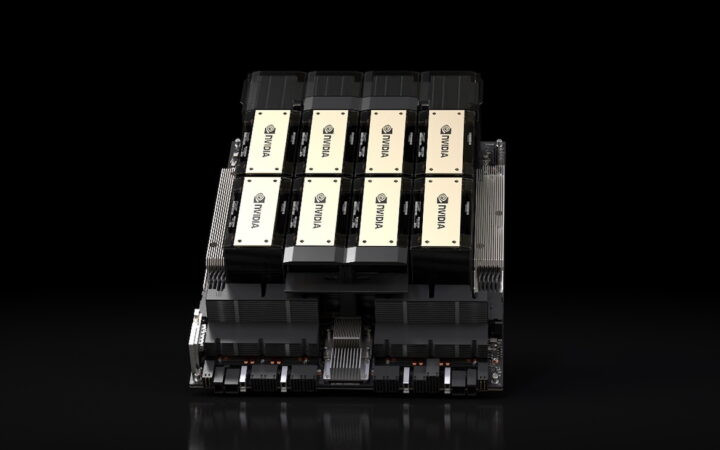
The company has drawn significant attention from investors due to its specialized AI processors, which are increasingly viewed as a potential alternative to chips produced by Nvidia.
Cerebras focuses on large-scale AI computing systems designed for training and deploying advanced artificial intelligence models, an area experiencing explosive growth as enterprises accelerate AI adoption.
AI Infrastructure Demand Drives Investor Interest
The planned IPO comes amid surging demand for AI infrastructure and semiconductor capacity worldwide.
Cerebras has differentiated itself through its wafer-scale architecture, which allows the company to produce exceptionally large processors aimed at handling massive AI workloads more efficiently than traditional chip designs.
As investment in generative AI continues expanding, companies developing specialized hardware have become increasingly attractive to investors seeking exposure to the next phase of the AI boom.
The listing also arrives during a period of intense competition within the semiconductor industry, where firms are racing to challenge Nvidia’s dominant position in AI accelerators and data center chips.
Analysts note that demand for alternative suppliers has increased as cloud providers, governments, and enterprises seek to diversify access to advanced computing hardware.
IPO Reflects Expanding AI Investment Cycle
Cerebras’ public debut underscores how investor enthusiasm around artificial intelligence is broadening beyond established technology giants.
AI-focused IPOs and private funding rounds have accelerated sharply throughout 2026, driven by expectations that spending on chips, cloud infrastructure, and computing power will continue rising for years.
The company’s Nasdaq debut is likely to be closely watched as a gauge of investor appetite for next-generation semiconductor firms.
At the same time, competition in AI hardware remains intense. Nvidia continues to dominate the market, while companies including AMD, Intel, and several startups are aggressively investing in alternative architectures.
Some analysts caution that valuations across AI-related companies have become increasingly aggressive amid speculative enthusiasm surrounding the sector.
Still, strong demand for computing power and continued shortages of advanced AI chips continue supporting bullish sentiment across semiconductor markets.
The broader takeaway is that investors are increasingly searching for emerging winners in the AI infrastructure race, with companies like Cerebras gaining attention as potential challengers to established industry leaders.
Akamai shares jumped 20% after the company reported strong quarterly earnings and announced a $1.8 billion AI infrastructure agreement.
By Emma Clarke | Edited by Oleg Petrenko
Published:
Akamai shares surged 20% after the company posted strong quarterly earnings and unveiled a $1.8 billion AI infrastructure deal. Photo: Kenneth C. Zirkel / Wikimedia
Shares of Akamai Technologies surged nearly 20% after the company reported stronger-than-expected quarterly earnings and revealed a $1.8 billion AI infrastructure agreement.
The cybersecurity and cloud computing firm said its cloud infrastructure division grew 40% year-over-year during the first quarter, reflecting accelerating demand tied to artificial intelligence workloads and enterprise cloud expansion.
Investors reacted positively to the results, viewing the performance as further evidence that AI-related infrastructure spending continues extending beyond semiconductor manufacturers into broader cloud and networking providers.
Cloud and AI Demand Accelerate Growth
Akamai’s strong quarter was driven largely by increased enterprise demand for cloud computing capacity, cybersecurity services, and edge infrastructure capable of supporting AI applications.
As companies deploy larger AI systems, demand for distributed cloud networks and low-latency computing has risen sharply. Akamai has increasingly positioned itself as a key provider of infrastructure supporting these workloads.
The newly announced $1.8 billion agreement is expected to significantly expand the company’s role in AI-related cloud services, though specific customer details were not fully disclosed.
Management also highlighted continued strength in cybersecurity revenue as enterprises increase spending on digital protection amid rising cyber threats and expanding AI adoption.
Analysts note that Akamai’s diversified business model is helping the company benefit from multiple structural technology trends simultaneously, including AI, cloud migration, and enterprise security modernization.
Investor Sentiment Broadens Beyond Chipmakers
The rally in Akamai shares reflects a broader shift in investor focus toward secondary beneficiaries of the AI boom.
While semiconductor firms have dominated much of the market’s gains over the past year, investors are increasingly targeting companies involved in cloud infrastructure, networking, cooling systems, and data center operations.
The earnings report reinforced the idea that AI investment is expanding across the entire technology stack rather than remaining concentrated solely in chip production.
Some analysts caution that expectations across AI-linked stocks remain elevated following substantial gains throughout 2026. However, continued enterprise spending and strong contract growth have so far supported bullish sentiment.
The results also highlight how cloud infrastructure providers are becoming increasingly important in the AI ecosystem as demand for computing power and data processing capacity accelerates globally.
For investors, Akamai’s performance signals that AI-driven growth opportunities may extend well beyond the largest technology companies, creating broader opportunities across infrastructure and cybersecurity markets.
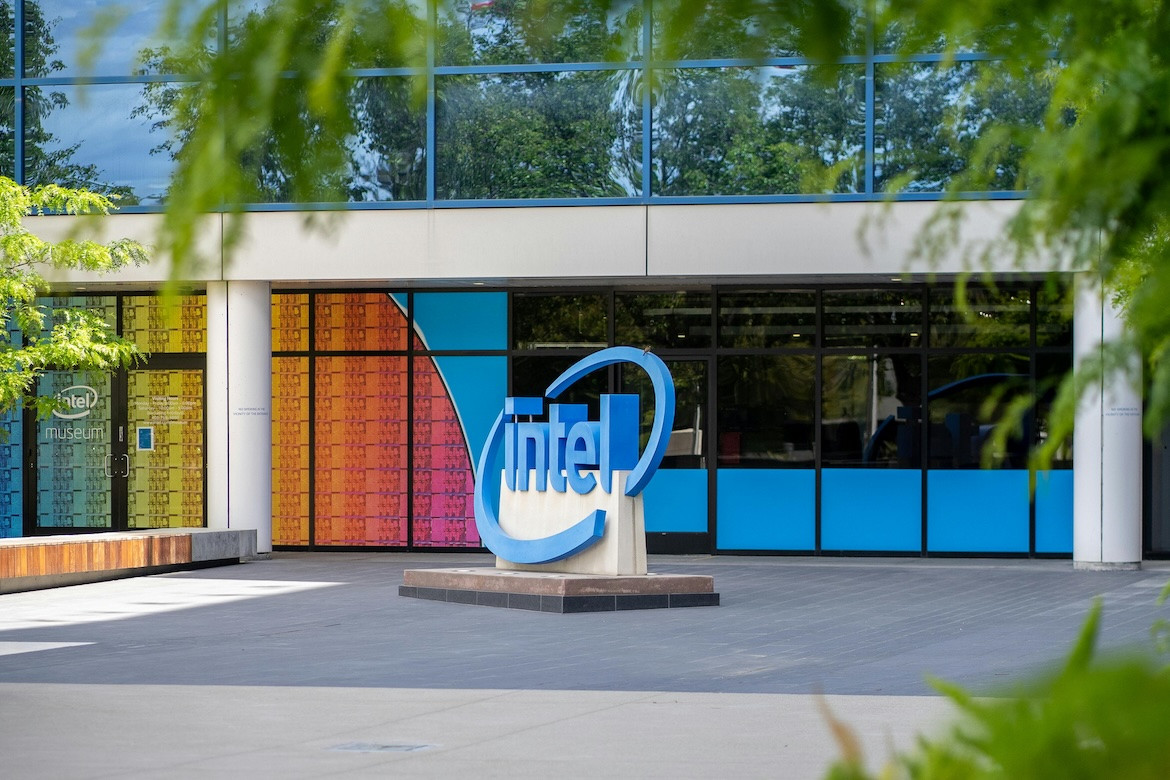
Intel shares surged to a record high after reports that Apple may shift part of its chip manufacturing to Intel, increasing pressure on TSMC.
By Sophia Reynolds | Edited by Oleg Petrenko
Published:
Intel shares climbed to a record high after reports that Apple could move part of its chip production to Intel, adding pressure on TSMC. Photo: Clément Proust / Pexels
Shares of Intel surged to a record high after reports emerged that Apple had reached a preliminary agreement for Intel to manufacture a portion of its chips.
Intel stock jumped more than 14% following the reports, marking one of the company’s strongest trading sessions in years and extending a broader rally tied to artificial intelligence and semiconductor optimism.
The potential partnership would represent a major strategic shift for Apple, which has historically relied heavily on TSMC for advanced chip production.
Foundry Competition Intensifies
The reported agreement highlights growing pressure within the global semiconductor supply chain as major technology companies seek to diversify manufacturing exposure amid geopolitical and capacity concerns.
Apple’s move would provide Intel with a significant validation of its foundry business, a key pillar of CEO Pat Gelsinger’s long-term turnaround strategy.
Intel has invested heavily in expanding domestic manufacturing capabilities in the United States, positioning itself as an alternative to Asian-based chip producers at a time when governments and corporations are prioritizing supply chain resilience.
The development also reflects broader changes in the semiconductor industry, where artificial intelligence demand has dramatically increased the strategic importance of advanced chip manufacturing capacity.
Analysts note that any meaningful Apple partnership could strengthen Intel’s competitive position against TSMC while accelerating revenue growth within its foundry division.
AI Demand Continues Driving Semiconductor Rally
Investor enthusiasm around semiconductor stocks remains elevated as AI infrastructure spending continues expanding globally.
Intel has increasingly benefited from renewed confidence in its manufacturing roadmap and growing expectations that demand for AI-related chips will remain strong for years.
At the same time, concerns are mounting around production bottlenecks and concentrated dependence on a small number of chip manufacturers. Large technology firms are now exploring multiple suppliers to reduce operational risks and secure long-term capacity.
The reported Apple deal also underscores how strategic semiconductor manufacturing has become amid intensifying global competition in artificial intelligence and advanced computing.
Some analysts caution that the partnership remains preliminary and execution risks remain substantial. However, markets reacted positively to the possibility that Intel could emerge as a major foundry player for leading technology companies.
The broader takeaway is that semiconductor manufacturing capacity has become one of the most valuable assets in the AI economy, with investors increasingly rewarding companies positioned at the center of global chip supply chains.
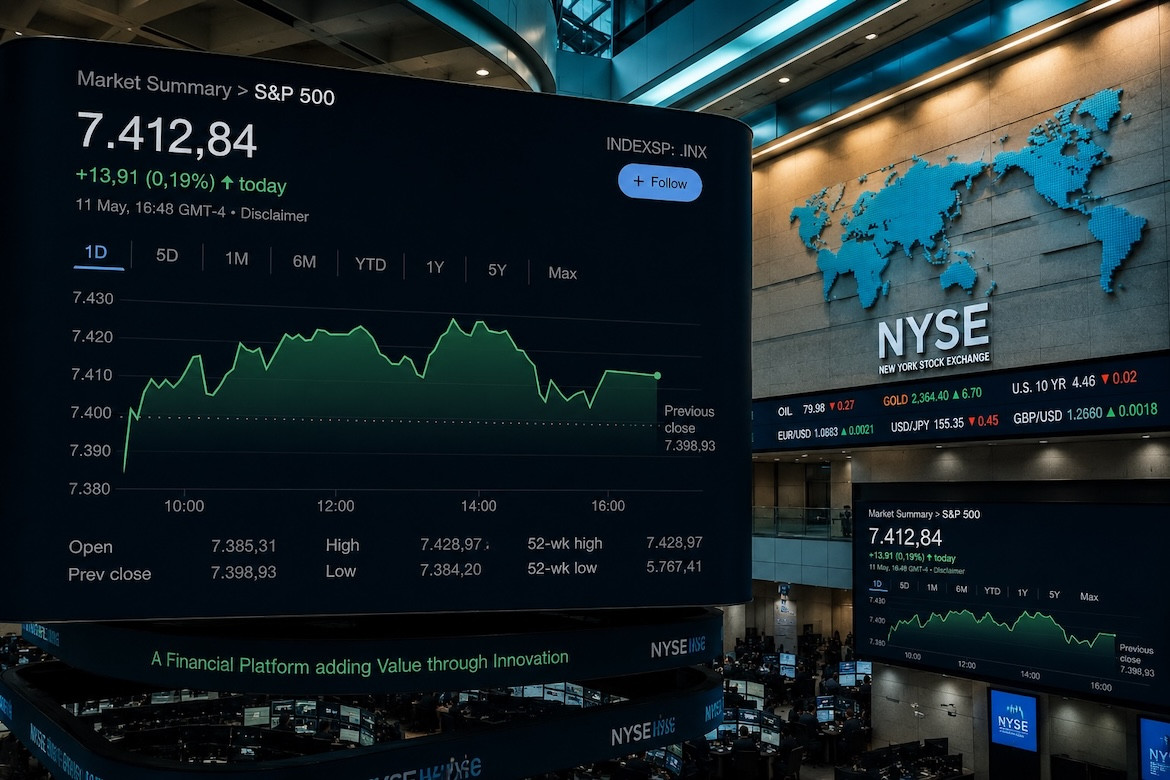
The S&P 500 reached a new all-time high of 7,420 as investor optimism around artificial intelligence and technology stocks continued driving the market higher.
By Sophia Reynolds | Edited by Oleg Petrenko
Published:
Updated:
The S&P 500 climbed to a record high of 7,420 as continued enthusiasm around artificial intelligence and technology shares pushed U.S. equities higher. Photo: Oleg Petrenko / MarketSpeaker
The S&P 500 climbed to a new all-time high of 7,420, extending one of the strongest bull runs in recent years as artificial intelligence enthusiasm continued to fuel investor demand for technology stocks.
The milestone reflects sustained momentum across large-cap equities, particularly semiconductor, cloud computing, and AI infrastructure companies that have dominated market performance throughout 2026.
The latest rally was led by gains in major technology names, with investors continuing to pour capital into companies tied to advanced computing, data centers, and artificial intelligence development.
AI Boom Continues to Drive Market Leadership
Artificial intelligence remains the central force behind the current market rally, with investors increasingly treating AI infrastructure and software as long-term structural growth themes.
Semiconductor companies, cloud providers, and AI startups have attracted record capital inflows as enterprises accelerate spending on computing power and automation technologies.
The rally has also been supported by resilient corporate earnings and continued economic stability despite elevated geopolitical tensions and energy market volatility.
Analysts note that strong liquidity conditions and aggressive investment in AI infrastructure have helped offset concerns around inflation and interest rates.
At the same time, retail participation in equities has continued to expand, adding further momentum to the market’s upward trajectory.
Investor Sentiment and Valuation Concerns
While investor sentiment remains strongly bullish, some strategists caution that valuations across major technology stocks are becoming increasingly stretched.
The rapid appreciation in AI-related assets has prompted comparisons to previous speculative cycles, including the late-stage dot-com rally of the late 1990s.
Still, bullish investors argue that the current AI cycle is supported by real revenue growth, infrastructure spending, and enterprise demand rather than purely speculative enthusiasm.
The record move higher in the S&P 500 also highlights how concentrated market leadership has become, with a relatively small group of mega-cap technology companies driving a significant portion of index gains.
For now, momentum remains firmly intact as investors continue prioritizing growth-oriented sectors tied to artificial intelligence and digital infrastructure.
The broader takeaway is that AI-driven optimism continues reshaping global capital markets, pushing major U.S. equity benchmarks to historic highs despite rising concerns over valuations and market concentration.
Traders are increasingly positioning around the so-called ‘NACHO’ trade, betting disruptions in the Strait of Hormuz and elevated oil prices will persist longer than markets expect.
By Nathan Cole | Edited by Oleg Petrenko
Published:
Updated:
Traders are increasingly embracing the so-called 'NACHO' trade, wagering that disruptions in the Strait of Hormuz and high oil prices will last longer than investors previously anticipated. Photo: Keyur Tandel / Unsplash
A new Wall Street acronym is gaining traction among traders as geopolitical tensions continue to disrupt global energy markets. The trade, known as “NACHO” – short for “Not A Chance Hormuz Opens” – reflects growing investor expectations that disruptions in the Strait of Hormuz could persist far longer than initially anticipated.
The strategy has emerged as oil prices remain elevated amid ongoing tensions involving Iran and the broader Middle East. Traders betting on the NACHO theme are positioning for prolonged supply constraints, higher inflation, and sustained volatility across commodity and bond markets.
The phrase follows the earlier “TACO” trade “Trump Always Chickens Out” but signals a far more pessimistic outlook for global energy markets and geopolitical stability.
Oil Markets Reprice Geopolitical Risk
The Strait of Hormuz remains one of the world’s most critical energy chokepoints, handling roughly 20% of global oil and liquefied natural gas shipments. Continued disruptions have already pushed crude prices sharply higher and increased concerns about global inflationary pressure.
Analysts say the NACHO trade reflects a shift in market psychology. Earlier expectations that diplomatic negotiations would quickly restore shipping flows have faded, leading investors to price in a more prolonged supply shock.
Brent crude recently traded above $100 per barrel, while Treasury yields and inflation expectations have also moved higher as markets reassess the likelihood of near-term Federal Reserve rate cuts.
At the same time, equities have remained surprisingly resilient, supported by strong corporate earnings and continued enthusiasm surrounding artificial intelligence investments. Semiconductor and technology stocks continue to attract capital despite rising energy prices and geopolitical uncertainty.
Implications for Investors and Global Markets
The emergence of the NACHO trade highlights how geopolitical risks are increasingly shaping cross-asset investment strategies. Investors are now balancing expectations for AI-driven economic growth against fears of sustained inflation and supply disruptions.
Energy producers, commodity-linked equities, and inflation hedges have benefited from the shift in sentiment, while bond markets have faced renewed pressure as traders scale back expectations for aggressive monetary easing.
Some analysts argue that markets may still be underestimating the economic consequences of a prolonged disruption in Hormuz. Higher energy costs could eventually pressure consumer spending, corporate margins, and global growth forecasts.
Others note that financial markets have so far shown remarkable resilience, with strong labor market data and continued AI-related investment helping offset concerns around oil prices and geopolitical instability.
The broader takeaway is that geopolitical tensions are once again becoming a central market driver, with traders increasingly treating energy supply disruptions as a long-term structural risk rather than a temporary shock.
Sony projected double-digit profit growth even as PlayStation 5 hardware sales slowed, supported by strong performance in image sensors and music.
By Emma Clarke | Edited by Oleg Petrenko
Published:
Updated:
Sony forecast double-digit profit growth despite slowing PlayStation 5 hardware sales, backed by strong results in its image sensor and music businesses. Photo: Shahin Mren / Pexels
Sony projected double-digit profit growth for the coming fiscal year despite softer PlayStation 5 hardware sales and ongoing pressure from rising memory prices.
The company reported that weaker console demand weighed on fourth-quarter gaming revenue, reflecting a broader normalization in the gaming market following years of elevated consumer spending.
However, strong results from Sony’s image sensing semiconductor division and music business helped offset the slowdown, supporting overall earnings performance and investor sentiment.
Semiconductors and Entertainment Support Earnings
Sony’s image sensor business remained a major growth driver as demand for smartphone cameras, automotive technology, and AI-related imaging systems continued to expand.
The company has increasingly benefited from its leadership position in advanced image sensors, supplying key components to major smartphone manufacturers and technology firms.
At the same time, Sony’s music division delivered solid growth through streaming revenue, licensing, and live entertainment activities, reinforcing the company’s diversified business model.
The gaming segment, while still profitable, faced pressure from slowing PlayStation 5 unit sales as the console cycle matures. Rising memory component costs also affected hardware margins, adding further pressure to profitability within the division.
Management nevertheless maintained an optimistic outlook, forecasting double-digit operating profit growth driven by higher-margin businesses and continued demand for semiconductors and entertainment content.
Investor Focus Shifts Beyond PlayStation
The results highlight how Sony has evolved beyond its traditional reliance on gaming hardware. Investors are increasingly valuing the company for its diversified exposure to semiconductors, media, entertainment, and AI-related technologies.
Sony shares remained resilient following the earnings release as markets focused on the company’s ability to offset cyclical weakness in gaming through strength in other divisions.
Analysts note that image sensors are becoming strategically important as artificial intelligence, robotics, and autonomous systems require increasingly advanced visual processing technologies.
At the same time, the slowdown in PlayStation hardware sales reflects broader shifts in the gaming industry, where recurring software revenue and subscription ecosystems are becoming more important than console unit growth alone.
Sony’s guidance suggests management remains confident that its diversified portfolio can continue generating stable earnings growth even as individual segments face cyclical fluctuations.
The broader takeaway for investors is that large technology and entertainment companies with multiple revenue streams may be better positioned to navigate volatility in consumer electronics demand.
Anthropic is reportedly preparing a $50 billion fundraising round at a $900 billion valuation, potentially surpassing OpenAI in private market value.
By Michael Foster | Edited by Oleg Petrenko
Published:
Updated:
Anthropic is reportedly planning a $50 billion funding round that would value the company at $900 billion, potentially overtaking OpenAI in private market valuation. Photo: Oleg Petrenko / MarketSpeaker
Anthropic is reportedly preparing to raise approximately $50 billion in a new funding round that could value the artificial intelligence startup at around $900 billion, further intensifying the race among leading AI companies.
If completed, the financing would place Anthropic ahead of OpenAI’s reported private market valuation of roughly $852 billion, reinforcing investor enthusiasm surrounding advanced AI developers.
The fundraising round is expected to launch later this summer, with interest reportedly coming from major investment firms including Dragoneer, General Catalyst, and Lightspeed.
Investor Demand for AI Firms Continues to Accelerate
Anthropic’s rapid rise reflects the extraordinary pace of capital flowing into the artificial intelligence sector. The company’s valuation has more than doubled since February, when it was reportedly valued at approximately $380 billion.
The startup’s financial growth has also accelerated sharply. Revenue is said to be approaching $45 billion annually, representing roughly fivefold growth over the past year as enterprise adoption of AI systems expands globally.
As previously covered, investors are increasingly prioritizing companies tied to generative AI, cloud infrastructure, and advanced computing as the sector becomes the dominant theme across global technology markets.
Anthropic has emerged as one of the strongest competitors in large language models and enterprise AI services, benefiting from growing demand for AI-powered automation and computing infrastructure.
The company’s rapid expansion also reflects broader market expectations that AI adoption will continue reshaping industries ranging from finance and healthcare to software and manufacturing.
IPO Speculation and Market Implications
The scale of the planned financing has fueled speculation that Anthropic could pursue an initial public offering before the end of the year.
A potential IPO would likely become one of the largest technology listings in history and could significantly reshape investor exposure to the AI sector.
Analysts note that current valuations reflect expectations for massive long-term growth rather than traditional earnings metrics. While bullish investors view AI as a transformational technology cycle, others warn that competition and infrastructure costs remain substantial risks.
Still, enthusiasm around AI-related assets remains exceptionally strong. Institutional investors continue competing aggressively for exposure to leading private AI firms before they enter public markets.
The broader takeaway is that artificial intelligence has become the central force driving venture capital activity, private market valuations, and technology investment trends in 2026.