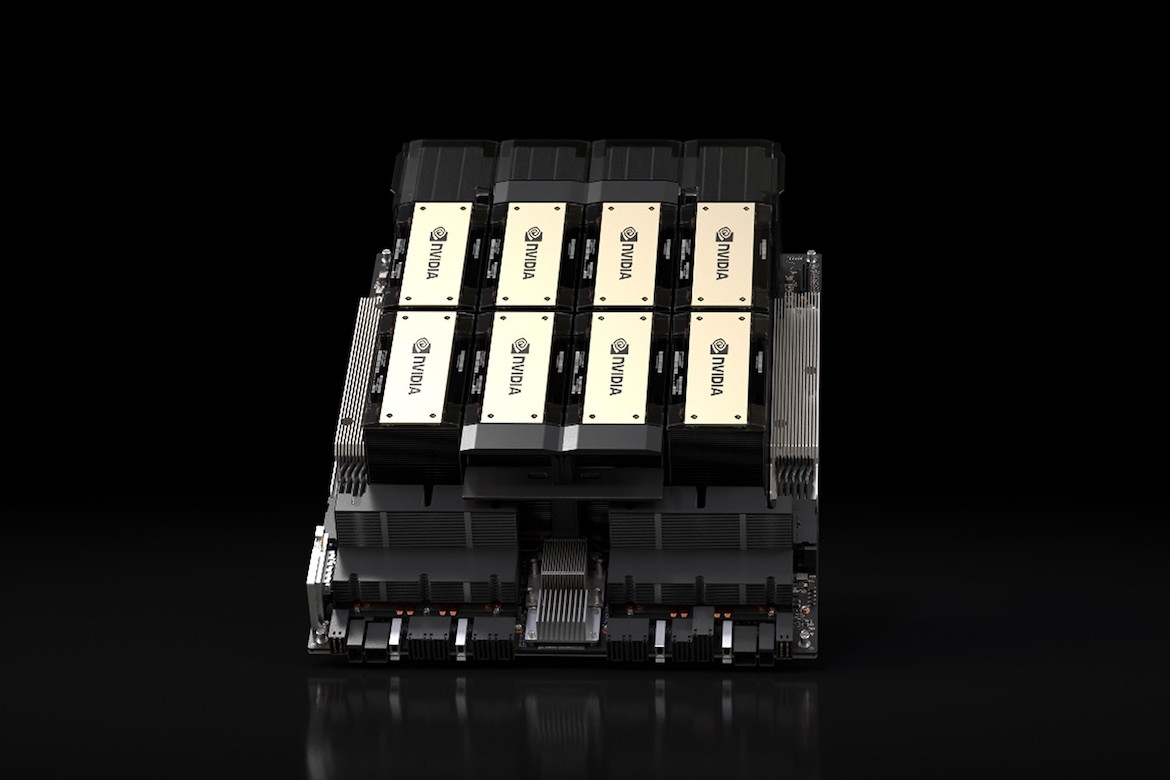
Nvidia received approval from U.S. authorities to sell H200 artificial intelligence chips to several major Chinese technology firms, marking a significant development in the ongoing semiconductor rivalry between Washington and Beijing.
According to reports, companies including Alibaba, Tencent, and ByteDance could each gain access to as many as 75,000 H200 accelerators under the new framework.
However, despite the approvals, actual deliveries remain highly uncertain as China continues intensifying efforts to reduce reliance on American semiconductor technology.
China Pushes Domestic AI Alternatives
Beijing has increasingly promoted domestic AI and semiconductor ecosystems in response to export controls and rising geopolitical tensions with the United States.
Chinese technology firms are now under pressure to adopt local hardware solutions, including products developed by Huawei and other domestic semiconductor suppliers.
Analysts note that while the H200 approvals may temporarily ease supply constraints for Chinese AI developers, long-term market dynamics remain heavily influenced by strategic competition between the two countries.
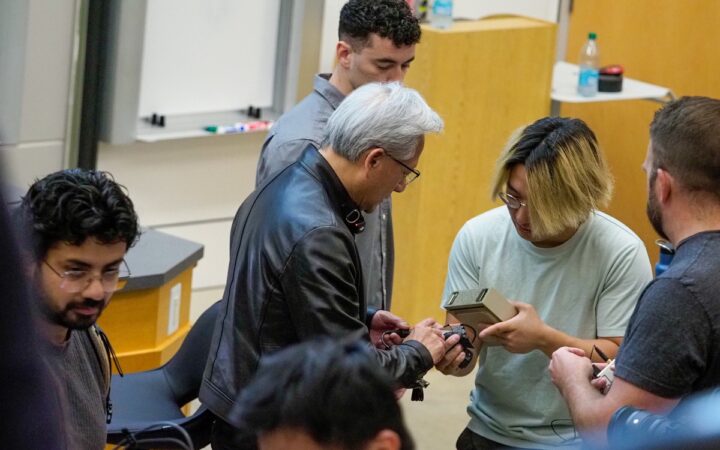
The developments come as Nvidia CEO Jensen Huang traveled to Beijing in an apparent effort to stabilize relationships with Chinese customers and preserve Nvidia’s position within one of the world’s largest AI markets.
China remains a critical revenue source for Nvidia despite ongoing export restrictions affecting advanced semiconductors and AI infrastructure.
AI and Semiconductor Tensions Remain Central
The approval highlights the increasingly delicate balance U.S. policymakers are attempting to maintain between national security concerns and commercial interests.
Washington has continued tightening restrictions on advanced AI chips while simultaneously allowing certain lower-tier products and controlled exports to proceed under regulatory oversight.
For Nvidia, preserving access to China remains strategically important as global demand for AI accelerators continues expanding rapidly.
Investors are closely watching how export policy may evolve, particularly as semiconductors become increasingly central to global economic competition and artificial intelligence development.
At the same time, China’s push toward technological self-sufficiency continues accelerating investment into domestic chip manufacturing and AI infrastructure.
The broader takeaway is that semiconductors have become one of the most strategically important industries in the world, sitting at the center of the growing geopolitical and technological competition between the United States and China.