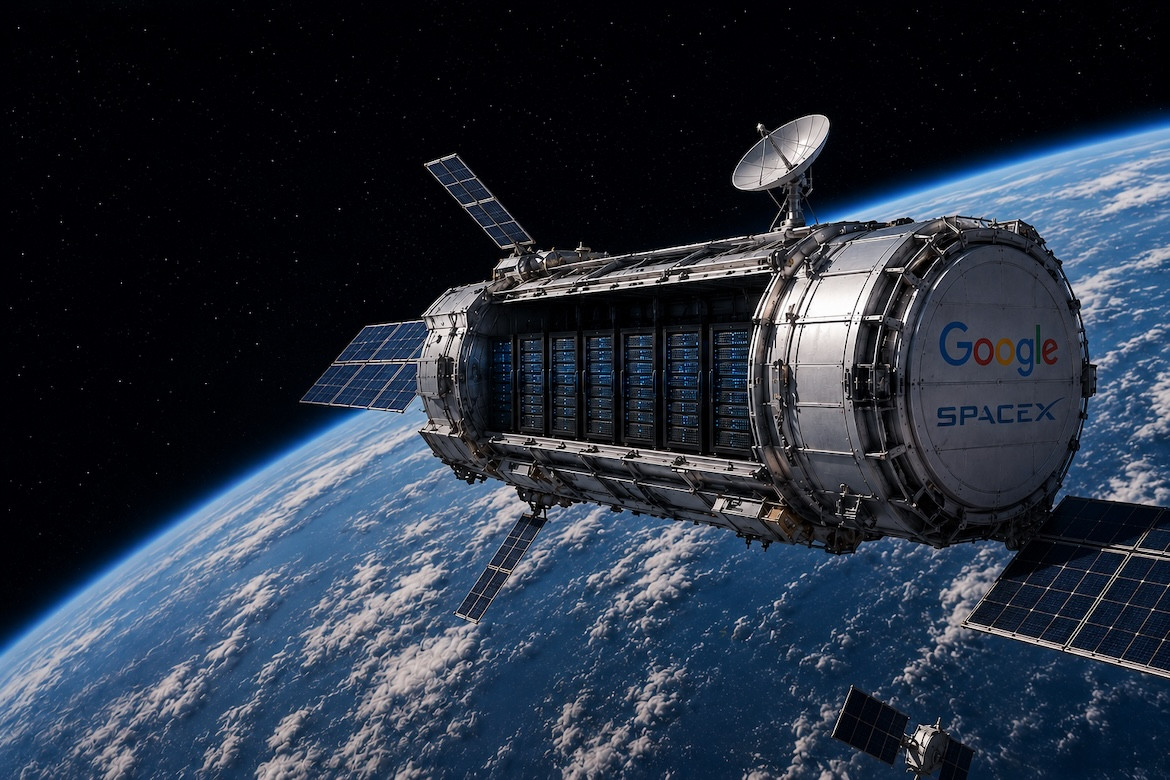
Google is reportedly exploring plans to deploy data centers directly into Earth’s orbit and has entered discussions with SpaceX regarding potential rocket launches for the project.
According to reports, Google is seeking launch and infrastructure partners capable of supporting orbital computing systems as demand for artificial intelligence processing power continues accelerating worldwide.
The company is also said to be in discussions with additional aerospace firms as it evaluates the feasibility of building space-based infrastructure for cloud computing and AI services.
AI Compute Demand Pushes Beyond Earth
The discussions reflect the growing strain on terrestrial data center infrastructure as AI systems require increasing amounts of energy, cooling, and computing power.
Technology companies are now exploring alternative approaches to scaling AI infrastructure, including orbital computing systems that could potentially offer advantages in power generation, cooling efficiency, and physical expansion capacity.
The concept of space-based data centers has gained momentum as artificial intelligence workloads continue rising exponentially across cloud computing platforms and enterprise systems.
Analysts note that orbiting data centers could theoretically reduce some of the limitations associated with traditional Earth-based facilities, including land availability, energy constraints, and thermal management challenges.
The reported talks also underscore how the space industry is becoming increasingly tied to the future growth of artificial intelligence infrastructure.
Orbital Infrastructure Emerges as New Technology Frontier
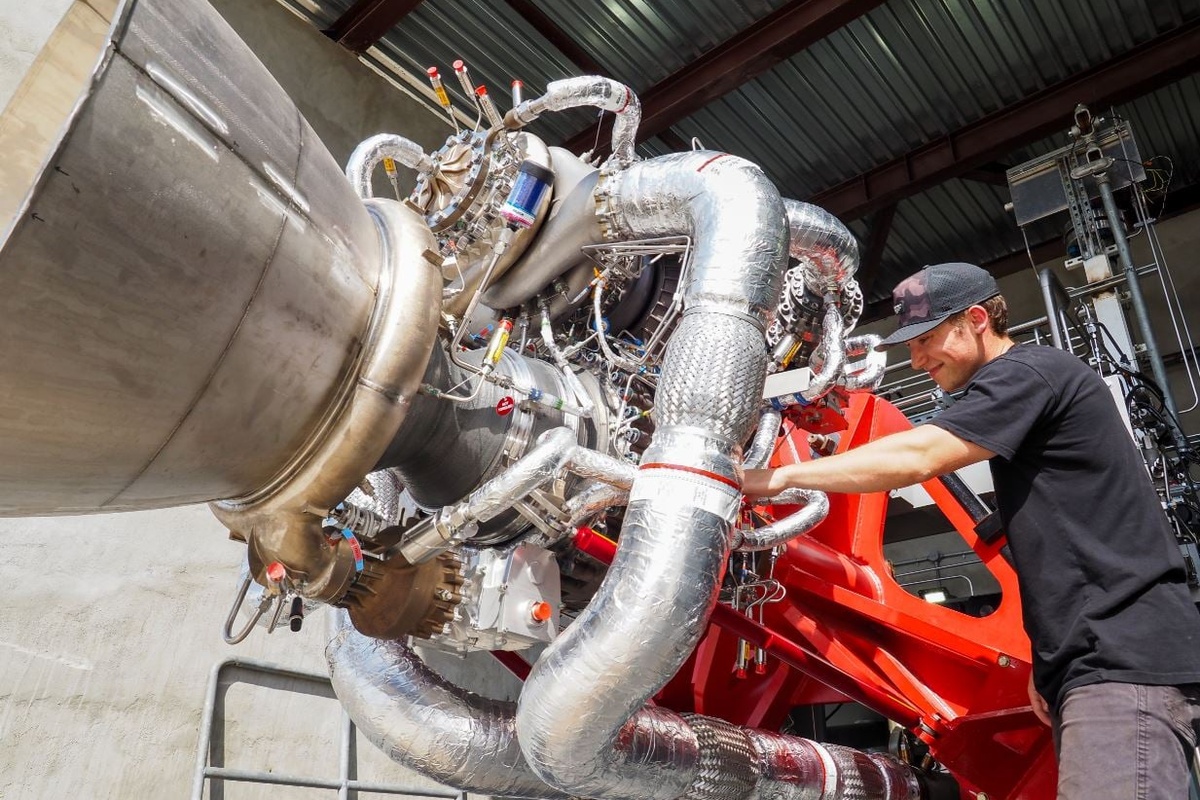
For SpaceX, the project could represent another major commercial opportunity for its heavy-lift launch systems, particularly Starship, which is designed to transport significantly larger payloads into orbit.
The move also highlights how major technology firms are increasingly investing directly into physical infrastructure rather than relying solely on software and cloud services.
While orbital data centers remain highly experimental, investor interest in space-based computing has intensified as AI demand pushes existing infrastructure closer to capacity limits.
Some experts caution that significant technical and economic challenges remain, including radiation exposure, hardware maintenance, launch costs, and long-term operational reliability.
Still, markets continue rewarding companies positioned around AI infrastructure expansion, with investors increasingly viewing compute power as one of the world’s most valuable strategic resources.
The broader takeaway is that the race to secure AI computing capacity is beginning to reshape not only the semiconductor and cloud industries, but also the future direction of commercial space development.