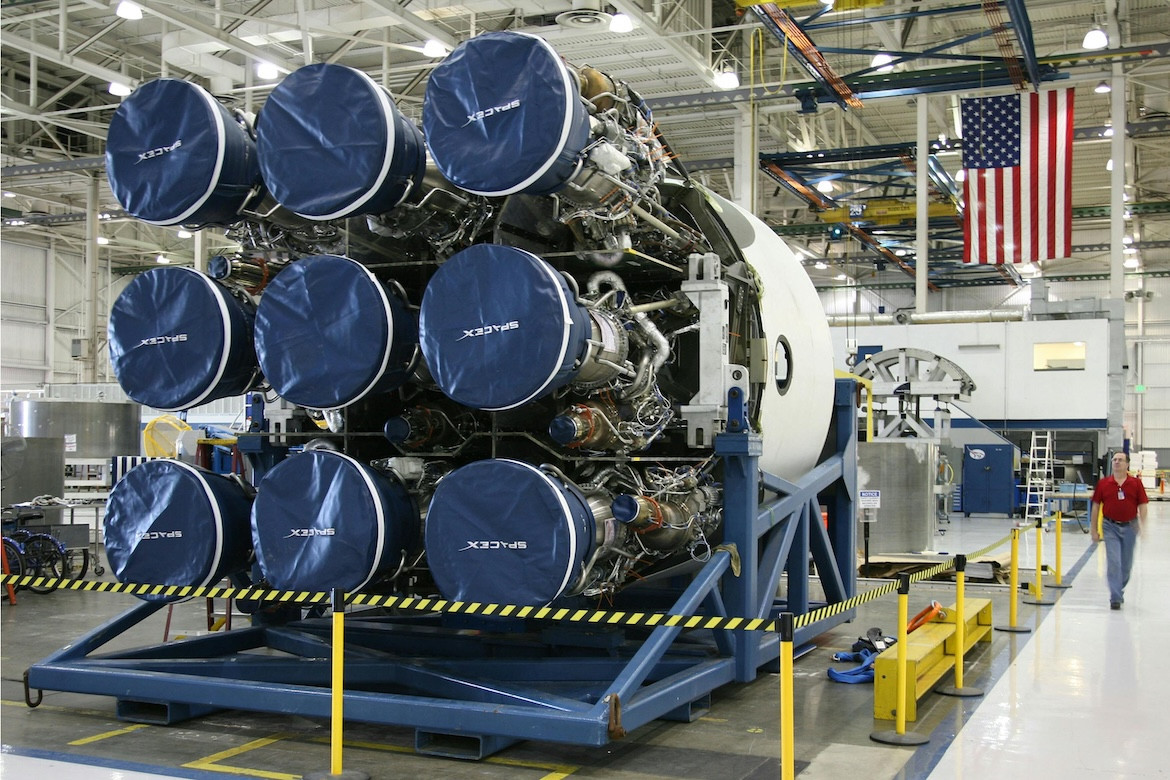
SpaceX unveiled Starship V3, the latest generation of its heavy-lift rocket system, introducing major upgrades to engines, structural design, and launch infrastructure as the company continues pushing toward large-scale space transportation.
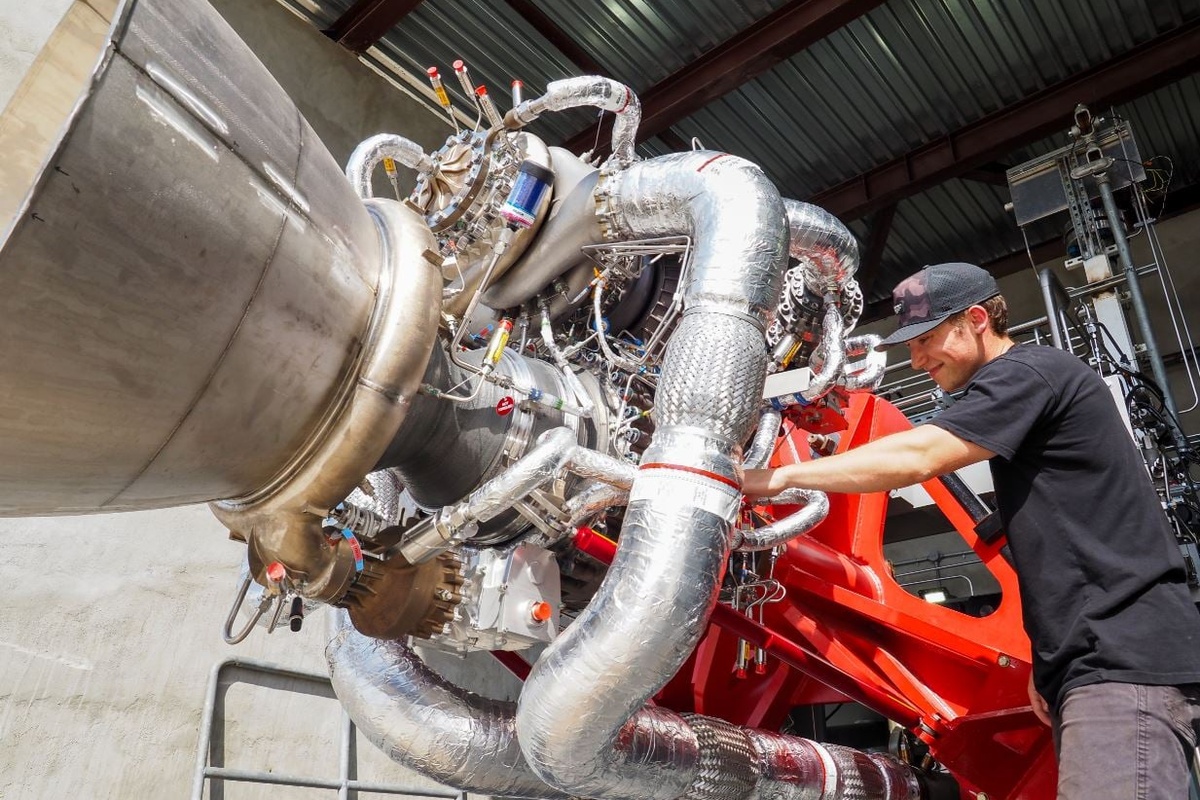
The updated platform features next-generation Raptor 3 engines, a redesigned vehicle structure, and an overhauled launch complex intended to improve reliability, payload efficiency, and operational cadence.
The announcement comes as SpaceX remains central to the rapidly expanding commercial space and satellite economy, while also positioning Starship as a critical component for future lunar missions, Mars ambitions, and orbital infrastructure deployment.
Starship V3 Expands SpaceX Ambitions
SpaceX described Starship V3 as a significant engineering evolution compared with previous versions of the launch system.
The new Raptor 3 engines are expected to provide greater thrust efficiency and lower maintenance requirements, helping improve reusability — one of the company’s core long-term cost reduction strategies.
The upgraded design also supports larger payload capacity, an increasingly important factor as demand grows for satellite launches, AI-related orbital infrastructure, and deep-space missions.
Analysts note that Starship’s future commercial potential extends beyond traditional aerospace applications, especially as companies begin exploring orbital data centers and space-based computing infrastructure tied to artificial intelligence growth.
The launch system is also expected to play a major role in NASA programs and future commercial partnerships involving lunar and interplanetary transportation.
Pre-IPO Valuation Pulls Back
Despite the technological announcement, SpaceX-related pre-IPO pricing on Hyperliquid reportedly declined around 7% over the past 24 hours.
The decline may reflect broader volatility across highly valued private technology companies as investors reassess risk after months of aggressive AI-driven market rallies.
Some traders also pointed to concerns around development costs, execution timelines, and the substantial capital expenditures required to scale Starship operations globally.
Still, investor sentiment surrounding SpaceX remains broadly positive due to the company’s dominant position in launch services, satellite internet, and reusable rocket technology.
The unveiling of Starship V3 reinforces SpaceX’s strategy of aggressively expanding technological capabilities while preparing for future growth in both terrestrial and orbital infrastructure markets.
The broader takeaway is that space infrastructure is increasingly intersecting with artificial intelligence, cloud computing, and global communications, turning aerospace platforms into critical components of the next technology cycle.