A new Wall Street acronym is gaining traction among traders as geopolitical tensions continue to disrupt global energy markets. The trade, known as “NACHO” – short for “Not A Chance Hormuz Opens” – reflects growing investor expectations that disruptions in the Strait of Hormuz could persist far longer than initially anticipated.
The strategy has emerged as oil prices remain elevated amid ongoing tensions involving Iran and the broader Middle East. Traders betting on the NACHO theme are positioning for prolonged supply constraints, higher inflation, and sustained volatility across commodity and bond markets.
The phrase follows the earlier “TACO” trade “Trump Always Chickens Out” but signals a far more pessimistic outlook for global energy markets and geopolitical stability.
Oil Markets Reprice Geopolitical Risk
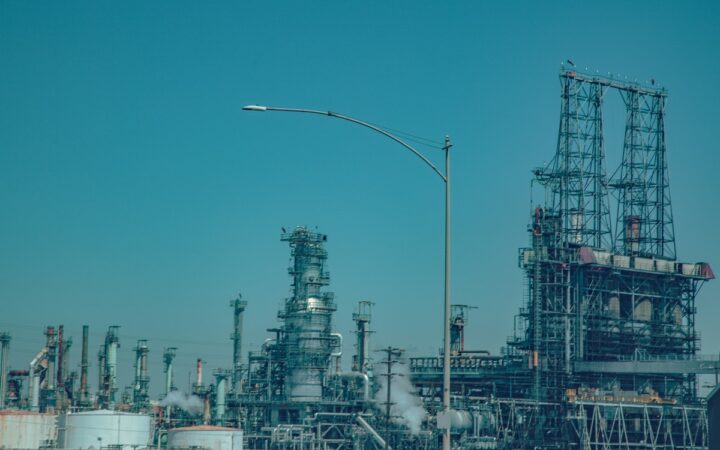
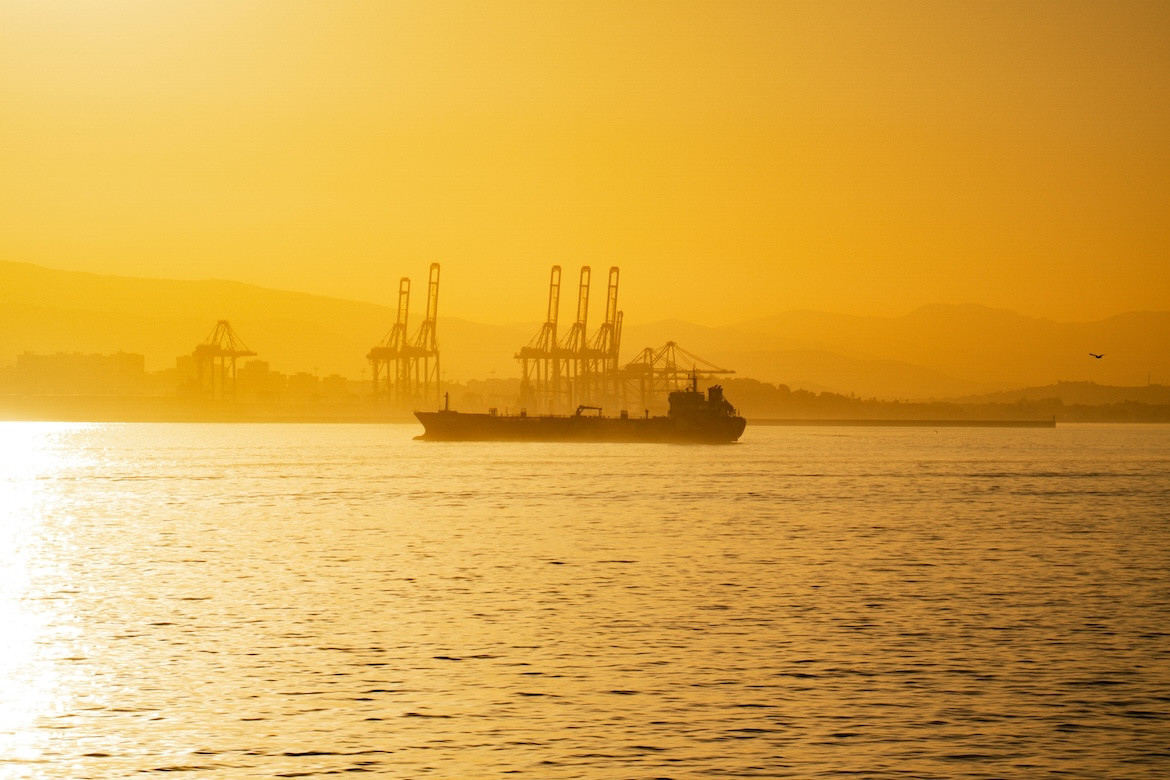
The Strait of Hormuz remains one of the world’s most critical energy chokepoints, handling roughly 20% of global oil and liquefied natural gas shipments. Continued disruptions have already pushed crude prices sharply higher and increased concerns about global inflationary pressure.
Analysts say the NACHO trade reflects a shift in market psychology. Earlier expectations that diplomatic negotiations would quickly restore shipping flows have faded, leading investors to price in a more prolonged supply shock.
Brent crude recently traded above $100 per barrel, while Treasury yields and inflation expectations have also moved higher as markets reassess the likelihood of near-term Federal Reserve rate cuts.
At the same time, equities have remained surprisingly resilient, supported by strong corporate earnings and continued enthusiasm surrounding artificial intelligence investments. Semiconductor and technology stocks continue to attract capital despite rising energy prices and geopolitical uncertainty.
Implications for Investors and Global Markets
The emergence of the NACHO trade highlights how geopolitical risks are increasingly shaping cross-asset investment strategies. Investors are now balancing expectations for AI-driven economic growth against fears of sustained inflation and supply disruptions.
Energy producers, commodity-linked equities, and inflation hedges have benefited from the shift in sentiment, while bond markets have faced renewed pressure as traders scale back expectations for aggressive monetary easing.
Some analysts argue that markets may still be underestimating the economic consequences of a prolonged disruption in Hormuz. Higher energy costs could eventually pressure consumer spending, corporate margins, and global growth forecasts.
Others note that financial markets have so far shown remarkable resilience, with strong labor market data and continued AI-related investment helping offset concerns around oil prices and geopolitical instability.
The broader takeaway is that geopolitical tensions are once again becoming a central market driver, with traders increasingly treating energy supply disruptions as a long-term structural risk rather than a temporary shock.