Gold Falls Below $4,000 as Oil Fuels Fed Rate Concerns
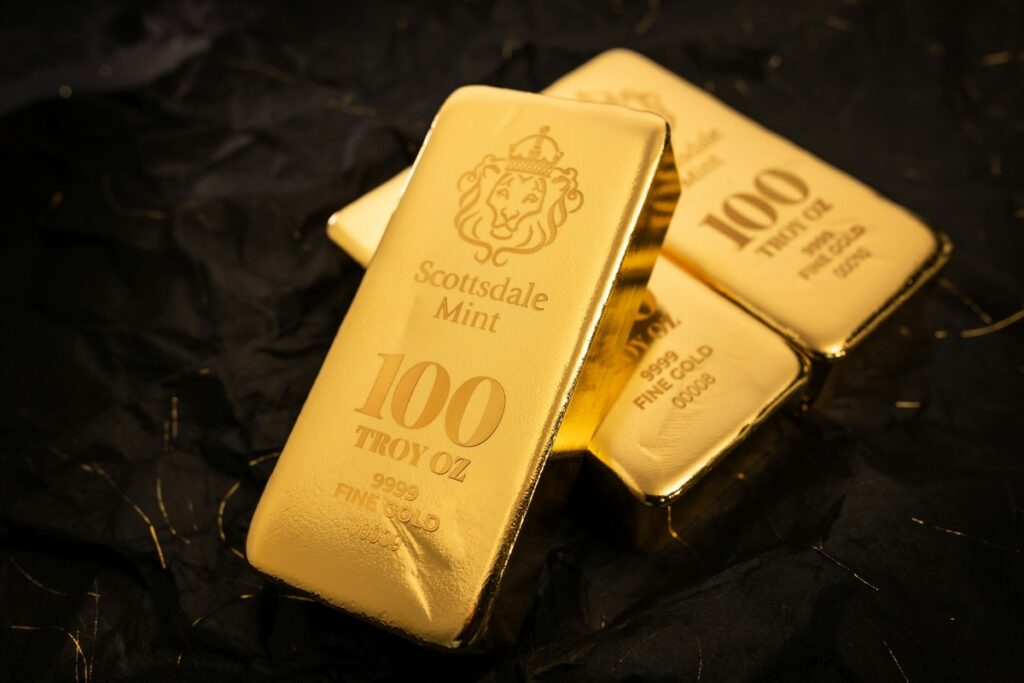
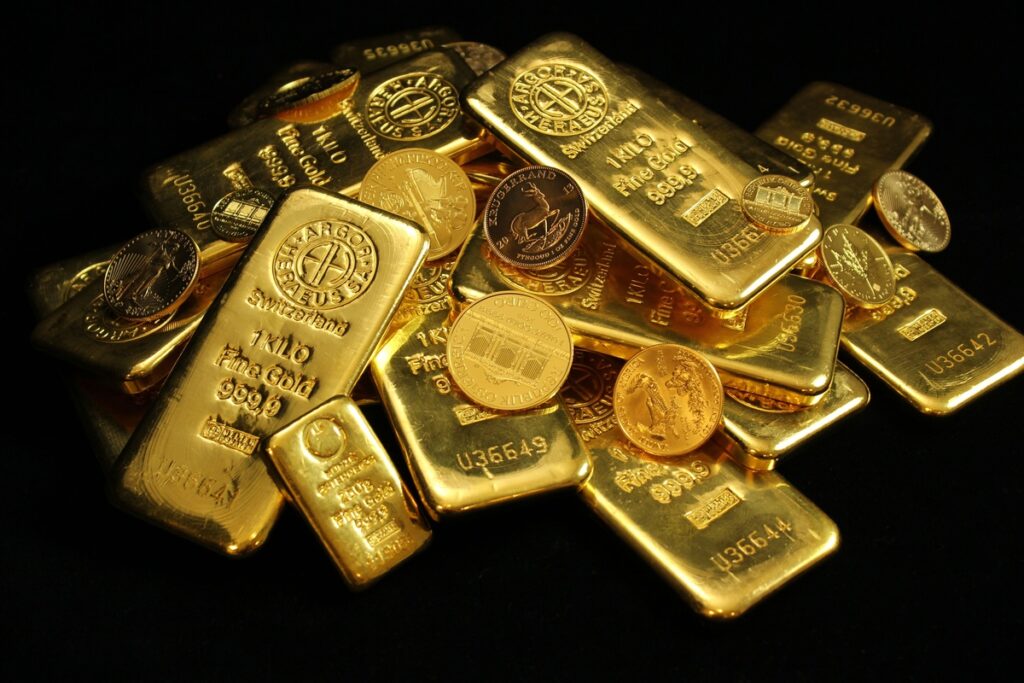
Gold touched $3,986.50 before recovering above $4,000 as oil-driven inflation fears and Fed rate expectations kept bullion under pressure.
Track price movements and market trends across the world’s key commodities. This section covers metals like gold, silver and platinum, energy such as oil and gas, agricultural products including corn, wheat and cocoa, plus rare commodities like uranium and lithium. We offer timely updates and analysis to help readers understand supply and demand shifts, geopolitical influences and investment opportunities in commodity markets.
Gold touched $3,986.50 before recovering above $4,000 as oil-driven inflation fears and Fed rate expectations kept bullion under pressure.
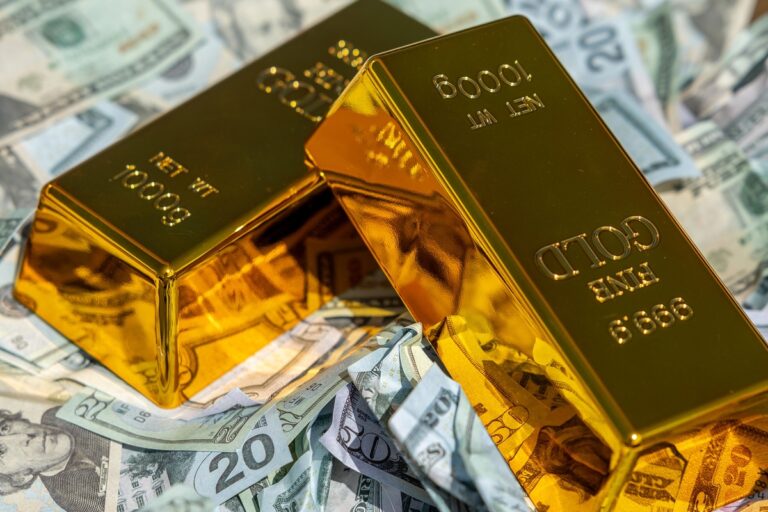
A WGC-BCG study sees digital gold growing to $160–170 billion by 2031, with up to $700 billion in additional demand held back by adoption barriers.

Fred Ehrsam is backing Primavera with his own money as the startup prepares to operate Venezuelan oil fields, Bloomberg reports, bringing crypto wealth into crude production.
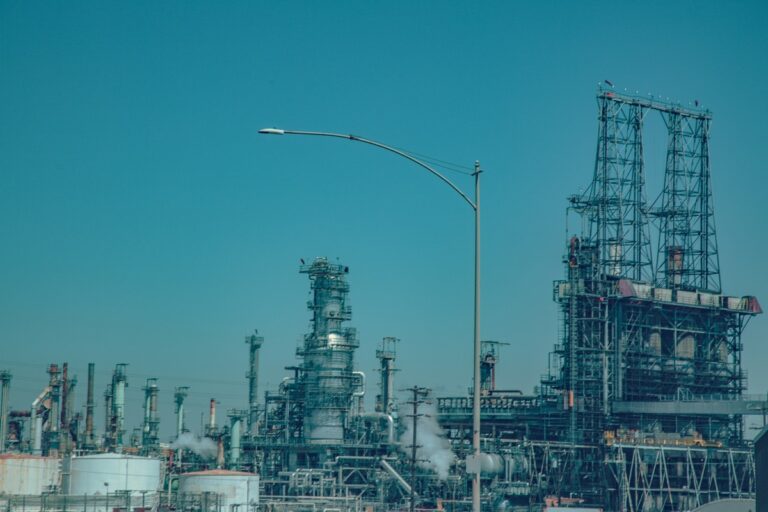
Brent trades near $102.48 a barrel as Aramco CEO Amin Nasser warns that depleted oil stockpiles could take two years to rebuild after Hormuz fully reopens.
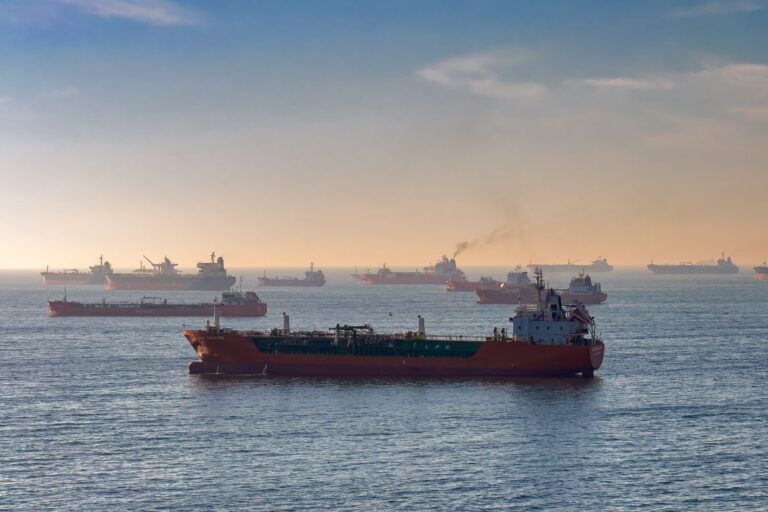
Brent crude surged above $100 a barrel as escalating U.S.-Iran attacks on oil tankers near the Strait of Hormuz intensified fears of a deeper disruption to...
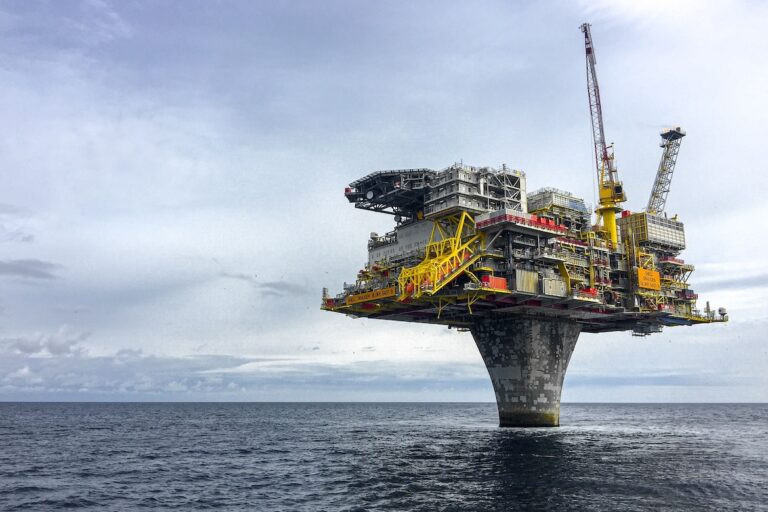
The United States has become the world’s largest oil exporter, surpassing Saudi Arabia and Russia as record crude and fuel shipments reshape global energy markets.
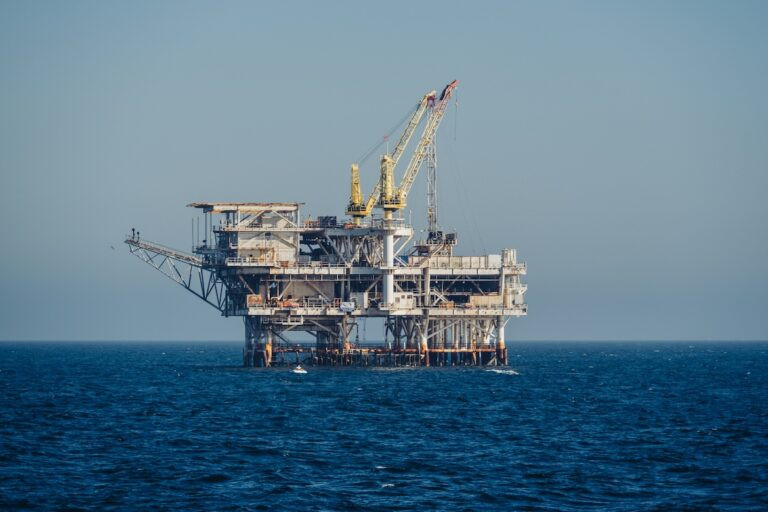
Oil prices plunged nearly 10% in a single day as easing geopolitical tensions and expectations of a potential Iran agreement triggered a sharp commodity selloff.

Ryanair said it has contingency plans for an 'armageddon scenario' as soaring jet fuel costs threaten weaker European airlines.
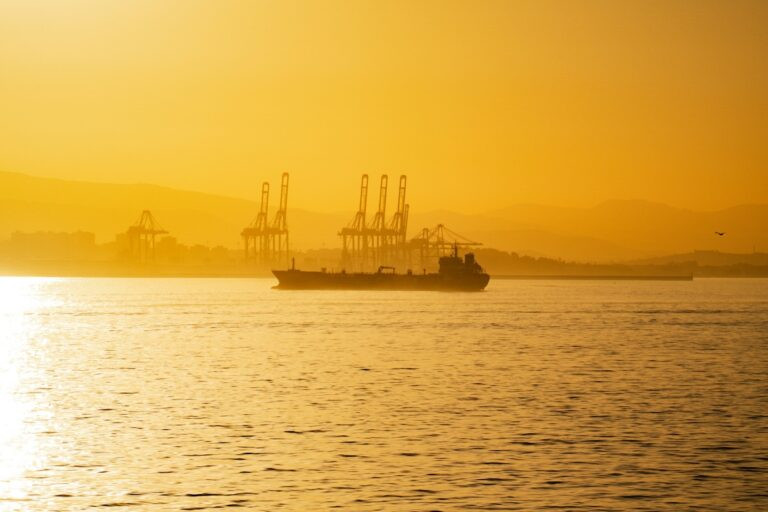
Traders are increasingly positioning around the so-called 'NACHO' trade, betting disruptions in the Strait of Hormuz and elevated oil prices will persist longer than markets expect.

The UAE will exit OPEC and OPEC+ from May 1, aiming to increase oil production and better align with shifting global energy demand.