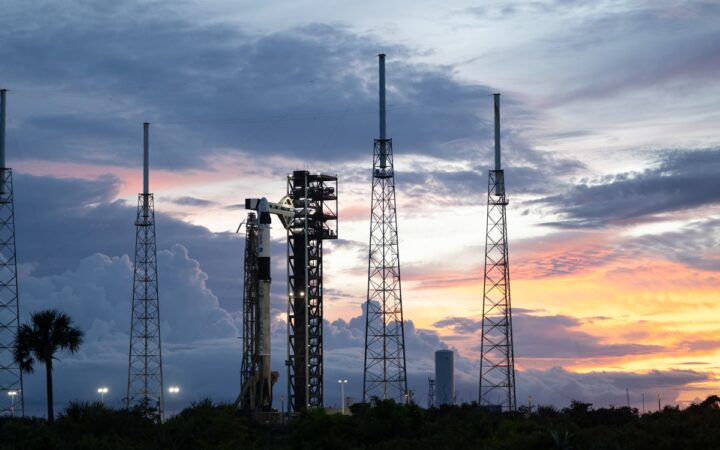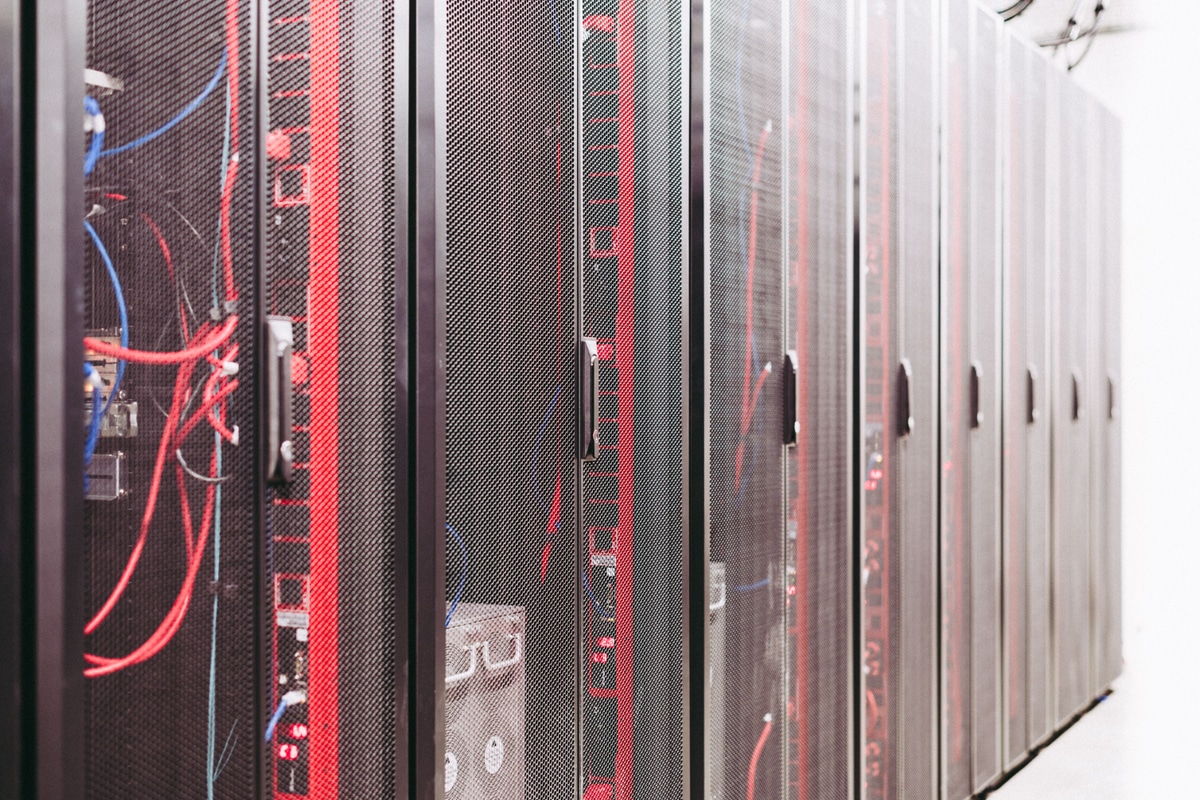
Cowboy Space has raised $275 million to develop rockets specifically designed to support orbital data centers, betting that future demand for artificial intelligence computing will extend beyond Earth-based infrastructure.
The startup plans to build spacecraft capable of operating as space-based data centers, with computing equipment integrated directly into rocket upper stages. Each system is expected to weigh between 20 and 25 tons and generate megawatt-scale power for roughly 800 onboard GPUs.
The company is targeting what it sees as a rapidly emerging market for off-world computing infrastructure as demand for AI processing capacity continues to surge globally.
AI Compute Demand Expands Beyond Earth
Cowboy Space was founded by Baiju Bhatt and is currently valued at approximately $2 billion.
The company argues that existing launch capacity is insufficient to support the scale of orbital data centers envisioned for the future AI economy. Current rockets are expensive and limited in payload capability, creating a bottleneck for large-scale deployment.
The concept relies heavily on next-generation heavy-lift rockets, including SpaceX’s Starship system, which is still undergoing testing but is expected to dramatically expand payload capacity once operational.
Cowboy Space believes orbital infrastructure could eventually provide advantages in energy generation, cooling efficiency, and scalability compared to traditional terrestrial data centers.
The startup’s proposed systems would function as high-powered computing platforms in orbit, capable of supporting AI training workloads, cloud processing, and advanced simulation tasks.
Space Infrastructure Becomes New AI Frontier
The funding round highlights how the race for artificial intelligence infrastructure is beginning to extend into the aerospace sector.
As demand for computing power continues accelerating, investors are increasingly exploring unconventional approaches to solving energy, cooling, and capacity constraints associated with AI systems.
Analysts note that orbital data centers remain highly experimental and face major technical, regulatory, and economic hurdles. Launch costs, radiation exposure, hardware reliability, and maintenance limitations remain significant challenges.
Still, investor interest in frontier AI infrastructure projects has intensified as companies search for ways to secure long-term computing capacity in an increasingly constrained market.
The first launch for Cowboy Space is currently planned for 2028, though the company’s broader vision depends heavily on advances in reusable heavy-lift launch technology.
The broader takeaway is that AI-driven demand for computing power is becoming large enough to reshape not only semiconductor and cloud industries, but also the future direction of the global space economy.