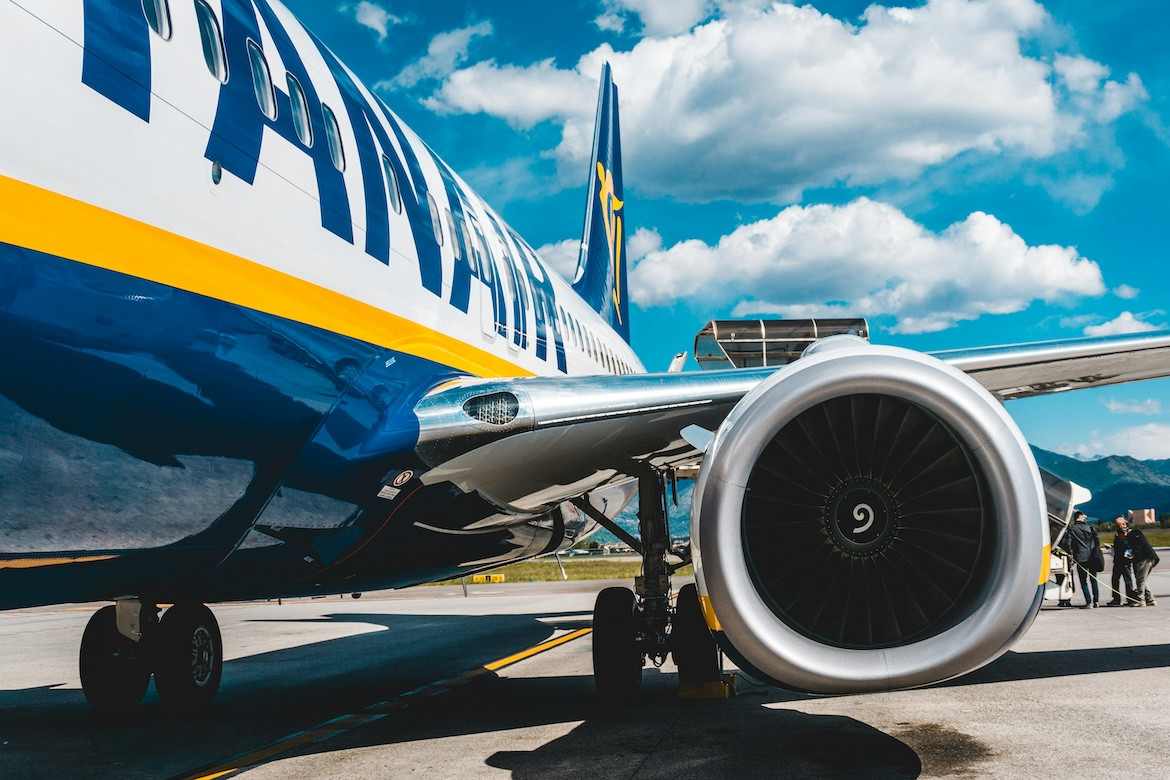
Ryanair warned that weaker European airlines may not survive the ongoing jet fuel crisis as soaring energy costs continue pressuring the aviation sector.
The company said it has contingency plans prepared for what executives described as a potential “armageddon scenario” if fuel market disruptions worsen further.
Ryanair’s comments come as airlines across Europe face rising operational costs tied to higher oil prices and continued instability in global energy markets.
Fuel Prices Pressure European Aviation
The airline industry has been increasingly affected by elevated jet fuel prices following geopolitical tensions and ongoing disruptions in global energy supply chains.
Ryanair executives said financially weaker carriers could face severe liquidity pressure if fuel costs remain elevated for an extended period.
Analysts note that low-cost airlines with stronger balance sheets and fuel hedging strategies may be better positioned to weather prolonged volatility compared with smaller regional competitors.
The warning also reflects broader concerns about inflationary pressures spreading through transportation, logistics, and consumer travel markets.
Higher fuel costs have already forced several airlines to raise ticket prices, reduce routes, or reassess expansion plans across Europe.
Industry Consolidation Risks Increase
Ryanair’s remarks have fueled expectations that the current energy shock could accelerate consolidation within the European airline industry.
Companies with stronger cash reserves and operational scale may gain market share if smaller rivals struggle to absorb higher costs.
At the same time, investors are closely monitoring how sustained oil price volatility could affect travel demand and airline profitability heading into peak seasonal travel periods.
The comments also underscore how energy markets remain a central risk factor for transportation companies worldwide as geopolitical tensions continue influencing commodity prices.
Despite the warnings, Ryanair said it remains operationally prepared for severe market conditions due to its scale, cost structure, and fuel management strategy.
The broader takeaway is that the global energy crisis is increasingly reshaping competitive dynamics across industries, with transportation and aviation among the sectors facing the greatest immediate pressure.