EasyJet stock declined after the airline warned that rising fuel costs and Middle East tensions are weighing on its bookings outlook.
By Michael Foster | Edited by Oleg Petrenko
Published:
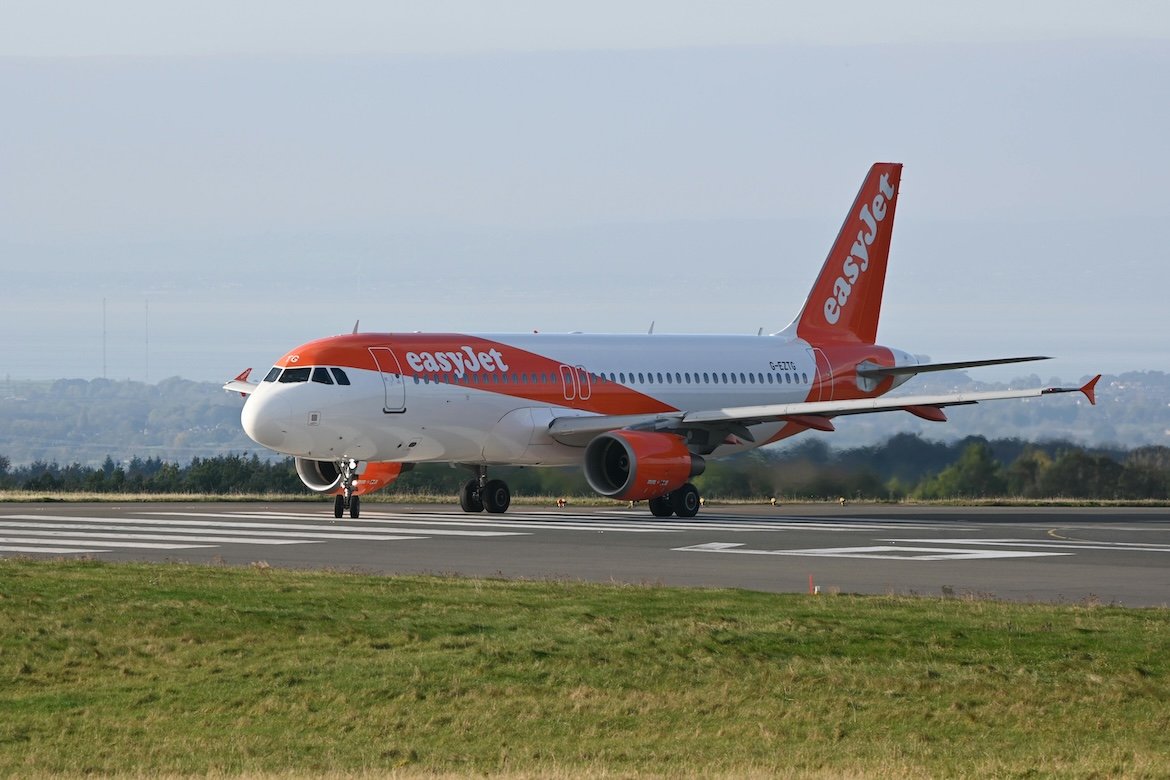
EasyJet shares fell after the airline warned that higher fuel costs and Middle East tensions are putting pressure on its bookings outlook. Photo: Wayne Jackson / Pexels
EasyJet shares fell after the low-cost airline flagged growing pressure on its bookings outlook, citing rising fuel costs and escalating tensions in the Middle East as key headwinds.
The stock declined in early trading as investors reacted to weaker forward guidance, with management warning that higher operating costs and softer demand trends could weigh on near-term performance.
Fuel remains one of the airline’s largest expenses, and recent increases in oil prices have pushed costs higher, compressing margins across the aviation sector.
Fuel Costs and Geopolitics Pressure Demand Outlook
EasyJet said that rising jet fuel prices are expected to increase unit costs in the coming quarters, limiting its ability to sustain profit margins despite steady passenger volumes.
At the same time, the ongoing conflict in the Middle East has disrupted travel patterns, particularly on routes linked to affected regions. Geopolitical uncertainty has also dampened consumer confidence, leading to more cautious booking behavior.
Airlines are particularly sensitive to such disruptions, as even small shifts in demand can have a significant impact on load factors and pricing power.
As previously covered, geopolitical tensions have increasingly influenced travel demand, especially in regions reliant on international tourism and business travel.
While EasyJet continues to benefit from strong intra-European travel demand, the broader outlook remains uncertain as macroeconomic and geopolitical risks persist.
The decline in EasyJet shares highlights investor concerns about the sustainability of earnings in the airline industry, where profitability is closely tied to volatile input costs and external shocks.
Higher fuel prices not only increase operating expenses but also limit airlines’ flexibility to offer competitive pricing, particularly in a cost-sensitive segment like budget travel.
Analysts note that the sector faces a challenging balance between maintaining ticket demand and protecting margins, especially as consumers remain sensitive to price increases.
At the same time, geopolitical risks add another layer of uncertainty, potentially affecting route networks, capacity planning, and overall demand trends.
For investors, the key question is whether airlines can offset rising costs through pricing power or efficiency gains, or if margins will continue to face downward pressure.
EasyJet’s update reinforces a broader market theme: even as travel demand remains resilient, external factors such as fuel volatility and geopolitical instability continue to shape the sector’s outlook.
Anthropic’s estimated valuation has climbed to $851 billion, highlighting explosive growth in AI startups as investors pour capital into the sector ahead of major IPOs.
By Michael Foster | Edited by Oleg Petrenko
Published:
Anthropic’s estimated valuation has risen to $851 billion, underscoring rapid growth in AI startups as investors channel capital into the sector ahead of major IPOs. Photo: Oleg Petrenko / MarketSpeaker
Anthropic’s estimated valuation has surged to approximately $851 billion, marking one of the most dramatic increases in the artificial intelligence sector and underscoring intensifying investor demand ahead of a wave of anticipated IPOs.
The company’s valuation has risen by more than $700 billion over the past six months an increase of roughly 600% as capital continues to flood into AI-focused firms. The surge places Anthropic among the most highly valued private companies globally, alongside other leading players in the AI race.
Market expectations are building for a potential initial public offering later this year, which could serve as a major catalyst for broader equity markets already buoyed by AI-driven optimism.
Venture Capital Flood Fuels AI Valuation Surge
The sharp rise in Anthropic’s valuation reflects a broader surge in venture capital investment across the AI ecosystem. Investors have deployed approximately $300 billion into AI-related companies since the start of 2026, already surpassing the $215 billion invested throughout all of 2025.
This rapid acceleration is being driven in part by fears of missing out on the next generation of dominant technology platforms. Venture firms and institutional investors are increasingly competing for exposure to companies developing large language models, AI infrastructure, and enterprise applications.
Anthropic’s growth trajectory is emblematic of this trend, as demand for advanced AI systems continues to expand across industries including finance, healthcare, and enterprise software.
At the same time, a pipeline of high-profile IPOs is reinforcing bullish sentiment. SpaceX is reportedly approaching a valuation of around $1.5 trillion, while OpenAI is expected to target roughly $1 trillion in a future public listing.
As previously covered, the AI sector has become a central driver of market momentum, attracting capital at a pace rarely seen outside of previous technology booms.
Market Implications Point to AI as Key Support for Equities
The surge in AI valuations is playing a significant role in supporting broader equity markets, even amid macroeconomic uncertainty and tighter financial conditions.
Investors view AI as a long-term structural growth theme capable of offsetting cyclical pressures in other sectors. The anticipated IPO wave in 2026 is expected to inject fresh momentum into public markets, potentially setting new records for deal size and valuation.
However, analysts caution that such rapid valuation increases also raise questions about sustainability. Comparisons to previous tech bubbles have emerged, particularly as capital flows accelerate and competition intensifies.
Despite these concerns, market sentiment remains firmly anchored in the belief that AI represents a transformative technology with far-reaching economic impact.
For investors, the key challenge will be distinguishing between companies with durable competitive advantages and those benefiting primarily from short-term speculative momentum.
The coming IPO cycle is likely to serve as a critical test of current valuations, providing clearer signals on how public markets price the next generation of AI leaders.
Samsung SDS stock surged after KKR agreed to invest $820 million via convertible bonds, forming a strategic partnership focused on AI expansion.
By Daniel Wright | Edited by Oleg Petrenko
Published:
Samsung SDS shares jumped after KKR committed to an $820 million investment through convertible bonds, establishing a strategic partnership centered on AI expansion. Photo: Samsung SDS Global / Facebook
Samsung SDS shares surged approximately 20% after the company announced a strategic partnership with private equity firm KKR, anchored by an $820 million investment in newly issued convertible bonds.
The deal positions Samsung SDS to accelerate its expansion into artificial intelligence and cloud-based enterprise services, while giving KKR exposure to one of South Korea’s leading IT service providers.
The investment will be made through convertible bonds, allowing KKR the option to convert its holdings into equity at a later stage, depending on market conditions and company performance.
Strategic Partnership Targets AI and Enterprise Cloud Growth
The agreement reflects a growing focus on AI-driven infrastructure and enterprise digital transformation, areas where Samsung SDS has been increasing investment in recent years.
Company executives said the partnership will support the development of advanced AI capabilities, including data analytics platforms, automation tools, and enterprise cloud solutions tailored for large corporate clients.
KKR’s involvement is expected to provide not only capital but also strategic support, particularly in scaling global operations and improving operational efficiency.
The structure of the deal via convertible bonds offers flexibility for both parties. Samsung SDS secures funding without immediate dilution, while KKR gains potential upside if the company’s valuation rises as its AI strategy gains traction.
As previously covered, global demand for AI infrastructure has surged, with companies across industries investing heavily in computing capacity, software platforms, and data-driven services.
Samsung SDS aims to position itself as a key player in this ecosystem, leveraging its existing enterprise client base and integration capabilities.
Market Reaction Highlights Investor Appetite for AI Exposure
The sharp rally in Samsung SDS shares underscores strong investor demand for companies with clear exposure to AI growth themes.
Market participants are increasingly rewarding firms that demonstrate credible strategies for monetizing AI technologies, particularly in enterprise applications where revenue visibility tends to be stronger.
The partnership with KKR is also seen as a validation of Samsung SDS’s long-term growth prospects, as private equity firms typically target investments with scalable business models and clear paths to profitability.
However, analysts note that execution will be critical. The company will need to deliver consistent revenue growth and demonstrate tangible returns on its AI investments to sustain current valuations.
Competition in the enterprise cloud and AI services market remains intense, with global players such as Amazon and Microsoft continuing to dominate.
Still, the deal highlights a broader trend across markets: capital is increasingly flowing toward companies positioned to benefit from the expansion of AI infrastructure and enterprise digitization.
For investors, Samsung SDS’s next phase will depend on how effectively it can convert strategic investment into sustained earnings growth and competitive differentiation.
Luxury stocks declined sharply after weak earnings from Hermès and Kering, as the Iran war weighed on Middle East demand and tourism.
By Sophia Reynolds | Edited by Oleg Petrenko
Published:
Updated:
Luxury stocks dropped sharply following disappointing results from Hermès and Kering, as the Iran war dampened demand in the Middle East and reduced tourism flows. Photo: Neon Wang / Unsplash
European luxury stocks fell sharply after disappointing first-quarter earnings from major players, with Hermès shares dropping as much as 14% and Kering reporting declining revenue amid weakening global demand.
The selloff reflects growing pressure on the luxury sector as geopolitical tensions linked to the Iran war disrupt spending patterns, particularly in the Middle East – a key growth region for high-end brands.
Hermès shares recorded their steepest intraday decline in years after sales growth of 5.6% missed expectations of roughly 7%, while Kering reported a 6% drop in first-quarter revenue, driven largely by continued weakness at its flagship Gucci brand.
Geopolitical Tensions Weigh on Luxury Demand and Tourism
The Iran war has significantly impacted consumer behavior in the Middle East, leading to a decline in luxury spending and reduced tourism flows into Europe.
Hermès reported a roughly 6% drop in sales across the Middle East, with a sharp slowdown in March as regional tensions escalated.
The conflict has also reduced travel from wealthy Middle Eastern consumers, a key customer base for luxury retailers in cities such as Paris and London. Fewer tourists translated into weaker in-store sales, particularly in France, where spending declined as visitor numbers fell.
Kering, which owns Gucci, Yves Saint Laurent, and Balenciaga, faced similar pressures. Gucci sales dropped about 8% year-over-year, extending a prolonged period of weakness for the brand.
Overall, the Middle East while representing a relatively small share of total revenue has historically been one of the fastest-growing markets for luxury goods, making the recent slowdown particularly impactful for investor expectations.
As previously covered, geopolitical instability has increasingly become a key risk factor for consumer-facing sectors, especially those reliant on global travel and discretionary spending.
Market Reaction Highlights Fragility of Luxury Sector Recovery
The sharp market reaction underscores investor concerns about the sustainability of the luxury sector’s recovery following a period of slowing growth and consumer pushback against high prices.
Kering shares declined alongside Hermès, with investors focusing on Gucci’s turnaround challenges and broader signs of weakening demand across regions including Europe and China.
Analysts note that the sector is facing multiple headwinds, including geopolitical uncertainty, currency fluctuations, and shifting consumer behavior.
At the same time, valuation pressures are increasing. Luxury stocks, traditionally seen as defensive plays tied to ultra-wealthy consumers, are now being reassessed as growth slows and earnings visibility weakens.
Some investors view the selloff as a potential buying opportunity, particularly for stronger brands with resilient pricing power. However, weaker performers such as Kering may face a longer recovery cycle without clear signs of operational improvement.
The latest earnings season highlights a key theme for markets: even premium consumer segments are not immune to macroeconomic and geopolitical shocks.
For investors, the focus now shifts to whether demand stabilizes in the second half of the year or if prolonged uncertainty continues to weigh on luxury spending globally.
AMD, Qualcomm, and Arm have invested in autonomous driving startup Wayve, reinforcing growing demand for AI-powered vehicle technology.
By Daniel Wright | Edited by Oleg Petrenko
Published:
Updated:
AMD, Qualcomm, and Arm have backed autonomous driving startup Wayve with new funding, underscoring rising demand for AI-powered vehicle technology. Photo: Wayve / X
Autonomous driving startup Wayve has secured fresh funding from semiconductor giants AMD, Qualcomm, and Arm, highlighting growing industry momentum behind AI-driven vehicle technology.
We’re announcing a $60M extension to our Series D from @AMD, @Arm and @QualcommVenture, bringing together partners across the automotive compute stack to simplify integration and accelerate time-to-market of our AI Driver across ADAS and automated driving systems worldwide.… pic.twitter.com/mDiXGbnVXG
While financial terms of the investment were not disclosed, the participation of leading chipmakers signals strong confidence in Wayve’s approach to building self-driving systems powered by end-to-end artificial intelligence models. The company is focused on developing software that enables vehicles to learn from real-world driving data rather than relying solely on pre-mapped environments.
The funding comes at a time when competition in the autonomous driving space is intensifying, with both established automakers and technology firms racing to commercialize scalable self-driving solutions.
Chipmakers Align With AI-Centric Autonomous Driving Strategy
Wayve’s approach differs from traditional autonomous systems by using machine learning models trained on vast datasets collected from urban driving environments. This allows vehicles to adapt dynamically to complex and unpredictable road conditions.
For AMD, Qualcomm, and Arm, the investment represents a strategic move to expand their presence in the fast-growing automotive AI market. Each company plays a critical role in supplying the chips and architectures required to power next-generation driverless systems.
The partnership could enable tighter integration between Wayve’s software and the underlying hardware, improving performance, efficiency, and scalability. This is particularly important as autonomous vehicles require significant computational power to process sensor data in real time.
As previously covered, semiconductor companies have been increasingly targeting the automotive sector as a key growth area, driven by rising demand for advanced driver-assistance systems and fully autonomous capabilities.
Wayve has already been testing its technology on public roads in cities such as London and San Francisco, positioning itself as a contender in the global race toward commercialization.
Market Implications Point to Expanding AI and Automotive Convergence
The investment underscores a broader trend: the convergence of artificial intelligence, semiconductors, and transportation.
Investors view autonomous driving as a long-term growth opportunity, with the potential to reshape mobility, logistics, and urban infrastructure. However, the path to commercialization remains complex, with regulatory hurdles, safety concerns, and high development costs.
For chipmakers, backing companies like Wayve offers exposure to future demand for high-performance computing in vehicles, a market expected to grow significantly over the next decade.
At the same time, competition remains intense. Major players including Tesla, Alphabet’s Waymo, and traditional automakers continue to invest heavily in autonomous technologies.
The success of Wayve’s AI-first approach will depend on its ability to scale its models across diverse environments and demonstrate consistent safety performance.
For markets, the deal reinforces investor appetite for AI-driven innovation across sectors, particularly where software and hardware integration can unlock new commercial opportunities.
As the autonomous driving race evolves, partnerships between chipmakers and software developers are likely to play a critical role in shaping the industry’s future trajectory.
Snap will lay off about 1,000 employees, or 16% of its workforce, as part of a cost-cutting plan tied to AI-driven efficiency and profitability goals.
By Emma Clarke | Edited by Oleg Petrenko
Published:
Snap plans to cut roughly 1,000 jobs, or about 16% of its workforce, as part of a cost-reduction strategy focused on AI-driven efficiency and improved profitability. Photo: Thought Catalog / Pexels
Snap is set to lay off approximately 1,000 employees, representing around 16% of its global workforce, as the social media company accelerates a cost-cutting strategy tied to artificial intelligence and operational efficiency.
The company also plans to eliminate more than 300 open roles, signaling a broader restructuring effort aimed at streamlining operations and improving profitability. The cuts are expected to generate roughly $500 million in savings this year, according to internal targets.
Chief Executive Evan Spiegel said the layoffs are necessary to position Snap for long-term growth, emphasizing that advances in AI are enabling employees to operate more efficiently with fewer resources.
AI Adoption Drives Restructuring and Cost Discipline
Snap’s decision reflects a growing trend across the tech sector, where companies are increasingly leveraging artificial intelligence to reduce headcount and optimize workflows.
Executives indicated that AI tools are already being integrated across engineering, content moderation, and advertising operations, reducing the need for manual processes and enabling faster execution.
The restructuring also comes as Snap continues to navigate a challenging advertising environment. While digital ad spending has shown signs of recovery, competition from larger platforms and shifting user engagement patterns have pressured revenue growth.
As previously covered, Snap has been investing in AI-powered advertising tools and augmented reality features to attract marketers and retain users. However, profitability has remained inconsistent, prompting renewed focus on cost discipline.
The workforce reduction is part of a broader effort to align expenses with revenue growth, particularly as investors demand clearer paths to sustained margins in the social media sector.
The layoffs underscore a broader shift in the technology industry, where companies are prioritizing efficiency and profitability over aggressive hiring and expansion.
Investors have increasingly rewarded firms that demonstrate disciplined cost management, especially following years of elevated spending during the pandemic-era tech boom.
Snap’s move could signal further workforce reductions across mid-sized tech firms that are seeking to integrate AI while maintaining competitive cost structures.
At the same time, the reliance on AI raises questions about long-term workforce dynamics, as automation reshapes roles across engineering, marketing, and operations.
For Snap, the success of this strategy will depend on its ability to translate cost savings into improved margins while continuing to innovate in a highly competitive market dominated by larger players.
The company’s restructuring highlights a key theme for investors: AI is not only a growth driver but also a tool for cost reduction, fundamentally altering how tech companies allocate resources and scale operations.
Allbirds shares skyrocketed after the struggling footwear brand announced a pivot to AI infrastructure, signaling a dramatic shift in its business model.
By Sophia Reynolds | Edited by Oleg Petrenko
Published:
Allbirds shares surged sharply after the struggling footwear company announced a pivot to AI infrastructure, marking a dramatic shift in its business model. Photo: Allbirds / X
Allbirds shares surged as much as 910% in a single trading session, adding approximately $143 million to its market capitalization, after the struggling footwear company unveiled plans to pivot into artificial intelligence infrastructure.
The rally marks one of the most dramatic single-day moves in recent market history, transforming a company that was recently valued at just $22 million and widely seen as nearing closure into a newly positioned player in the fast-growing AI ecosystem.
The company, once valued at roughly $4 billion at its peak, said it has sold its core footwear business for $39 million and will rebrand as “NewBird AI” signaling a full strategic overhaul aimed at capitalizing on surging demand for computing power.
Strategic Shift Reflects Surging Demand for AI Compute
The new strategy centers on acquiring graphics processing units (GPUs) and leasing computing capacity to developers who face limited access through major cloud providers such as Amazon and Microsoft.
The pivot comes at a time when demand for AI infrastructure has surged globally, driven by the rapid adoption of large language models and enterprise AI applications. Analysts note that supply constraints in high-performance chips have created a bottleneck, particularly for smaller firms unable to secure capacity from dominant cloud platforms.
Allbirds’ move positions it as a niche provider targeting underserved segments of the AI market, particularly startups and independent developers seeking more flexible access to compute resources.
The company also announced a $50 million convertible financing facility to support its transition, providing capital for GPU procurement and infrastructure development.
As previously covered, investor enthusiasm for AI-related businesses has fueled significant capital flows into the sector, often rewarding companies that successfully align themselves with the broader AI narrative.
Market Reaction Highlights Speculative Momentum and Risks
The extraordinary stock surge underscores the intensity of investor appetite for AI exposure, even among companies undergoing radical business transformations.
Market participants appear to be pricing in the potential for high-margin revenue streams associated with AI infrastructure, despite limited operational track records in this space from newly repositioned firms.
However, analysts caution that execution risks remain elevated. Building a competitive AI infrastructure business requires substantial capital investment, technical expertise, and long-term customer acquisition strategies.
Competition is also expected to be intense, with established players such as Amazon and Microsoft continuing to dominate the cloud computing landscape.
Still, the reaction highlights a broader market dynamic: companies associated with artificial intelligence regardless of their prior industry are attracting outsized investor attention.
For investors, the key question is whether such transformations represent sustainable business models or short-term speculative momentum driven by AI hype cycles.
The Allbirds case illustrates both the opportunity and volatility embedded in the current market environment, where thematic shifts can rapidly reshape valuations and investor sentiment.
The SEC approved the removal of the $25,000 minimum requirement for pattern day traders, expanding access to active trading for retail investors.
By David Sinclair | Edited by Oleg Petrenko
Published:
The SEC has approved eliminating the $25,000 minimum balance requirement for pattern day traders, broadening retail investors’ access to active trading. Photo: Hester Peirce / X
The U.S. Securities and Exchange Commission has approved the elimination of the long-standing “Pattern Day Trader” (PDT) rule, removing the $25,000 minimum account balance requirement for individuals engaging in frequent intraday trading.
The move marks a significant shift in market access rules, potentially opening the door for millions of retail investors to participate more actively in short-term trading strategies without the capital constraints that have been in place for decades.
The rule previously required traders executing four or more day trades within five business days to maintain a minimum equity balance of $25,000, effectively limiting high-frequency retail participation to well-capitalized accounts.
The decision reflects evolving market conditions and the growing role of retail investors in U.S. equities markets. Over the past several years, commission-free trading platforms and increased market accessibility have driven a surge in individual trading activity.
Regulators appear to be adapting to these changes by lowering structural barriers, while potentially relying more on broker-level risk controls and disclosures rather than blanket capital requirements.
Supporters of the move argue that the PDT rule had become outdated, disproportionately restricting smaller investors while institutional participants faced no equivalent constraints.
As previously covered, retail trading activity surged during periods of market volatility, highlighting both the opportunities and risks associated with increased individual participation in equities markets.
However, critics caution that removing the $25,000 threshold could expose less experienced investors to heightened risk, particularly in volatile or leveraged trading environments where losses can accumulate quickly.
Market Impact Raises Questions on Volatility and Broker Risk Controls
The elimination of the PDT rule could lead to a measurable increase in intraday trading volumes, particularly among younger and lower-capital retail participants.
Brokerage firms may respond by tightening internal risk management tools, including margin requirements, trading limits, and real-time monitoring systems, to mitigate potential spikes in speculative activity.
From a market structure perspective, increased day trading activity could contribute to higher short-term volatility, particularly in small-cap and highly liquid tech stocks that are already favored by active traders.
At the same time, the rule change may boost overall market liquidity, as a broader base of participants engages in frequent trading.
Investors and analysts will closely watch whether the regulatory shift leads to sustained increases in trading volumes or introduces new systemic risks tied to retail-driven momentum strategies.
The decision underscores a broader trend toward democratization of financial markets, even as regulators balance access with investor protection in an increasingly digital trading environment.
Federal Reserve nominee Kevin Warsh revealed over $100 million in assets, including stakes in crypto and tech ventures, raising questions about potential policy implications.
By Benjamin Harper | Edited by Oleg Petrenko
Published:
Federal Reserve nominee Kevin Warsh disclosed more than $100 million in assets, including investments in crypto and technology ventures, prompting questions about potential policy implications. Photo: Oleg Petrenko / MarketSpeaker
Kevin Warsh, a leading candidate for the next Federal Reserve chair, disclosed more than $100 million in personal assets, including investments in cryptocurrency-related companies, according to a recent financial filing that marks a key step in his confirmation process.
The disclosure highlights stakes in firms tied to the digital asset ecosystem, including Ethereum infrastructure provider Tenderly and Latin American crypto platform Lemon Cash. While these investments represent only a portion of his broader portfolio, they underscore Warsh’s exposure to a sector that has faced increasing regulatory attention from U.S. policymakers.
The filing comes as markets closely monitor the nomination process, given the Fed’s central role in shaping monetary policy, financial regulation, and oversight of emerging asset classes such as cryptocurrencies.
Diverse Portfolio Spans Crypto, AI, and Private Markets
Warsh’s financial disclosure shows that the majority of his wealth is concentrated outside the crypto sector. His largest single investment is approximately $100 million in Juggernaut Fund LP, a private investment vehicle.
In addition to larger holdings, Warsh has made smaller venture-style investments typically up to $500,000 per deal through a separate structure. These include stakes in high-profile technology companies such as SpaceX, prediction market platform Polymarket, and several artificial intelligence and fintech startups.
The presence of crypto-related investments, though relatively modest compared to his total assets, is likely to draw scrutiny during Senate confirmation hearings. Regulators have taken a cautious stance toward digital assets, particularly following volatility and high-profile failures in the sector in recent years.
As previously covered, policymakers remain divided on how aggressively to regulate cryptocurrencies, balancing innovation with financial stability risks.
Policy Implications and Market Sensitivity
Warsh’s financial exposure to crypto could raise questions about potential conflicts of interest or policy bias, particularly as the Federal Reserve continues to evaluate its role in overseeing digital asset markets and payment systems.
Investors are likely to watch closely how Warsh addresses these concerns, including whether he commits to divesting certain holdings or recusing himself from related policy decisions if confirmed.
The broader market implications may be nuanced. While the Fed does not directly regulate cryptocurrencies in the same way as securities regulators, its policies on interest rates, liquidity, and banking supervision have significant indirect effects on digital asset markets.
At the same time, Warsh’s background as a former Fed governor and his investment experience across technology sectors may signal a more innovation-friendly approach to financial regulation.
For markets, the key question remains whether leadership at the central bank will lean toward tighter oversight or a more accommodative stance as digital assets become increasingly integrated into the global financial system.
The disclosure adds another layer of complexity to the Fed leadership transition, reinforcing how closely intertwined financial markets, technology innovation, and monetary policy have become.
Novo Nordisk has partnered with OpenAI to enhance its drug discovery efforts using advanced AI tools, aiming to accelerate identification of new treatments.
By Emma Clarke | Edited by Oleg Petrenko
Published:
Updated:
Novo Nordisk has entered into a partnership with OpenAI to strengthen its drug discovery capabilities through advanced AI tools, with the goal of accelerating the identification of new treatments. Photo: Oleg Petrenko / MarketSpeaker
Novo Nordisk announced a strategic partnership with OpenAI aimed at accelerating its drug discovery pipeline through advanced artificial intelligence, marking a significant step in the pharmaceutical industry’s push toward data-driven innovation.
The collaboration will enable Novo Nordisk to leverage AI models to process and analyze complex biological and clinical datasets, with the goal of identifying promising drug candidates more efficiently. The Danish drugmaker, best known for its diabetes and obesity treatments, is seeking to shorten development timelines and improve success rates in early-stage research.
Financial terms of the agreement were not disclosed, but the initiative underscores increasing investment across the healthcare sector in AI technologies as companies compete to bring next-generation therapies to market faster.
AI Integration Targets Faster and More Precise Drug Development
At the core of the partnership is the use of advanced machine learning models to uncover patterns in large-scale datasets that would be difficult to detect through traditional research methods. This includes genomic data, clinical trial results, and molecular structures.
Novo Nordisk said the collaboration will focus on improving target identification and validation two of the most critical and time-consuming stages in drug development. By enhancing these processes, the company aims to increase the probability of clinical success and reduce costly late-stage failures.
The move reflects a broader industry trend, as pharmaceutical companies increasingly turn to AI to streamline R&D workflows. As previously covered, firms across the sector have been investing heavily in AI platforms to improve efficiency, reduce development costs, and gain a competitive edge in bringing innovative treatments to market.
Executives highlighted that AI-driven insights could significantly accelerate timelines, potentially shaving years off traditional drug development cycles that typically span more than a decade and cost upwards of $2 billion per successful drug.
Market Implications Highlight Growing AI Investment in Healthcare
The partnership signals Novo Nordisk’s intent to remain at the forefront of innovation amid intensifying competition in the global pharmaceutical market. Investors have closely watched the company’s ability to sustain growth beyond its blockbuster weight-loss and diabetes drugs.
Shares of Novo Nordisk have been supported by strong demand for its GLP-1 treatments, but long-term valuation increasingly depends on the company’s pipeline strength and ability to diversify its portfolio.
By integrating AI into its research processes, Novo Nordisk is positioning itself to enhance productivity and potentially unlock new therapeutic areas, including rare diseases and complex chronic conditions.
The deal also reflects a broader convergence between technology and healthcare, with AI emerging as a critical driver of future growth. Companies that successfully deploy AI at scale could gain significant advantages in speed, cost efficiency, and innovation.
For investors, the collaboration highlights both opportunity and execution risk. While AI offers transformative potential, outcomes remain uncertain, and measurable returns may take years to materialize.
Still, the move reinforces a clear industry direction: pharmaceutical companies are increasingly betting on AI not just as a tool, but as a foundational component of next-generation drug development strategies.
Amazon agreed to acquire Globalstar to strengthen its low Earth orbit satellite network and accelerate direct-to-device connectivity. The move intensifies competition with SpaceX’s Starlink.
By Daniel Wright | Edited by Oleg Petrenko
Published:
Amazon has reached an agreement to acquire Globalstar in a $11.6 billion deal, seeking to enhance its low-Earth orbit satellite network and broaden direct-to-device connectivity capabilities. Photo: Marques Thomas / Unsplash
Amazon has agreed to acquire satellite communications company Globalstar in a deal valued at approximately $11.6 billion, a move designed to accelerate the expansion of its low Earth orbit (LEO) satellite network, Amazon Leo. The acquisition gives Amazon access to Globalstar’s satellite fleet, spectrum licenses, and infrastructure, strengthening its push into space-based internet and mobile connectivity.
Shares of Globalstar surged following the announcement, while Amazon stock also moved modestly higher as investors welcomed the company’s deeper commitment to satellite communications. The deal is expected to close pending regulatory approval, with shareholders offered either $90 per share in cash or equivalent Amazon stock.
Strategic Push Into Direct-to-Device Connectivity
The acquisition is centered on expanding Amazon Leo’s capabilities beyond broadband into direct-to-device (D2D) services, allowing smartphones and other devices to connect directly to satellites without relying on terrestrial networks.
Amazon said Globalstar’s expertise in mobile satellite services and its globally licensed spectrum will enable Leo to deliver voice, messaging, and data services in remote or underserved regions. This includes emergency communications and basic connectivity where traditional cellular coverage is unavailable.
The company is targeting a rollout of next-generation D2D services by 2028, positioning itself in a fast-growing segment of the satellite market.
A key component of the deal is Amazon’s expanded partnership with Apple. Under the agreement, Amazon Leo will power satellite features on supported iPhone and Apple Watch models, including emergency messaging and roadside assistance services.
As previously covered, demand for satellite-based connectivity has increased as telecom operators and tech firms seek to extend coverage globally without building costly ground infrastructure. The integration of D2D services is widely seen as a critical next step in the evolution of mobile networks.
Competition With Starlink and Execution Risks
Amazon’s move intensifies its rivalry with SpaceX’s Starlink, which currently dominates the LEO satellite market with thousands of satellites in orbit and millions of users worldwide.
While Amazon has launched only a few hundred satellites to date, it plans to deploy more than 3,200 satellites by the end of the decade.
The Globalstar acquisition provides an immediate boost in infrastructure and spectrum access, but analysts caution that execution risks remain. Launch bottlenecks and reliance on third-party rockets have slowed Amazon’s rollout, potentially limiting near-term competitiveness.
Still, investors appear optimistic about the long-term opportunity. The global satellite internet market is expected to expand rapidly, driven by enterprise demand, government contracts, and increasing reliance on always-on connectivity.
For Amazon, the deal represents a strategic bet on the convergence of cloud computing, telecommunications, and space infrastructure. By integrating Leo with its broader ecosystem, including AWS, the company aims to capture a significant share of future connectivity spending.
The success of the Globalstar acquisition will ultimately depend on Amazon’s ability to scale its satellite deployment and deliver reliable services at competitive costs—factors that will shape investor sentiment in the quarters ahead.
Blue Origin has developed a system to extract oxygen from lunar soil, a breakthrough that could support future Moon bases. The technology also produces usable metals for construction.
By Emma Clarke | Edited by Oleg Petrenko
Published:
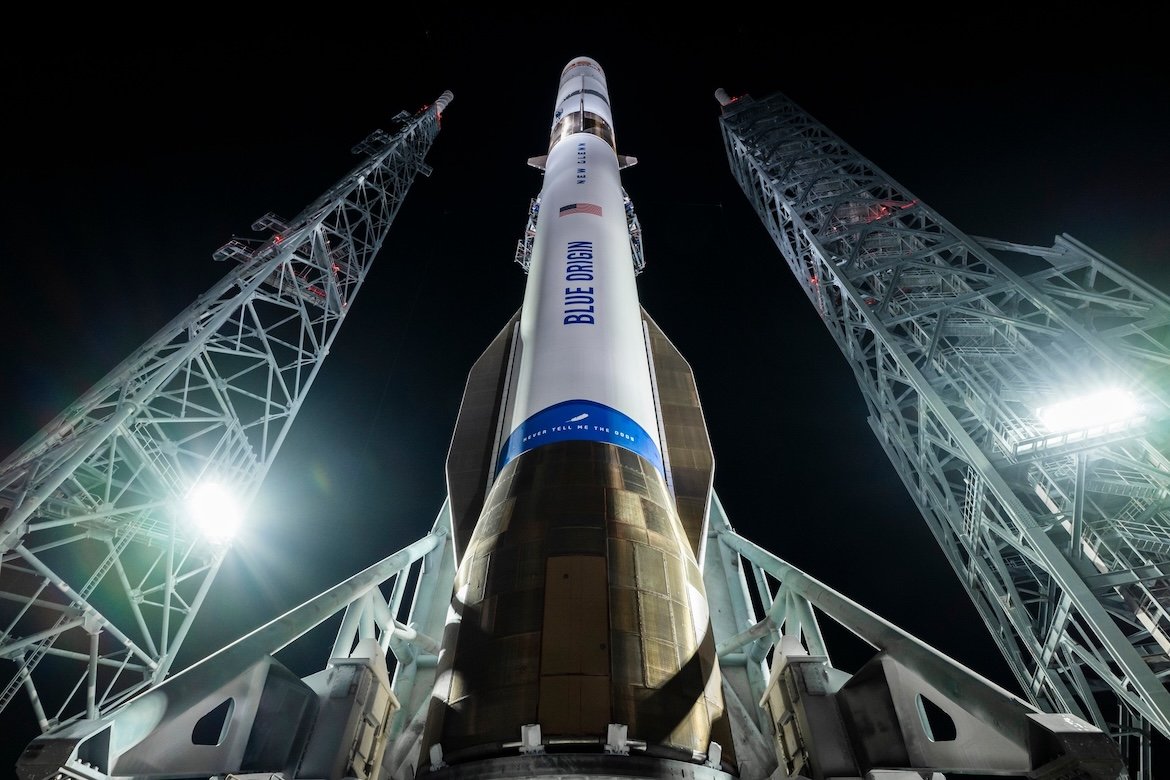
Blue Origin has developed a system that extracts oxygen from lunar soil, a breakthrough that could enable future Moon bases while also producing usable metals for construction. Photo: Blue Origin / Facebook
Blue Origin, the space venture founded by Jeff Bezos, has developed a technology capable of extracting oxygen from lunar soil, marking a significant step toward building sustainable infrastructure on the Moon.
The system works by heating lunar regolith to approximately 1,600°C, then using an electric current to separate oxygen ions from metal and silicon components. The process produces breathable oxygen alongside metals that can be used for construction.
The technology has already been tested on samples collected during the Apollo missions, successfully generating oxygen and usable materials.
Breakthrough in In-Situ Resource Utilization
The development represents a major advance in in-situ resource utilization (ISRU), a key concept for long-term space exploration.
By producing oxygen directly from lunar materials, missions could significantly reduce the need to transport resources from Earth, lowering costs and increasing sustainability.
As previously covered, establishing a permanent human presence on the Moon will require reliable access to air, water, and building materials. The ability to extract both oxygen and metals from regolith could enable the construction of habitats, infrastructure, and fuel systems directly on the lunar surface.
Implications for Space Economy and Future Missions
The breakthrough positions Blue Origin as a key player in the emerging space economy, where companies are racing to develop technologies for off-Earth resource utilization.
For investors and policymakers, such advancements highlight the growing commercial potential of lunar exploration and infrastructure development. The ability to generate essential resources on-site could accelerate timelines for Moon bases and future missions to Mars.
However, challenges remain, including scaling the technology for real-world deployment and integrating it into broader mission architectures. Still, the successful demonstration marks a critical milestone, reinforcing the role of private space companies in shaping the next phase of human space exploration.
Cocoa prices have plunged nearly 60% from 2025 highs, extending losses into 2026. The sharp decline follows a historic rally that peaked in late 2024.
By Nathan Cole | Edited by Oleg Petrenko
Published:
Cocoa prices have dropped nearly 60% from their 2025 highs, with losses extending into 2026, following a historic rally that peaked in late 2024. Photo: Elly Mar Tamayor / Pexels
Cocoa prices have fallen sharply after reaching historic highs, dropping from around $12,100 in 2025 to approximately $5,800, a decline of nearly 60% over the year. The selloff has accelerated into 2026, with prices falling another 50% to around $2,900, marking one of the steepest reversals in recent commodity market history.
The correction follows a dramatic rally that pushed cocoa prices to nearly $14,000 per tonne in December 2024, driven by supply shortages and strong global demand.
From Historic Rally to Rapid Collapse
The earlier surge in cocoa prices was fueled by supply disruptions in key producing regions, particularly in West Africa, where weather conditions and crop disease impacted output.
As previously covered, tight supply and rising demand from the global chocolate industry pushed prices to unprecedented levels, attracting speculative inflows into the market. However, as supply conditions began to stabilize and demand growth moderated, prices reversed sharply, triggering a wave of selling.
The magnitude of the decline reflects how quickly sentiment can shift in commodity markets once supply constraints ease.
Implications for Commodities and Investors
The collapse in cocoa prices highlights the extreme volatility often seen in agricultural commodities, where prices can swing rapidly based on weather, production cycles, and global demand trends.
For investors, the sharp correction underscores the risks of entering markets at peak levels, particularly during periods of speculative momentum. At the same time, lower prices may provide relief for manufacturers and consumers, potentially stabilizing costs across the food industry. Analysts note that while short-term volatility remains high, long-term demand for cocoa is still supported by global consumption trends. The recent price collapse serves as a reminder that commodity cycles can reverse quickly, especially after periods of historic highs.
Elon Musk is set to launch XChat on April 17, introducing an encrypted messaging platform integrated with X. The app will include calls, file sharing, and enhanced privacy features.
By Emma Clarke | Edited by Oleg Petrenko
Published:
Updated:
Elon Musk is set to launch XChat on April 17, unveiling an encrypted messaging platform integrated with X that will offer calls, file sharing, and enhanced privacy features. Photo: Oleg Petrenko / MarketSpeaker
Elon Musk is preparing to launch a new messaging platform, XChat, set to go live on April 17, marking a significant expansion of the X ecosystem into secure communications.
The new service will include encrypted messaging, voice and video calls, file sharing, and integration with existing X accounts, positioning it as a direct competitor to established messaging platforms.
The launch reflects Musk’s broader ambition to transform X into a multi-functional ‘everything app’.
Feature Set Focused on Privacy and Integration
XChat will offer end-to-end encrypted messaging, along with features such as message deletion for all participants and enhanced privacy controls.
Users will also be able to block screenshots and video recordings within chats, signaling a strong emphasis on data protection and user control. The platform is expected to support seamless integration with existing X accounts, allowing users to transition between social media and messaging within a single ecosystem. As previously covered, technology companies are increasingly prioritizing privacy features as competition intensifies in the messaging space.
However, an Android version has not yet been announced, which could limit early adoption across global markets.
Messaging Market
The launch of XChat positions X more directly against major messaging services, including encrypted platforms that dominate global communication.
For investors, the move highlights Musk’s strategy to expand X beyond social media into a broader digital infrastructure platform. If successful, XChat could increase user engagement and open new monetization opportunities through integrated services. At the same time, the platform will face significant competition and regulatory scrutiny, particularly around encryption and data security. The success of the rollout will depend on user adoption, feature reliability, and the company’s ability to scale the service globally.
As competition intensifies in digital communication, XChat represents a key step in Musk’s effort to redefine how users interact within a unified platform.
Alibaba confirmed it is behind a viral AI video model topping global leaderboards. The reveal highlights its growing role in the AI race.
By Emma Clarke | Edited by Oleg Petrenko
Published:
Updated:
Alibaba has confirmed it developed the viral AI video model leading global leaderboards, underscoring its growing influence in the AI race. Photo: Mfn / Wikimedia
Alibaba has confirmed it is behind a viral artificial intelligence video model HappyHorse that has recently surged to the top of global performance leaderboards, marking a significant moment in the competitive AI landscape.
The model, which had previously circulated anonymously, gained widespread attention for its ability to generate high-quality video content, outperforming many established systems in benchmark tests.
The reveal underscores Alibaba’s expanding presence in advanced AI development as competition intensifies among global technology firms.
Breakthrough Highlights Alibaba’s AI Capabilities
The video model’s rapid rise reflects broader progress in generative AI, particularly in multimodal systems capable of producing realistic video outputs.
Alibaba’s entry into this space positions it alongside leading players investing heavily in next-generation AI technologies, including tools for content creation, automation, and enterprise applications.
As previously covered, AI video generation is emerging as one of the most competitive frontiers in artificial intelligence, requiring massive computing power and sophisticated training models.
The company’s ability to develop a top-performing system highlights its growing technical capabilities and access to large-scale data and infrastructure.
Implications for Global AI Competition
The announcement is likely to intensify competition between U.S. and Chinese technology companies, as both sides race to establish leadership in AI.
For investors, the development reinforces the importance of AI as a key driver of valuation and strategic positioning across Big Tech. At the same time, it raises questions about regulatory frameworks, data governance, and the broader implications of rapidly advancing generative technologies. Analysts note that companies capable of delivering cutting-edge AI models may gain a significant competitive advantage in both consumer and enterprise markets.
As the AI race accelerates, breakthroughs like Alibaba’s video model are expected to play a central role in shaping the next phase of technological innovation.