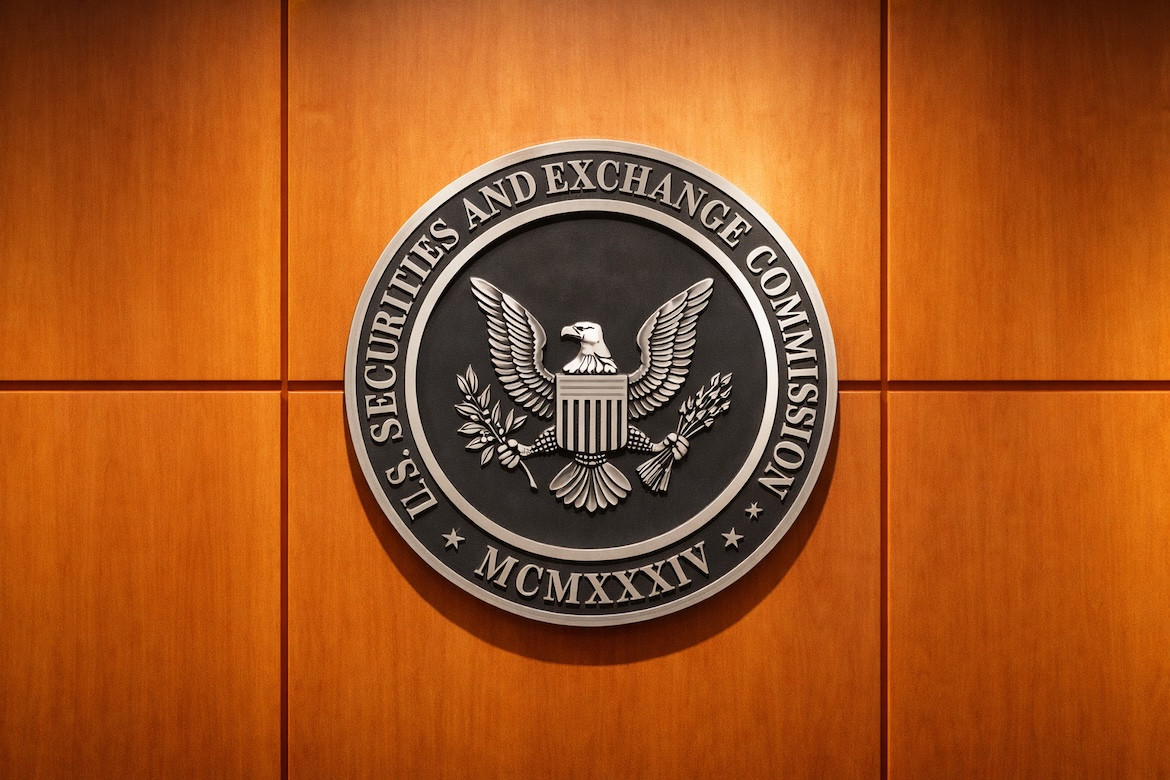
The U.S. Securities and Exchange Commission is reportedly preparing a new regulatory framework that could allow tokenized versions of stocks to trade on cryptocurrency platforms, potentially transforming how U.S. equity markets operate.
According to reports, regulators are developing an “innovation exemption” designed to permit digital representations of traditional securities to be traded through blockchain-based infrastructure.
The proposal would mark one of the most significant regulatory steps yet toward integrating crypto technology directly into mainstream financial markets.
Analysts say the initiative could fundamentally alter the structure of U.S. stock trading if widely adopted.
Tokenized Securities Gain Regulatory Momentum
Tokenized stocks are blockchain-based digital assets designed to mirror the value and ownership rights of traditional equities.
Supporters argue that tokenization could improve market efficiency, lower transaction costs, enable 24-hour trading, and expand global access to U.S. financial markets.
The SEC’s reported approach suggests regulators may be increasingly open to allowing crypto infrastructure to coexist alongside traditional exchanges and brokerage systems.
The move also reflects broader efforts by U.S. policymakers to establish clearer rules for digital assets following years of regulatory uncertainty across the crypto industry.
Analysts note that tokenized securities could eventually allow stocks to trade similarly to cryptocurrencies, potentially changing settlement systems, custody models, and market accessibility.
Several crypto firms and financial technology companies have already been exploring tokenized equity products, though regulatory limitations have restricted broader adoption in the United States.
Potential Shift for Wall Street and Crypto Markets
If implemented, the framework could create one of the largest intersections yet between traditional finance and blockchain technology.
The proposal may significantly benefit cryptocurrency exchanges, tokenization platforms, and fintech firms seeking to expand into equity trading infrastructure.
At the same time, traditional exchanges and brokerage firms could face growing competition from blockchain-native trading systems capable of operating continuously outside standard market hours.
Critics, however, warn that tokenized equities may introduce new regulatory, cybersecurity, and liquidity risks if oversight frameworks remain underdeveloped.
Market participants are also closely watching how regulators will address investor protections, settlement guarantees, and interoperability between blockchain systems and traditional clearing infrastructure.
Still, investor interest in tokenized real-world assets has accelerated rapidly as financial institutions increasingly explore blockchain-based trading and settlement technologies.
The broader takeaway is that U.S. regulators may be preparing for a future where blockchain infrastructure becomes directly embedded into the core architecture of American capital markets.