HIVE Digital shares jumped 40% after subsidiary BUZZ HPC unveiled plans for a C$3.5 billion AI gigafactory in the Greater Toronto Area with 320 MW capacity.
By David Sinclair | Edited by Oleg Petrenko
Published:
HIVE Digital shares surged 40% after its subsidiary BUZZ HPC announced plans for a C$3.5 billion AI gigafactory in the Greater Toronto Area with 320 MW of capacity. Photo: HIVE Digital / Facebook
HIVE Digital Technologies shares surged roughly 35% after the company announced plans to build a 320-megawatt artificial intelligence gigafactory in the Greater Toronto Area.
The project, led through HIVE subsidiary BUZZ HPC, represents one of the company’s largest strategic moves beyond cryptocurrency mining and into AI infrastructure development.
HIVE previously focused primarily on Bitcoin mining operations but became one of the earliest crypto-related firms to aggressively pivot toward artificial intelligence computing and high-performance data center infrastructure.
Crypto Miners Pivot Toward AI Infrastructure
The planned Toronto facility is expected to support large-scale AI workloads and cloud computing services as global demand for compute capacity continues accelerating.
Analysts note that many cryptocurrency mining companies are increasingly repurposing existing infrastructure, power agreements, and data center expertise toward AI-related applications.
The shift reflects how artificial intelligence has become a significantly more attractive long-term growth market than traditional crypto mining for several infrastructure operators.
HIVE’s AI strategy has gained investor attention as companies race to secure energy-intensive computing capacity required for advanced AI model training and deployment.
The project reportedly carries an estimated value of approximately C$3.5 billion and positions HIVE among a growing group of firms building dedicated AI infrastructure facilities.
AI Boom Continues Reshaping Markets
The rally in HIVE shares highlights how investor enthusiasm around AI infrastructure is spreading well beyond traditional semiconductor companies.
Markets have increasingly rewarded firms capable of supplying computing power, data center capacity, and energy infrastructure tied to artificial intelligence growth.
At the same time, the move underscores the convergence between the cryptocurrency mining industry and AI computing, both of which rely heavily on access to electricity, GPUs, and large-scale server infrastructure.
Analysts say companies able to transition effectively from crypto mining into AI infrastructure may benefit from stronger long-term demand and more stable enterprise revenue streams.
Still, the sector remains highly capital-intensive, with success dependent on securing sufficient power, hardware supply, and long-term customer contracts.
The broader takeaway is that the artificial intelligence boom is rapidly reshaping entire industries, turning former crypto mining firms into major players in the race for global computing infrastructure.
Ryanair said it has contingency plans for an ‘armageddon scenario’ as soaring jet fuel costs threaten weaker European airlines.
By Nathan Cole | Edited by Oleg Petrenko
Published:
Ryanair said it has prepared contingency plans for an 'armageddon scenario' as surging jet fuel prices put weaker European airlines under pressure. Photo: Lucas Davies / Unsplash
Ryanair warned that weaker European airlines may not survive the ongoing jet fuel crisis as soaring energy costs continue pressuring the aviation sector.
The company said it has contingency plans prepared for what executives described as a potential “armageddon scenario” if fuel market disruptions worsen further.
Ryanair’s comments come as airlines across Europe face rising operational costs tied to higher oil prices and continued instability in global energy markets.
Fuel Prices Pressure European Aviation
The airline industry has been increasingly affected by elevated jet fuel prices following geopolitical tensions and ongoing disruptions in global energy supply chains.
Ryanair executives said financially weaker carriers could face severe liquidity pressure if fuel costs remain elevated for an extended period.
Analysts note that low-cost airlines with stronger balance sheets and fuel hedging strategies may be better positioned to weather prolonged volatility compared with smaller regional competitors.
The warning also reflects broader concerns about inflationary pressures spreading through transportation, logistics, and consumer travel markets.
Higher fuel costs have already forced several airlines to raise ticket prices, reduce routes, or reassess expansion plans across Europe.
Industry Consolidation Risks Increase
Ryanair’s remarks have fueled expectations that the current energy shock could accelerate consolidation within the European airline industry.
Companies with stronger cash reserves and operational scale may gain market share if smaller rivals struggle to absorb higher costs.
At the same time, investors are closely monitoring how sustained oil price volatility could affect travel demand and airline profitability heading into peak seasonal travel periods.
The comments also underscore how energy markets remain a central risk factor for transportation companies worldwide as geopolitical tensions continue influencing commodity prices.
Despite the warnings, Ryanair said it remains operationally prepared for severe market conditions due to its scale, cost structure, and fuel management strategy.
The broader takeaway is that the global energy crisis is increasingly reshaping competitive dynamics across industries, with transportation and aviation among the sectors facing the greatest immediate pressure.
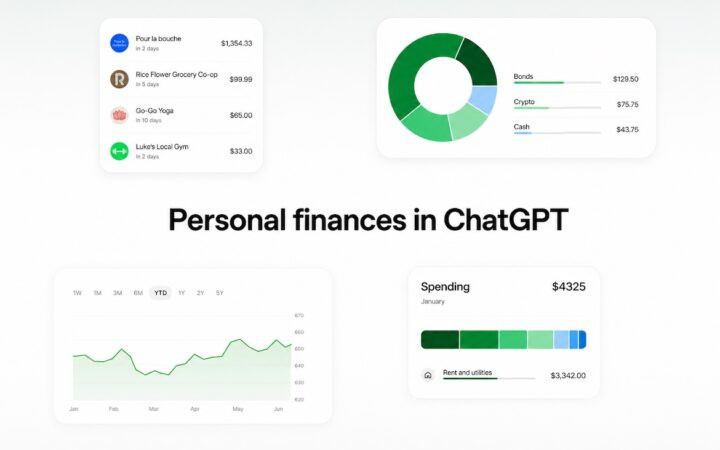
OpenAI introduced ChatGPT Finance, a new feature allowing users to connect bank accounts and manage personal finances through AI-powered tools available to Pro subscribers.
By Oleg Petrenko
Published:
Updated:
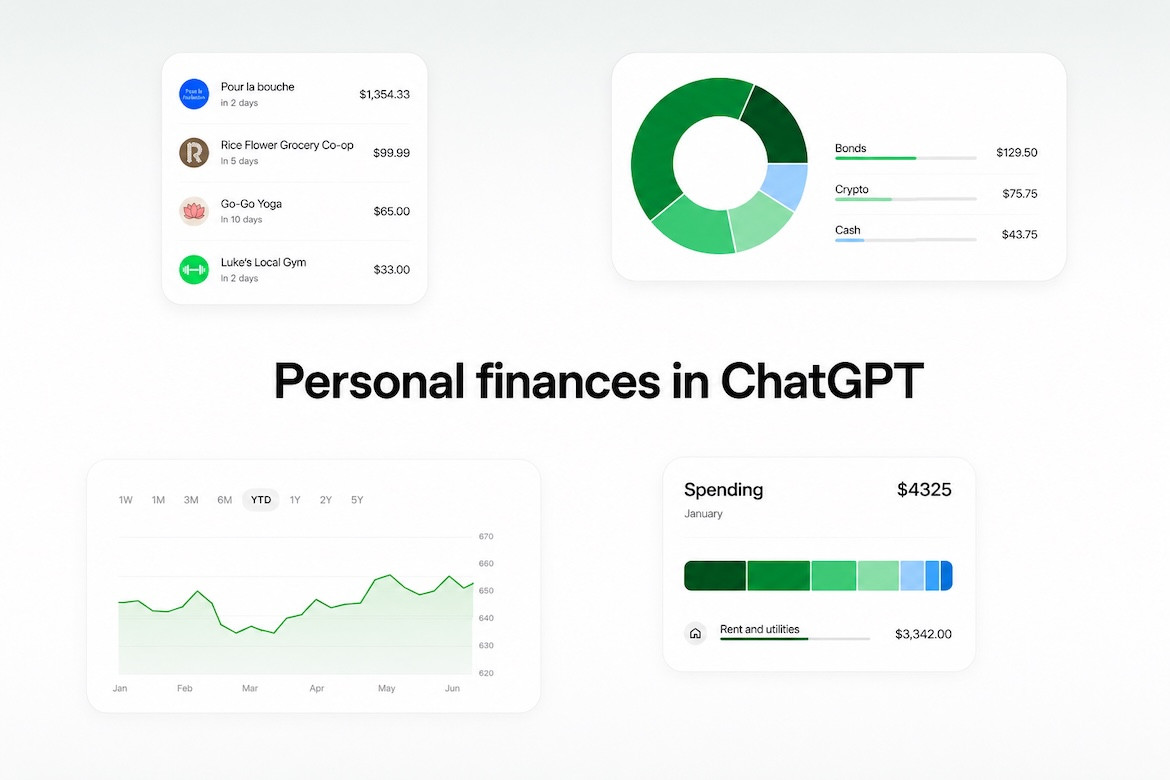
OpenAI launched ChatGPT Finance, a new feature that lets users connect bank accounts and manage personal finances using AI-powered tools available to Pro subscribers. Photo: OpenAI
OpenAI launched ChatGPT Finance, a new AI-powered personal finance service that allows users to connect bank accounts and manage financial activity directly inside ChatGPT.
The feature is currently available only to U.S. subscribers of ChatGPT Pro, which costs $200 per month.
According to OpenAI, the platform enables users to securely integrate financial accounts and receive personalized insights, budgeting assistance, portfolio tracking, and financial planning recommendations based on their individual financial data and goals.
AI Expands Into Consumer Financial Services
The launch marks one of OpenAI’s most significant moves into consumer financial technology as artificial intelligence companies increasingly compete to integrate AI assistants into daily life and financial decision-making.
The service reportedly uses integrations with financial connectivity platforms to access banking and investment data while generating AI-driven financial guidance tailored to each user’s financial profile.
OpenAI said the system is designed to help users track spending, monitor investments, organize budgets, and receive contextual financial insights through natural-language interactions.
Analysts note that the expansion into finance positions ChatGPT more directly against traditional budgeting apps, robo-advisors, and digital banking tools.
The move also reflects the growing trend of AI becoming embedded into productivity, commerce, and financial ecosystems beyond simple chatbot functionality.
Privacy and Competition Become Key Focus
The launch is likely to intensify debates around data privacy, financial security, and the growing role of artificial intelligence in managing sensitive personal information.
OpenAI emphasized that the financial experience is grounded in user-specific goals and priorities, though analysts expect scrutiny around how financial data is processed, stored, and protected.
The premium pricing model also suggests OpenAI is targeting affluent users and professionals willing to pay for advanced AI-powered financial planning tools.
Competition in AI-driven finance is expected to accelerate as technology companies race to integrate artificial intelligence into banking, investing, payments, and wealth management services.
At the same time, regulators globally are increasingly examining how AI systems interact with financial products, consumer advice, and personal data protection.
The broader takeaway is that artificial intelligence is rapidly evolving from a productivity tool into a central platform for managing everyday financial decisions, potentially reshaping the future of digital banking and personal finance.
Berkshire Hathaway disclosed major portfolio changes in its latest 13F filing, adding to Alphabet and Delta Air Lines while fully exiting positions including Visa, Mastercard, and Amazon.
By Daniel Wright | Edited by Oleg Petrenko
Published:
Berkshire Hathaway revealed major portfolio changes in its latest 13F filing, increasing stakes in Alphabet and Delta Air Lines while fully exiting investments including Visa, Mastercard, and Amazon. Photo: Oleg Petrenko / MarketSpeaker
Berkshire Hathaway revealed sweeping portfolio changes in its latest first-quarter 2026 13F filing, including major new investments in airlines and technology while exiting several high-profile holdings.
The investment conglomerate led by Warren Buffett disclosed new positions in Delta Air Lines worth approximately $2.6 billion, Alphabet Class C shares valued near $1 billion, and a smaller position in Macy’s worth roughly $55 million.
Berkshire also sharply increased its existing Alphabet stake by 204%, bringing the total position to approximately $15.6 billion.
Technology and Media Exposure Expands
The filing showed Berkshire nearly tripled its holdings in The New York Times Company while significantly increasing exposure to homebuilder Lennar.
The aggressive expansion into Alphabet suggests Berkshire is becoming increasingly comfortable with artificial intelligence, cloud computing, and digital advertising exposure after years of relatively cautious positioning toward large-cap technology firms.
Analysts note that Alphabet’s growing role in AI infrastructure and cloud services may have strengthened its appeal to Berkshire’s investment team.
At the same time, Berkshire significantly reduced several cyclical and commodity-linked holdings, including cuts to Constellation Brands, Nucor, and Chevron.
The moves indicate a broader repositioning toward technology, media, and selective consumer-facing businesses while reducing exposure to industrial and commodity-sensitive sectors.
Major Exits Signal Strategic Shift
One of the biggest surprises in the filing was Berkshire’s complete exit from several major financial and consumer holdings.
The company fully sold positions in Visa valued at approximately $2.9 billion and Mastercard worth around $2.3 billion.
Berkshire also exited stakes in Amazon, UnitedHealth Group, Domino’s Pizza, and several additional holdings.
Meanwhile, the company left its massive Apple position unchanged at 227.9 million shares, maintaining one of Berkshire’s largest core investments.
The filing suggests Berkshire may be rotating capital toward sectors it views as offering stronger long-term valuation opportunities while maintaining significant exposure to dominant technology franchises.
The broader takeaway is that Berkshire Hathaway continues adjusting its portfolio around shifting economic conditions, AI-driven market leadership, and evolving sector dynamics while maintaining a cautious approach toward elevated valuations.
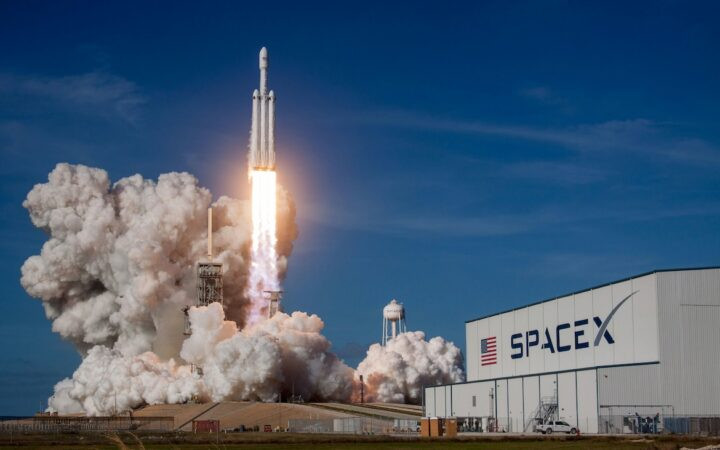
SpaceX has reportedly chosen Nasdaq for its anticipated IPO, which could take place as early as June 11 with shares expected to trade under the ticker SPCX.
By Sophia Reynolds | Edited by Oleg Petrenko
Published:
SpaceX has reportedly selected Nasdaq for its long-awaited IPO, which could launch as early as June 11 with shares expected to trade under the ticker SPCX. Photo: Gage Skidmore / Wikimedia
SpaceX has reportedly selected the Nasdaq exchange for its long-anticipated initial public offering, with the IPO potentially scheduled for June 11 and trading expected to begin the following day under the ticker SPCX.
The listing would mark one of the most closely watched public offerings in financial market history as investor demand for artificial intelligence, aerospace, and infrastructure-related companies continues accelerating.
SpaceX has become one of the world’s most valuable private companies due to its dominance in reusable rockets, satellite internet services, and next-generation space transportation systems.
Investor Interest Intensifies Ahead of Listing
Markets have speculated about a potential SpaceX IPO for years, though the company previously remained focused on private financing rounds.
Investor enthusiasm surrounding the listing has intensified amid the broader AI and infrastructure investment boom, with many traders viewing SpaceX as a strategic leader in satellite communications, launch systems, and future orbital computing infrastructure.
The company’s Starlink satellite business has become a major growth engine, while Starship development continues positioning SpaceX at the center of future lunar, Mars, and heavy-lift launch markets.
Analysts note that the IPO could attract enormous institutional demand given SpaceX’s unique position at the intersection of aerospace, communications, AI infrastructure, and defense technology.
The expected ticker symbol SPCX has already generated significant discussion across financial markets and retail trading communities.
Potentially Historic IPO for U.S. Markets
A public listing would likely rank among the largest technology IPOs ever completed, potentially reshaping benchmark indices and investor exposure to the aerospace sector.
Some strategists believe the offering could further intensify momentum across speculative growth stocks, particularly within AI, semiconductors, and space-related industries.
At the same time, analysts caution that valuations surrounding high-profile private technology firms have risen sharply amid aggressive investor optimism tied to artificial intelligence and infrastructure expansion.
SpaceX’s potential debut also arrives during a period of heightened competition in launch systems, satellite internet, and orbital computing initiatives as governments and corporations increase investment into space-based infrastructure.
For Nasdaq, securing the listing would represent a major victory in the competition for blockbuster technology IPOs.
The broader takeaway is that SpaceX has evolved far beyond a traditional aerospace company, becoming one of the defining infrastructure and technology firms of the modern AI-driven economy.
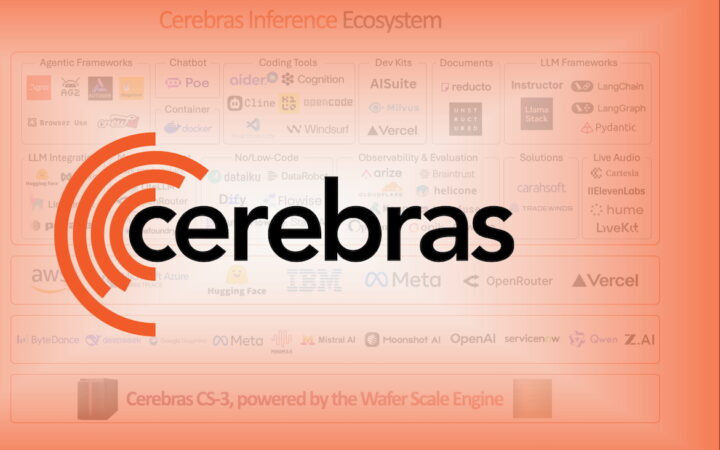
Cerebras shares jumped 70% in their market debut after the AI chipmaker completed the largest U.S. IPO of the year amid intense investor demand.
By Sophia Reynolds | Edited by Oleg Petrenko
Published:
Cerebras shares surged 70% in their trading debut after the AI chipmaker completed the largest U.S. IPO of the year amid overwhelming investor demand. Photo: cerebras
Cerebras Systems shares surged approximately 70% during their first trading session after the company completed the largest IPO in the United States this year.
The strong debut reinforced investor appetite for artificial intelligence infrastructure companies, particularly firms viewed as potential alternatives to Nvidia in the rapidly expanding AI hardware market.
Cerebras recently raised $5.55 billion in its public offering, valuing the company at roughly $56 billion after pricing shares above the expected range.
The company develops wafer-scale AI processors designed for large-scale machine learning workloads and advanced AI model training.
AI Partnerships Fuel Investor Optimism
Investor enthusiasm has been supported by Cerebras’ growing relationships with major artificial intelligence companies and cloud providers.
The company already has agreements with firms including OpenAI and Amazon, both of which are reportedly expanding use of Cerebras hardware and AI infrastructure.
Analysts say demand for alternative AI chip suppliers has intensified as enterprises seek to diversify away from heavy dependence on Nvidia’s accelerators.
The AI boom has dramatically increased spending on semiconductors, cloud infrastructure, and data center capacity, creating significant opportunities for emerging hardware firms.
Cerebras has positioned itself as a company capable of delivering faster and potentially more cost-efficient AI computing systems compared with traditional chip architectures.
Rejected Buyout Highlights Growth Expectations
The IPO also revealed how aggressively major technology investors are pursuing AI infrastructure assets.
According to reports, SoftBank Group and Arm Holdings approached Cerebras with an acquisition proposal just weeks before the public offering.
Cerebras reportedly rejected the offer, signaling management’s confidence in the company’s long-term growth potential as a standalone public company.
The move reflects broader expectations that demand for AI chips could continue accelerating for years as artificial intelligence adoption expands globally.
Some analysts caution that valuations across AI-related companies are becoming increasingly elevated following massive rallies in semiconductor stocks and AI infrastructure firms.
Still, investor momentum remains firmly concentrated around artificial intelligence, with capital continuing to flow aggressively into companies tied to computing power and data infrastructure.
The broader takeaway is that AI semiconductors have become one of the most sought-after sectors in global equity markets, driving record IPO demand and intensifying competition among technology giants and investors.
AI chipmaker Cerebras priced its IPO at $185 per share, raising $5.55 billion and valuing the company at roughly $56 billion amid overwhelming investor demand.
By Sophia Reynolds | Edited by Oleg Petrenko
Published:
AI chipmaker Cerebras priced its IPO at $185 per share, raising $5.55 billion and giving the company an approximate $56 billion valuation amid massive investor demand. Photo: Cerebras / X
Cerebras Systems priced its initial public offering at $185 per share, above an already raised expected range, as investor demand for artificial intelligence infrastructure companies continued accelerating across financial markets.
The AI chipmaker sold 30 million shares and raised approximately $5.55 billion in the offering, giving the company a fully diluted valuation of roughly $56 billion.
According to reports, investor demand exceeded the available share allocation by nearly 20 times, making the listing one of the most heavily oversubscribed technology IPOs in recent years.
The offering is currently the largest IPO of 2026 and adds to growing enthusiasm surrounding companies tied to AI computing infrastructure.
AI Chip Competition Intensifies
Cerebras has positioned itself as a challenger to Nvidia in the rapidly expanding AI hardware market.
The company develops wafer-scale AI processors designed to handle large language model training and advanced AI workloads with higher speed and efficiency compared to traditional chip architectures.
Management claims the company’s systems can outperform competing AI accelerators while lowering operating costs for enterprise and cloud customers.
Investor interest intensified earlier this year after reports that OpenAI purchased approximately $20 billion worth of Cerebras hardware and infrastructure services.
The IPO highlights how demand for AI chips and computing power continues to reshape global capital markets, with investors aggressively pursuing exposure to semiconductor and AI infrastructure companies.
Wall Street Prepares for AI IPO Wave
The success of the Cerebras offering is expected to increase momentum for additional AI-related IPOs later this year.
Analysts say the listing reflects extraordinary investor appetite for companies positioned at the center of the AI computing boom, particularly firms tied to semiconductors, cloud infrastructure, and advanced data center technologies.
At the same time, some strategists warn that valuations across the AI sector are becoming increasingly aggressive as capital floods into a relatively small group of companies.
Still, market enthusiasm remains exceptionally strong as enterprises, governments, and cloud providers continue investing billions into artificial intelligence systems and infrastructure.
The IPO also reinforces the growing importance of semiconductor supply chains in the global economy, where computing power is increasingly viewed as a strategic asset.
The broader takeaway is that artificial intelligence has become the dominant force in global equity markets, driving record capital flows, soaring valuations, and the largest technology listings of the year.
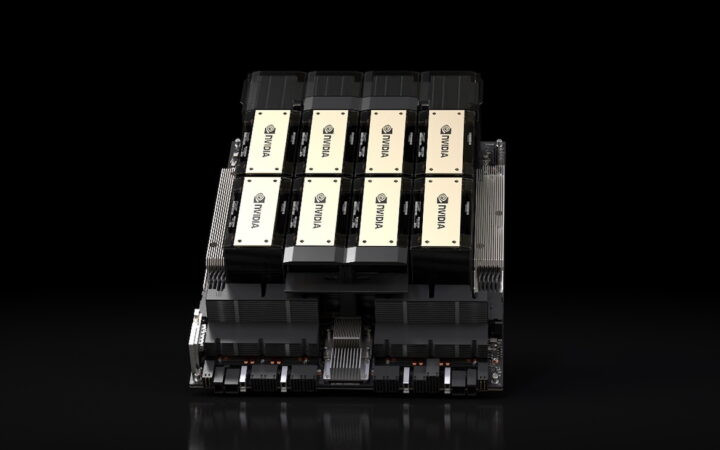
The United States approved sales of Nvidia H200 AI chips to several major Chinese technology companies, though broader geopolitical tensions continue limiting shipments.
By Benjamin Harper | Edited by Oleg Petrenko
Published:
Updated:
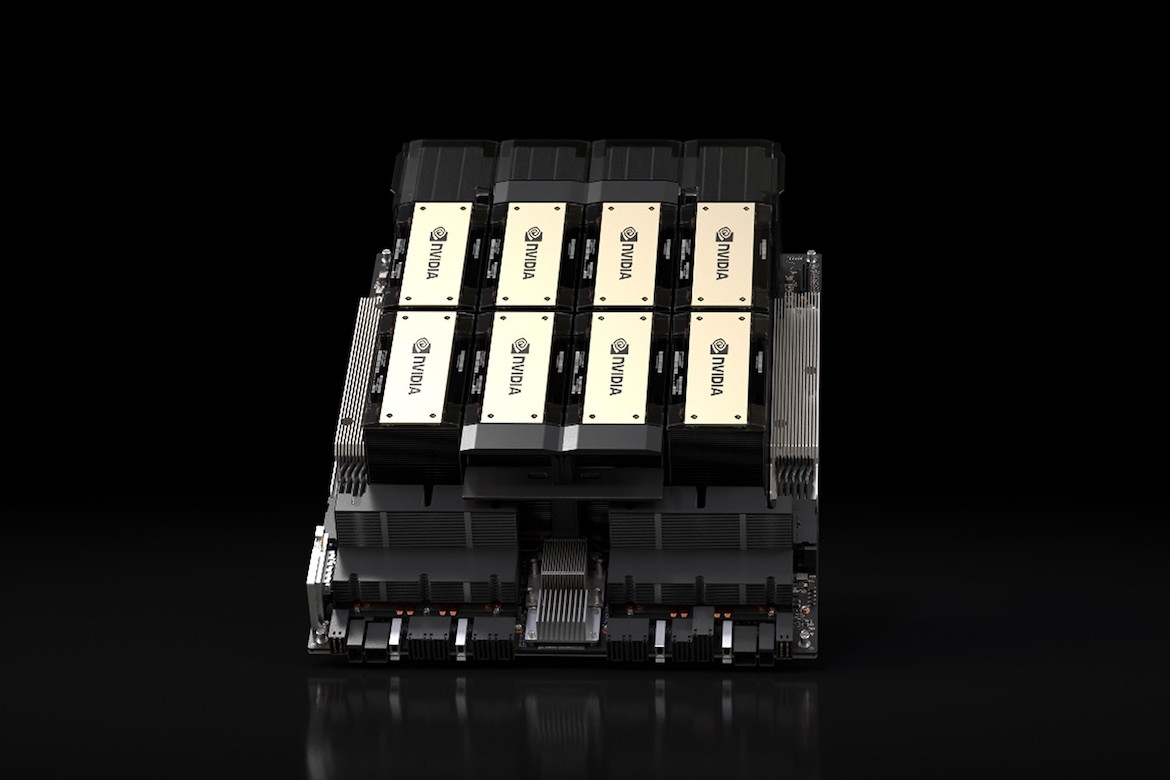
The United States approved Nvidia H200 AI chip sales to several major Chinese tech companies, although broader geopolitical tensions continue to restrict shipments. Photo: Nvidia
Nvidia received approval from U.S. authorities to sell H200 artificial intelligence chips to several major Chinese technology firms, marking a significant development in the ongoing semiconductor rivalry between Washington and Beijing.
According to reports, companies including Alibaba, Tencent, and ByteDance could each gain access to as many as 75,000 H200 accelerators under the new framework.
However, despite the approvals, actual deliveries remain highly uncertain as China continues intensifying efforts to reduce reliance on American semiconductor technology.
China Pushes Domestic AI Alternatives
Beijing has increasingly promoted domestic AI and semiconductor ecosystems in response to export controls and rising geopolitical tensions with the United States.
Chinese technology firms are now under pressure to adopt local hardware solutions, including products developed by Huawei and other domestic semiconductor suppliers.
Analysts note that while the H200 approvals may temporarily ease supply constraints for Chinese AI developers, long-term market dynamics remain heavily influenced by strategic competition between the two countries.
The developments come as Nvidia CEO Jensen Huang traveled to Beijing in an apparent effort to stabilize relationships with Chinese customers and preserve Nvidia’s position within one of the world’s largest AI markets.
China remains a critical revenue source for Nvidia despite ongoing export restrictions affecting advanced semiconductors and AI infrastructure.
AI and Semiconductor Tensions Remain Central
The approval highlights the increasingly delicate balance U.S. policymakers are attempting to maintain between national security concerns and commercial interests.
Washington has continued tightening restrictions on advanced AI chips while simultaneously allowing certain lower-tier products and controlled exports to proceed under regulatory oversight.
For Nvidia, preserving access to China remains strategically important as global demand for AI accelerators continues expanding rapidly.
Investors are closely watching how export policy may evolve, particularly as semiconductors become increasingly central to global economic competition and artificial intelligence development.
At the same time, China’s push toward technological self-sufficiency continues accelerating investment into domestic chip manufacturing and AI infrastructure.
The broader takeaway is that semiconductors have become one of the most strategically important industries in the world, sitting at the center of the growing geopolitical and technological competition between the United States and China.
Cisco plans to cut 4,000 jobs as part of an AI-driven business transformation after reporting stronger-than-expected earnings and raising its outlook.
By Emma Clarke | Edited by Oleg Petrenko
Published:
Cisco plans to eliminate 4,000 jobs as part of an AI-focused business transformation after posting stronger-than-expected earnings and lifting its guidance. Photo: Cisco / X
Cisco announced plans to eliminate approximately 4,000 jobs as the company accelerates a major business transformation centered around artificial intelligence and cloud infrastructure.
The restructuring announcement came alongside stronger-than-expected quarterly earnings, with Cisco also raising its financial guidance as demand for AI-related networking products continued to grow.
Cisco reported fiscal third-quarter revenue of approximately $15.84 billion, up 12% year-over-year, while forecasting fourth-quarter revenue between $16.7 billion and $16.9 billion – above analyst expectations.
Shares surged sharply following the report as investors responded positively to the stronger outlook and the company’s expanding AI strategy.
AI Infrastructure Becomes Core Growth Driver
Cisco said artificial intelligence has become a central growth engine for the business as enterprises increase spending on networking infrastructure capable of supporting AI workloads and data-intensive computing.
The company has been expanding aggressively into AI networking, cybersecurity, cloud connectivity, and data center systems as demand for high-speed infrastructure accelerates globally.
Management indicated that the workforce reductions are part of a broader effort to streamline operations and reallocate resources toward higher-growth AI-related segments.
Analysts note that networking companies are increasingly benefiting from the AI boom as advanced computing systems require significantly more bandwidth, security, and data center connectivity.
Cisco’s improving outlook suggests enterprise technology spending remains resilient despite broader concerns around inflation, interest rates, and global economic uncertainty.
Tech Industry Restructuring Continues
The layoffs also reflect a broader trend across the technology sector, where companies are simultaneously investing heavily in AI while reducing costs in slower-growing business units.
Artificial intelligence is reshaping workforce strategies throughout Silicon Valley as companies seek to improve efficiency and redirect capital toward automation and infrastructure expansion.
Investors largely viewed Cisco’s restructuring as a positive sign of operational discipline, particularly as AI-related demand continues generating strong revenue growth opportunities.
At the same time, the job cuts underscore how rapidly AI adoption is changing corporate priorities across enterprise technology markets.
Analysts believe Cisco’s position in networking infrastructure could make the company an increasingly important beneficiary of long-term AI investment trends, particularly as hyperscale cloud providers and corporations expand computing capacity.
The broader takeaway is that artificial intelligence is no longer influencing only software and semiconductors it is now reshaping workforce structures, enterprise spending, and business models across the entire technology industry.
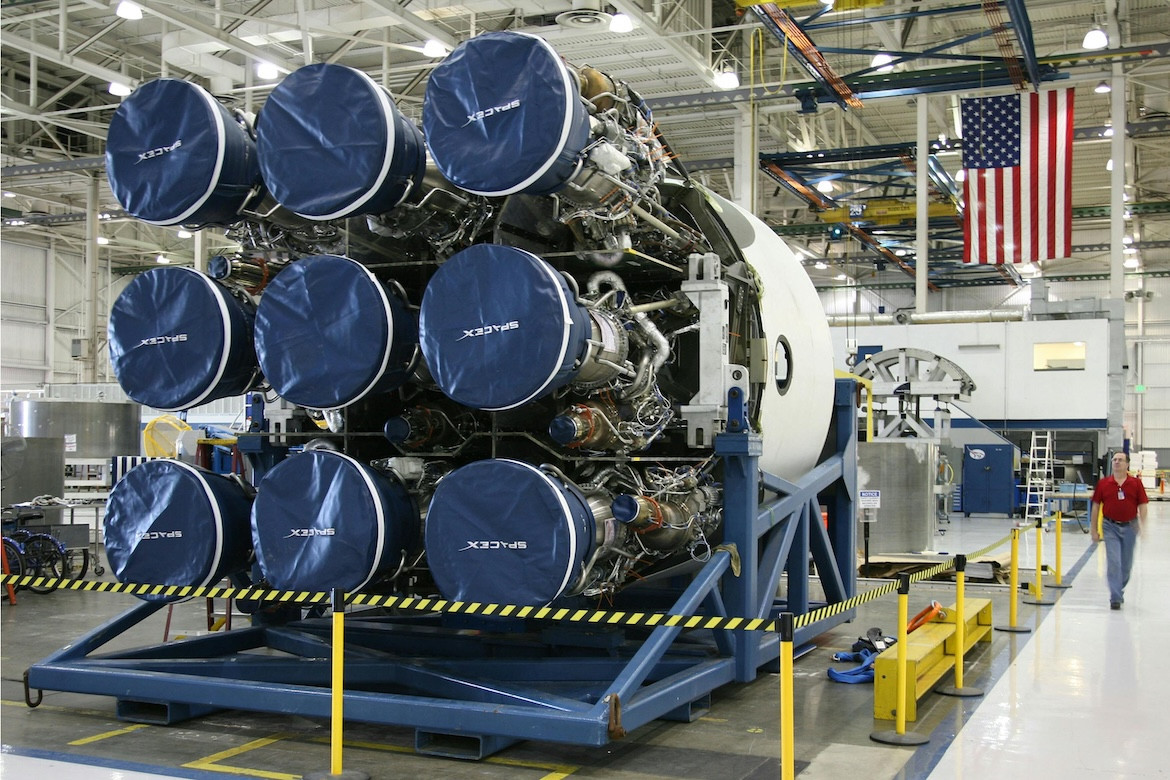
SpaceX introduced the third generation of its Starship system featuring upgraded Raptor 3 engines and a redesigned launch architecture, while pre-IPO pricing on Hyperliquid fell 7%.
By Michael Foster | Edited by Oleg Petrenko
Published:
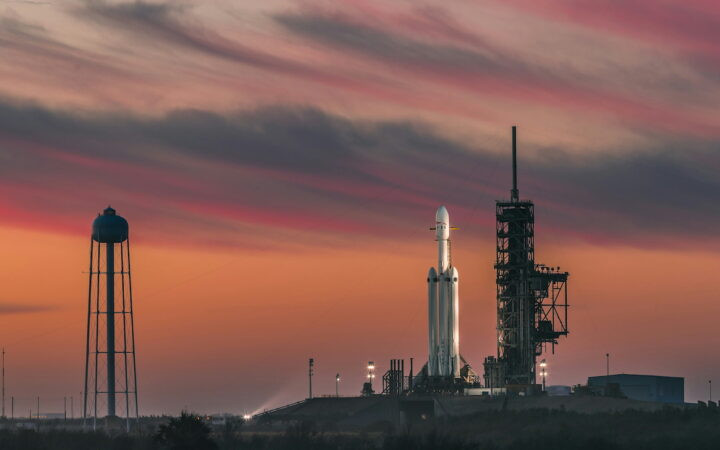
SpaceX unveiled the third generation of its Starship system with upgraded Raptor 3 engines and a redesigned launch platform, while its pre-IPO valuation on Hyperliquid dropped 7%. Photo: SpaceX / Pexels
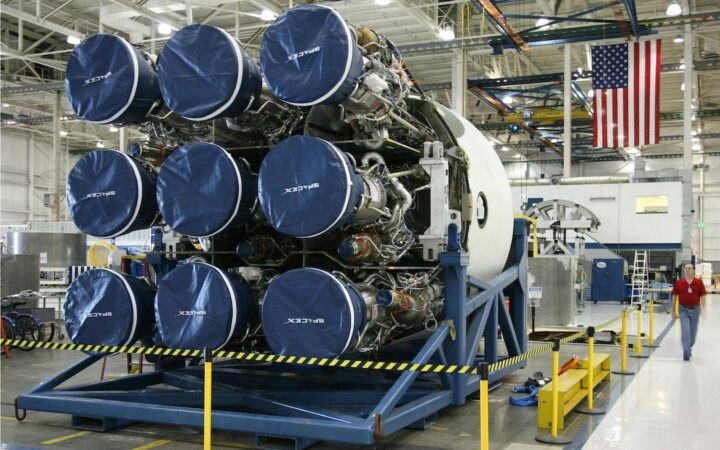
SpaceX unveiled Starship V3, the latest generation of its heavy-lift rocket system, introducing major upgrades to engines, structural design, and launch infrastructure as the company continues pushing toward large-scale space transportation.
The updated platform features next-generation Raptor 3 engines, a redesigned vehicle structure, and an overhauled launch complex intended to improve reliability, payload efficiency, and operational cadence.
The announcement comes as SpaceX remains central to the rapidly expanding commercial space and satellite economy, while also positioning Starship as a critical component for future lunar missions, Mars ambitions, and orbital infrastructure deployment.
Starship V3 Expands SpaceX Ambitions
SpaceX described Starship V3 as a significant engineering evolution compared with previous versions of the launch system.
The new Raptor 3 engines are expected to provide greater thrust efficiency and lower maintenance requirements, helping improve reusability — one of the company’s core long-term cost reduction strategies.
The upgraded design also supports larger payload capacity, an increasingly important factor as demand grows for satellite launches, AI-related orbital infrastructure, and deep-space missions.
Analysts note that Starship’s future commercial potential extends beyond traditional aerospace applications, especially as companies begin exploring orbital data centers and space-based computing infrastructure tied to artificial intelligence growth.
The launch system is also expected to play a major role in NASA programs and future commercial partnerships involving lunar and interplanetary transportation.
Pre-IPO Valuation Pulls Back
Despite the technological announcement, SpaceX-related pre-IPO pricing on Hyperliquid reportedly declined around 7% over the past 24 hours.
The decline may reflect broader volatility across highly valued private technology companies as investors reassess risk after months of aggressive AI-driven market rallies.
Some traders also pointed to concerns around development costs, execution timelines, and the substantial capital expenditures required to scale Starship operations globally.
Still, investor sentiment surrounding SpaceX remains broadly positive due to the company’s dominant position in launch services, satellite internet, and reusable rocket technology.
The unveiling of Starship V3 reinforces SpaceX’s strategy of aggressively expanding technological capabilities while preparing for future growth in both terrestrial and orbital infrastructure markets.
The broader takeaway is that space infrastructure is increasingly intersecting with artificial intelligence, cloud computing, and global communications, turning aerospace platforms into critical components of the next technology cycle.
A remote IT professional said he earns roughly $746,000 annually while simultaneously working five jobs, highlighting how AI and remote work are reshaping white-collar employment.
By Emma Clarke | Edited by Oleg Petrenko
Published:
Updated:
A remote IT worker said he earns about $746,000 a year by simultaneously holding five jobs, highlighting how AI and remote work are transforming white-collar employment. Photo: olia danilevich / Pexels
A millennial IT worker says he earns approximately $746,000 per year by secretly holding five remote jobs at the same time, underscoring how artificial intelligence and flexible work structures are reshaping the modern tech industry.
The worker, identified only as Damien, reportedly starts his day before sunrise and manages responsibilities across companies operating in different time zones. Despite maintaining five positions simultaneously, he says his workday typically ends by 5 p.m. and rarely exceeds 10 to 11 hours.
According to Damien, companies often overestimate the actual workload required for many remote technology roles, leaving significant unused capacity during the workday.
AI and Remote Work Change Employment Dynamics
The story reflects a broader trend known as “overemployment,” where remote workers secretly maintain multiple full-time jobs simultaneously.
Damien said artificial intelligence tools now handle a substantial portion of his workload, while much of the remaining time is spent in meetings and coordination rather than intensive technical work.
The rise of generative AI has significantly increased productivity across parts of the technology sector, allowing some employees to automate coding, documentation, and administrative tasks.
At the same time, remote work has reduced direct oversight in many white-collar industries, creating opportunities for workers to manage multiple employers simultaneously.
The financial impact has been substantial for Damien’s family. He said the additional income allowed his wife to leave her job, helped them purchase a vehicle, and provided years’ worth of financial security.
Ethical Questions Emerge Around Overemployment
Despite the financial success, Damien acknowledged feeling increasingly conflicted as layoffs spread across the technology industry.
He said seeing other workers struggle to find employment while he occupies five positions simultaneously has created a sense of guilt, particularly as many companies continue reducing headcount.
The story highlights growing tension within the modern labor market, where AI-driven productivity gains and remote work flexibility are creating new opportunities for some workers while increasing uncertainty for others.
Analysts note that overemployment remains controversial. Critics argue it can create conflicts of interest and reduce opportunities for job seekers, while supporters view it as a rational response to corporate labor practices and economic insecurity.
Damien said he is now investing heavily in real estate and considering launching his own business, adding that accumulating additional income eventually becomes less meaningful over time.
The broader takeaway is that artificial intelligence and remote work are not only transforming corporate productivity, but also fundamentally reshaping how employees approach careers, income generation, and financial independence.
Nvidia’s market capitalization climbed to roughly $5.5 trillion, exceeding the GDP of every country except the United States and China as shares hit fresh record highs.
By Sophia Reynolds | Edited by Oleg Petrenko
Published:
Nvidia’s market value surged to around $5.5 trillion, surpassing the GDP of every nation except the United States and China as the stock reached new record highs. Photo: Stas Knop / Pexels
Nvidia reached a market capitalization of approximately $5.5 trillion, making the company more valuable than the gross domestic product of every country in the world except the United States and China.
The rally pushed Nvidia shares to a new all-time high as investor demand for artificial intelligence infrastructure continued accelerating across global markets.
Market sentiment was further boosted after Nvidia CEO Jensen Huang joined the U.S. delegation traveling with Donald Trump to China for high-level economic talks with President Xi Jinping.
AI Infrastructure Boom Continues Driving Nvidia
Nvidia remains the central beneficiary of the global AI investment surge, with demand for its data center GPUs continuing to outpace supply.
Technology companies, governments, and cloud providers are aggressively expanding AI infrastructure, fueling massive spending on semiconductors, data centers, and advanced computing systems.
The company’s dominance in AI accelerators has transformed Nvidia into one of the most influential firms in global financial markets, with its valuation now rivaling the economic output of major nations.
Analysts say Nvidia’s latest gains reflect expectations that AI spending could continue expanding for years as enterprises integrate artificial intelligence across industries.
Investor optimism has also been supported by growing hopes that U.S.-China trade negotiations could eventually ease restrictions affecting semiconductor exports and technology supply chains.
Valuation Milestone Raises Market Questions
Nvidia’s extraordinary valuation highlights the unprecedented concentration of market gains within a small group of AI-driven technology companies.
The company has become one of the primary drivers of U.S. equity indices, with its stock performance heavily influencing broader market sentiment.
Some analysts argue that Nvidia’s valuation reflects genuine structural demand tied to artificial intelligence infrastructure and long-term computing expansion.
Others caution that expectations embedded in AI-related stocks are becoming increasingly aggressive, raising concerns about market concentration and speculative excess.
Still, momentum across the AI sector remains exceptionally strong as investors continue prioritizing companies positioned at the center of the global computing boom.
The broader takeaway is that artificial intelligence is reshaping not only technology markets, but also the scale at which individual corporations influence the global economy and financial system.
Google introduced Googlebook, a new AI-focused laptop category powered by Gemini and Android 17, featuring contextual AI controls and natural-language desktop tools.
By Emma Clarke | Edited by Oleg Petrenko
Published:
Google unveiled Googlebook, a new AI-focused laptop platform powered by Gemini and Android 17, featuring contextual AI controls and natural-language workspace tools. Photo: Google
Google introduced Googlebook, a new category of laptops built around its Gemini artificial intelligence platform and powered by Android 17 with a desktop-focused interface.
The company positioned the devices as AI-native computers designed to integrate deeply with Google’s ecosystem of search, Gmail, calendar, and productivity services.
One of the headline features is “Magic Pointer” a contextual AI system that allows users to hover over objects on screen and receive intelligent actions suggested by Gemini.
For example, users can point at a date inside an email to instantly create a calendar meeting, or combine personal photos with online shopping images to generate virtual clothing try-ons.
Gemini Becomes Central to Laptop Experience
Googlebook represents one of Google’s most aggressive attempts yet to integrate generative AI directly into everyday computing workflows.
The operating system can also create personalized desktop widgets using natural-language prompts. Gemini is capable of automatically organizing information such as travel bookings, reminders, tickets, meetings, and messages into dynamic workspace layouts.
The move reflects a broader industry shift toward AI-centric operating systems, where artificial intelligence functions as an active layer across applications rather than a standalone assistant.
Analysts note that Googlebook could strengthen Google’s position in consumer AI by extending Gemini deeper into hardware and productivity ecosystems.
The launch also intensifies competition with Microsoft, Apple, and other technology companies racing to embed generative AI into operating systems and personal devices.
Major PC Manufacturers Join Googlebook Push
Hardware production for Googlebook devices will involve several major manufacturers, including Acer, ASUS, Dell, HP, and Lenovo.
Google said the devices will focus on premium materials and build quality, signaling an effort to compete more directly in the high-end laptop market.
The first Googlebook models are expected to launch this fall.
Investor attention remains heavily focused on how AI integration may reshape personal computing over the coming years. Companies capable of embedding AI deeply into hardware and operating systems are increasingly viewed as potential long-term winners in the next technology cycle.
The broader takeaway is that competition in artificial intelligence is rapidly expanding beyond cloud services and semiconductors into the core user experience of personal computing devices.
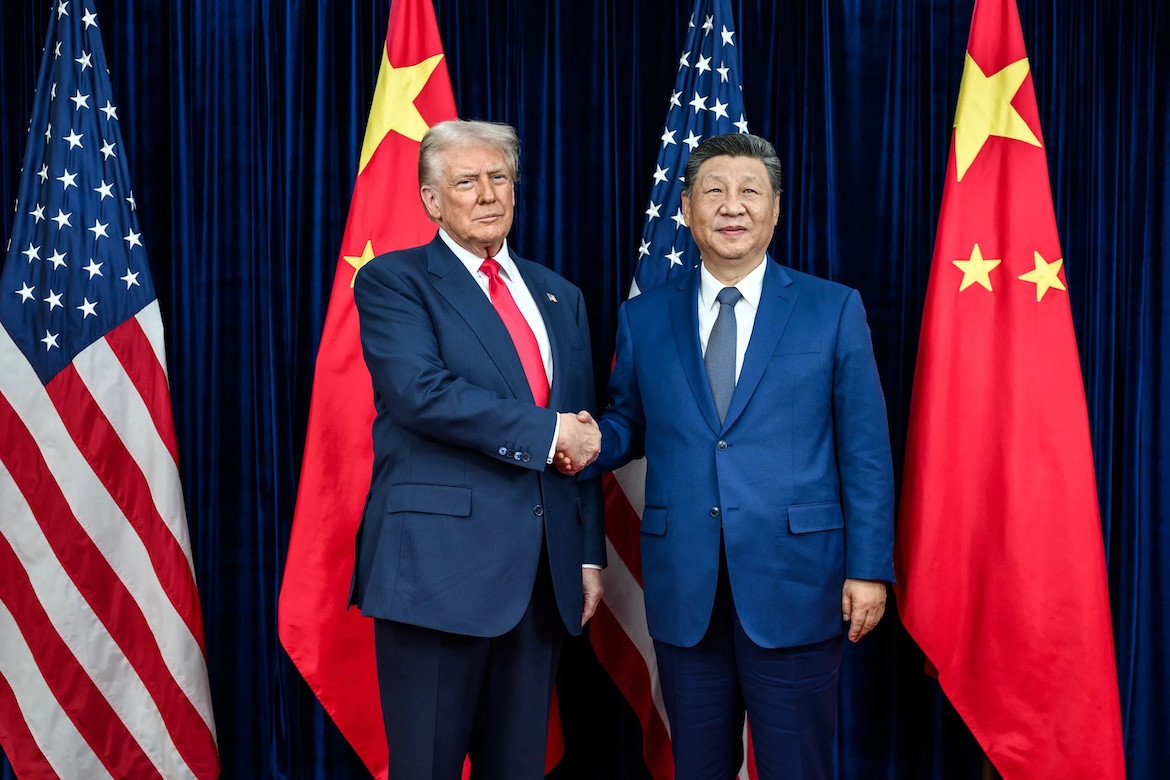
Donald Trump arrived in Beijing for a two-day summit with Xi Jinping focused on tariffs, semiconductors, AI restrictions, and broader U.S.-China economic relations.
By Benjamin Harper | Edited by Oleg Petrenko
Published:
Donald Trump arrived in Beijing for a two-day summit with Xi Jinping centered on tariffs, semiconductors, AI restrictions, and broader economic ties between the U.S. and China. Photo: The White House
Donald Trump arrived in Beijing for a two-day summit with Xi Jinping, marking Trump’s first visit to China since 2017 and setting the stage for what analysts describe as a major attempt to reset economic relations between the two countries.
The summit, scheduled for May 14 and 15, comes after years of escalating trade tensions that disrupted global supply chains, increased tariffs, and intensified competition over semiconductors and artificial intelligence technologies.
Reports indicate that the U.S. delegation includes several prominent corporate leaders, among them executives from Tesla, Apple, Nvidia, Boeing, Qualcomm, Micron, Goldman Sachs, BlackRock, Visa, Mastercard, and other major multinational firms.
Trade, AI, and Semiconductors Dominate Agenda
The meetings are expected to focus heavily on reducing tariffs imposed during the 2025 trade conflict, which reportedly pushed some duties as high as 57%.
Discussions are also expected to cover rare earth mineral supply agreements, semiconductor export restrictions, artificial intelligence policy, and broader access between U.S. and Chinese markets.
Technology and industrial companies have been particularly affected by rising geopolitical tensions between Washington and Beijing, especially around semiconductor manufacturing and advanced AI systems.
Analysts believe China may push for softer U.S. export controls on advanced chips and less aggressive policy toward Taiwan, while the U.S. side is expected to prioritize supply chain stability and market access for American firms.
The summit may also include discussions involving Tesla’s Full Self-Driving technology approval in China and potential aircraft orders for Boeing.
Markets Watch for Signs of Economic Reset
Global markets are closely monitoring the summit for signals that the world’s two largest economies may be moving toward a more stable relationship after years of escalating tensions.
The trade conflict between the U.S. and China has significantly affected semiconductors, commodities, manufacturing, and global technology supply chains over the past several years.
Investors are particularly focused on whether the talks could ease restrictions affecting AI infrastructure, rare earth exports, and advanced semiconductor equipment.
A reduction in trade barriers could improve sentiment across technology, industrial, and consumer sectors, while any progress on semiconductor policy would likely have significant implications for global AI competition.
At the same time, analysts caution that major structural disagreements remain unresolved, particularly regarding Taiwan, technology controls, and strategic industrial policy.
The broader takeaway is that the Trump-Xi summit represents not only a diplomatic meeting, but also a potentially pivotal moment for global trade, artificial intelligence competition, and financial market stability.
Google is reportedly in talks with SpaceX about launching orbital data centers as tech companies explore new ways to expand AI computing infrastructure.
By Michael Foster | Edited by Oleg Petrenko
Published:
Google is reportedly discussing orbital data center launches with SpaceX as technology companies search for new ways to expand AI computing infrastructure. Photo: Oleg Petrenko / MarketSpeaker
Google is reportedly exploring plans to deploy data centers directly into Earth’s orbit and has entered discussions with SpaceX regarding potential rocket launches for the project.
According to reports, Google is seeking launch and infrastructure partners capable of supporting orbital computing systems as demand for artificial intelligence processing power continues accelerating worldwide.
The company is also said to be in discussions with additional aerospace firms as it evaluates the feasibility of building space-based infrastructure for cloud computing and AI services.
AI Compute Demand Pushes Beyond Earth
The discussions reflect the growing strain on terrestrial data center infrastructure as AI systems require increasing amounts of energy, cooling, and computing power.
Technology companies are now exploring alternative approaches to scaling AI infrastructure, including orbital computing systems that could potentially offer advantages in power generation, cooling efficiency, and physical expansion capacity.
The concept of space-based data centers has gained momentum as artificial intelligence workloads continue rising exponentially across cloud computing platforms and enterprise systems.
Analysts note that orbiting data centers could theoretically reduce some of the limitations associated with traditional Earth-based facilities, including land availability, energy constraints, and thermal management challenges.
The reported talks also underscore how the space industry is becoming increasingly tied to the future growth of artificial intelligence infrastructure.
Orbital Infrastructure Emerges as New Technology Frontier
For SpaceX, the project could represent another major commercial opportunity for its heavy-lift launch systems, particularly Starship, which is designed to transport significantly larger payloads into orbit.
The move also highlights how major technology firms are increasingly investing directly into physical infrastructure rather than relying solely on software and cloud services.
While orbital data centers remain highly experimental, investor interest in space-based computing has intensified as AI demand pushes existing infrastructure closer to capacity limits.
Some experts caution that significant technical and economic challenges remain, including radiation exposure, hardware maintenance, launch costs, and long-term operational reliability.
Still, markets continue rewarding companies positioned around AI infrastructure expansion, with investors increasingly viewing compute power as one of the world’s most valuable strategic resources.
The broader takeaway is that the race to secure AI computing capacity is beginning to reshape not only the semiconductor and cloud industries, but also the future direction of commercial space development.