
Goldman Sachs Warns Global Conflict Risk Is at Its Highest Since the 1960s
Goldman Sachs says the risk of a major global conflict has reached its highest level since the 1960s as geopolitical fragmentation continues to intensify.
Explore MarketSpeaker's latest reporting, research, and expert analysis tagged with "geopolitics", collected in one continuously updated archive.
Goldman Sachs says the risk of a major global conflict has reached its highest level since the 1960s as geopolitical fragmentation continues to intensify.
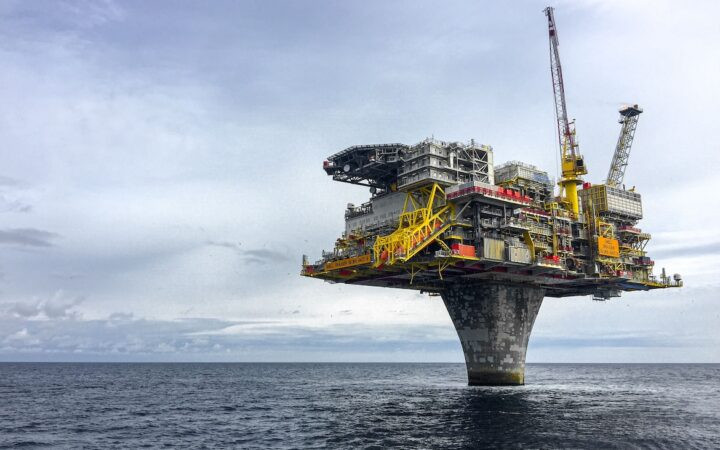
The United States has become the world’s largest oil exporter, surpassing Saudi Arabia and Russia as record crude and fuel shipments reshape global energy markets.
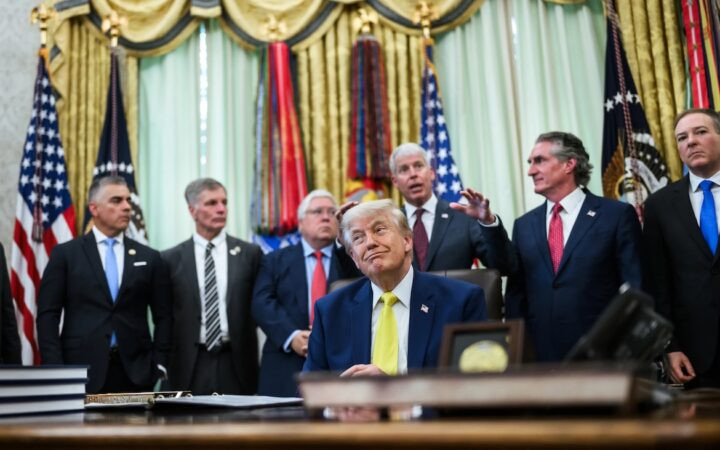
U.S. stocks erased approximately $1.2 trillion in market value after President Trump warned that the United States could strike Iran ‘very hard’, triggering a sharp reversal across risk assets.
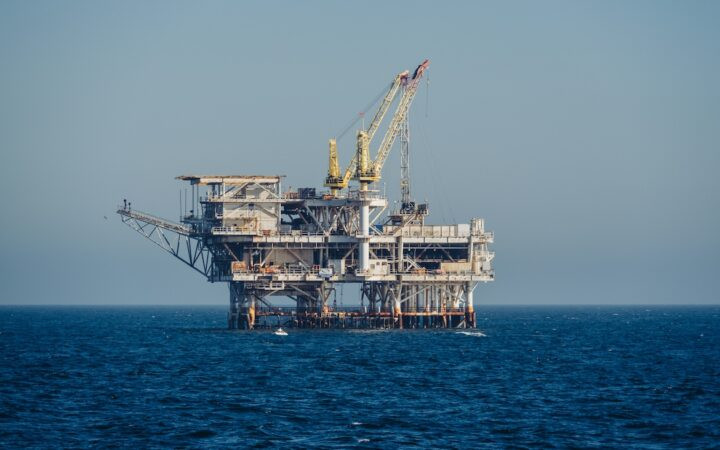
Oil prices plunged nearly 10% in a single day as easing geopolitical tensions and expectations of a potential Iran agreement triggered a sharp commodity selloff.
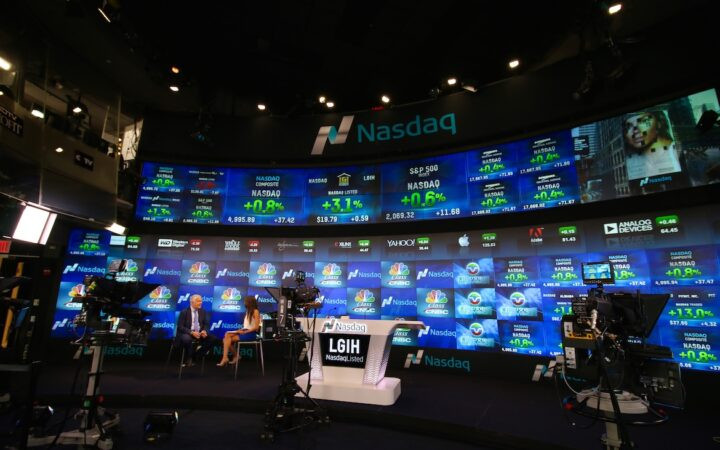
U.S. equity markets rallied sharply as optimism surrounding a potential peace agreement between the United States and Iran pushed S&P 500 and Nasdaq futures to fresh record highs.
Japan’s stock market climbed 3.5% to a record high as optimism grew around a possible U.S.-Iran peace agreement.
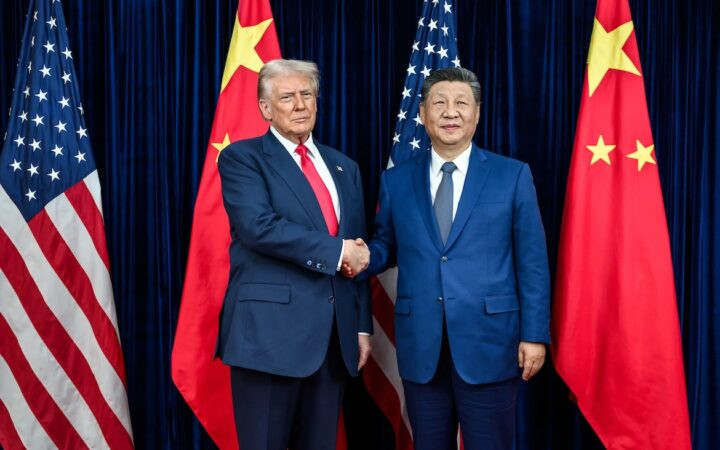
Donald Trump arrived in Beijing for a two-day summit with Xi Jinping focused on tariffs, semiconductors, AI restrictions, and broader U.S.-China economic relations.

The UAE will exit OPEC and OPEC+ from May 1, aiming to increase oil production and better align with shifting global energy demand.
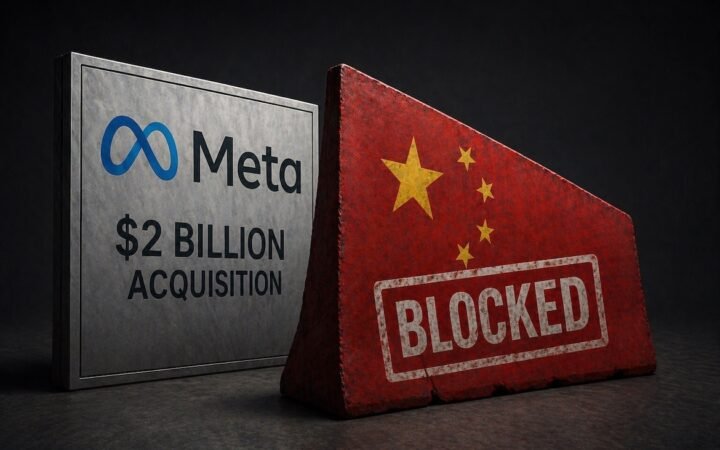
China has blocked Meta’s $2 billion acquisition of AI startup Manus, citing regulatory concerns over the cross-border deal.

American Airlines lowered its 2026 earnings forecast as rising jet fuel prices significantly increased operating costs.
The S&P 500 swings $1.3 trillion in 75 minutes after a false report on Iran negotiations triggers a sharp selloff and rebound.

Condom prices could increase by up to 30% as the Iran war drives higher costs and disrupts supply chains, according to global producer Karex.
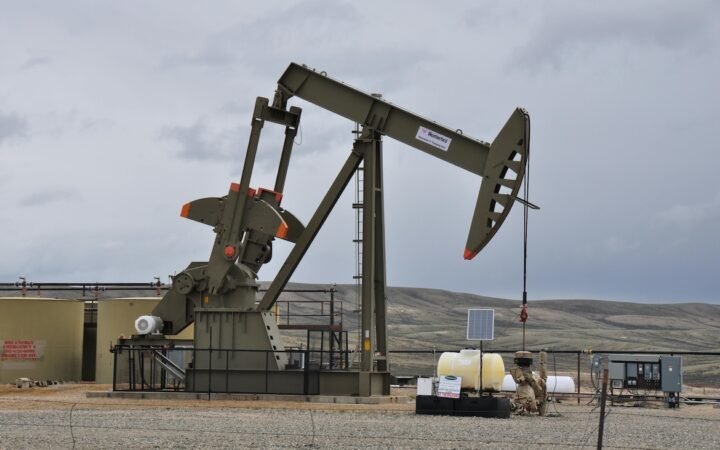
Oil dropped to $81 per barrel after Iran reopened the Strait of Hormuz, while U.S. markets surged, adding roughly $430 billion in market value.
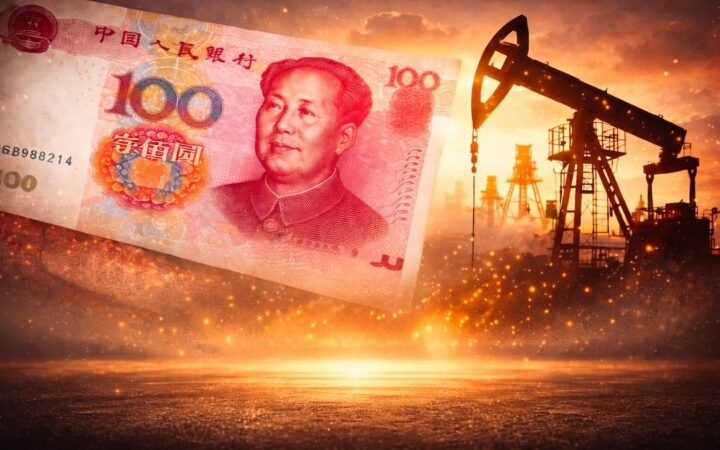
Deutsche Bank flagged the potential rise of a “petroyuan” amid the Iran war, as analysts debate whether de-dollarization could accelerate despite continued dollar dominance.
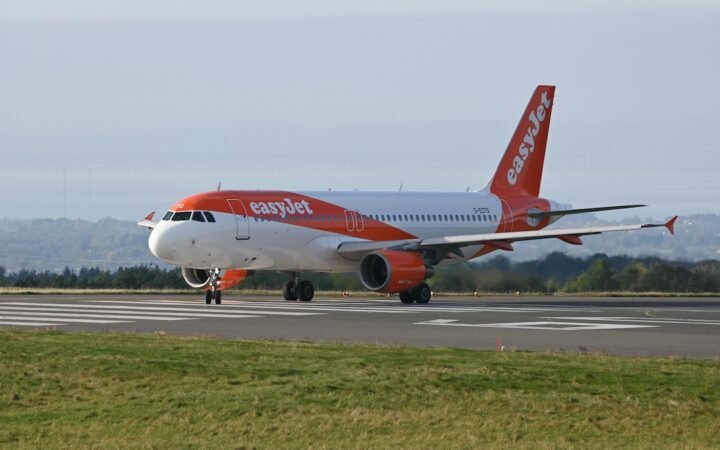
EasyJet stock declined after the airline warned that rising fuel costs and Middle East tensions are weighing on its bookings outlook.