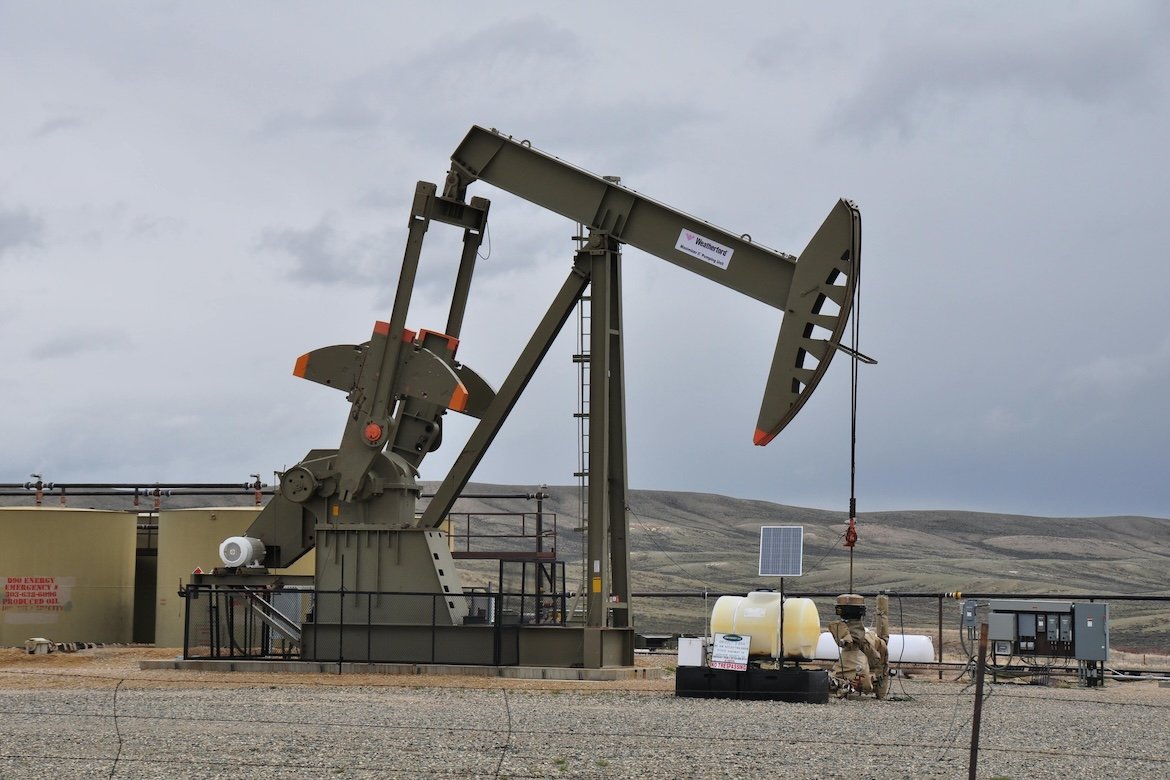
Oil prices in the United States fell to approximately $81 per barrel after Iran officially reopened the Strait of Hormuz for the remainder of a ceasefire period, easing fears of supply disruptions across global energy markets.
The Strait, a critical chokepoint for nearly 20% of global oil shipments, had been at the center of recent geopolitical tensions. Its reopening prompted traders to unwind risk premiums that had pushed crude prices higher in recent sessions.
At the same time, U.S. equity markets surged, with major indexes posting solid gains as investor sentiment improved on the back of reduced geopolitical risk.
The S&P 500 rose 0.73%, adding roughly $430 billion in market capitalization, while the Nasdaq gained 0.89%, increasing its value by approximately $180 billion. The Dow Jones Industrial Average climbed 1.2%, contributing an additional $120 billion in market value.
Easing Supply Risks Drive Oil Price Decline
The reopening of the Strait of Hormuz significantly reduces immediate concerns about disruptions to oil flows from the Middle East, a region central to global energy supply.
During the peak of tensions, markets had priced in the possibility of restricted shipping routes, pushing oil prices higher. The latest development has reversed part of that surge, bringing prices back toward more stable levels.
Lower oil prices could help ease inflationary pressures, particularly in sectors heavily dependent on fuel costs, such as transportation and manufacturing.
As previously covered, geopolitical developments in the Middle East remain one of the most important drivers of short-term oil price volatility.
Equity Rally Reflects Sharp Shift in Risk Sentiment
The rebound in U.S. equities highlights how quickly markets can react to changes in geopolitical risk.
Lower energy prices tend to support corporate margins and consumer spending, while also reducing pressure on central banks to maintain restrictive monetary policy.
Technology stocks led gains, benefiting from declining inflation expectations and improved risk appetite, while industrial and consumer sectors also advanced on the prospect of more stable global conditions.
The $430 billion increase in market capitalization underscores the scale of the market’s response, reflecting a broad-based rally across sectors.
However, analysts caution that the situation remains fluid. Any renewed escalation in the region could quickly reverse gains in both oil and equity markets.
For investors, the latest move reinforces a key theme: global markets remain highly sensitive to geopolitical developments, with energy prices and equity valuations closely tied to shifts in risk perception.