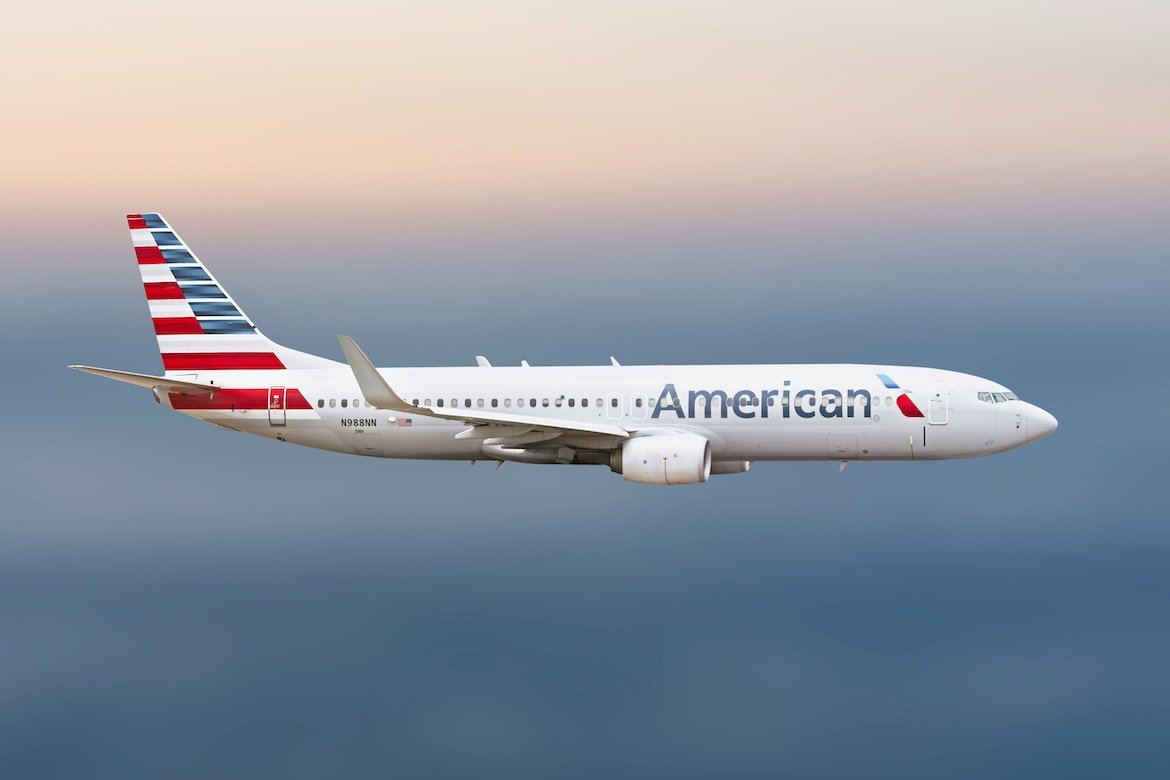
American Airlines has cut its 2026 earnings projections, becoming the latest carrier to revise its outlook as a sharp rise in jet fuel costs adds significant pressure to operating expenses.
The company said higher fuel prices have added billions of dollars to its cost base, prompting a reassessment of its financial expectations for the coming year. The warning reflects broader challenges across the airline industry, where fuel remains one of the largest and most volatile expenses.
Shares moved lower following the announcement, as investors reacted to the weaker outlook and growing concerns over margin compression.
Fuel Price Surge Drives Cost Pressures Across Airlines
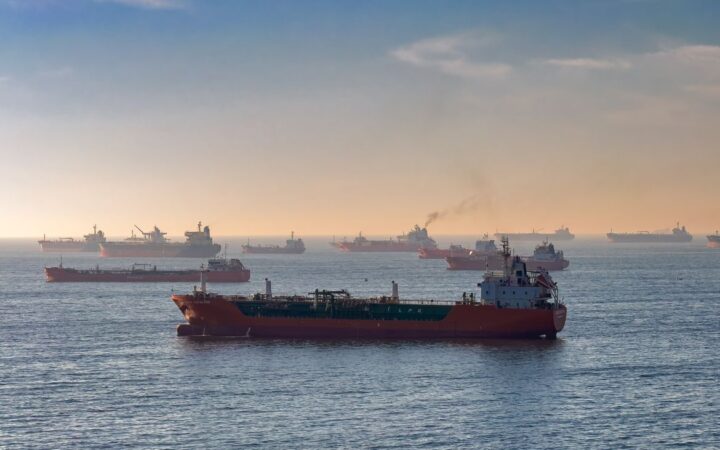
The increase in jet fuel prices has been driven in part by geopolitical tensions, particularly in the Middle East, which have disrupted energy markets and pushed oil prices higher.
For airlines, even modest increases in fuel costs can have an outsized impact on profitability, given the scale of consumption and limited ability to hedge against volatility in the short term.
American Airlines noted that the surge in fuel expenses is expected to outweigh gains from strong travel demand, highlighting the delicate balance between revenue growth and cost management.
As previously covered, multiple carriers have recently flagged similar concerns, underscoring a sector-wide challenge as fuel prices remain elevated.
The situation is particularly acute for U.S. airlines, which are highly sensitive to fluctuations in energy markets and face intense competition that limits pricing flexibility.
Market Reaction Reflects Broader Sector Risks
The downgrade in American Airlines’ outlook highlights investor concerns about the sustainability of earnings in the airline sector under current cost conditions.
Higher fuel prices not only reduce margins but also constrain airlines’ ability to offer competitive ticket pricing without eroding profitability.
Analysts note that while demand for travel remains relatively strong, rising input costs could offset much of the benefit, leading to weaker overall financial performance.
At the same time, geopolitical uncertainty continues to add volatility, making it difficult for airlines to plan capacity and pricing strategies effectively.
For investors, the key question is whether airlines can adapt through cost controls, efficiency improvements, or pricing adjustments, or if margins will remain under pressure in the near term.
The outlook for the sector will likely depend heavily on the trajectory of oil prices and the broader macroeconomic environment, both of which remain uncertain.