Key Notes
- SpaceX reported $14.58 billion in third-quarter revenue, up 161% from a year earlier and approximately 14.6% above the LSEG consensus.
- AI became the largest revenue segment, while Starlink reached 13.6 million consumer subscriptions and Connectivity delivered substantial operating profit.
- Net income reached $4.4 billion, but quarterly capital spending of $19.6 billion keeps financing and cash generation central to the SPCX investment case.
Space Exploration Technologies Corp. (NASDAQ: SPCX), better known as SpaceX, reported third-quarter revenue of $14.575 billion, or $14.58 billion rounded, as its expanding AI business and Starlink subscriber growth lifted sales 161% from a year earlier.
Revenue exceeded the $12.72 billion LSEG consensus cited in CNBC’s earnings estimates by approximately 14.6%. SpaceX’s own quarterly update showed $4.404 billion in net income and diluted earnings of $0.35 a share for the three months ended September 30.
SPCX traded near $151, up 2.17%, at 16:13 ET in extended trading, according to Nasdaq’s quote. That followed a regular-session close of $147.79, down 0.11%; the after-hours move was an initial reaction rather than the day’s closing return.
AI Becomes SpaceX’s Largest Revenue Source
The Super Intelligence segment, previously reported as Artificial Intelligence, generated $7.560 billion in quarterly revenue, just over half the group’s total. Its $431 million operating profit marked a turnaround from a $1.257 billion operating loss in the preceding quarter.
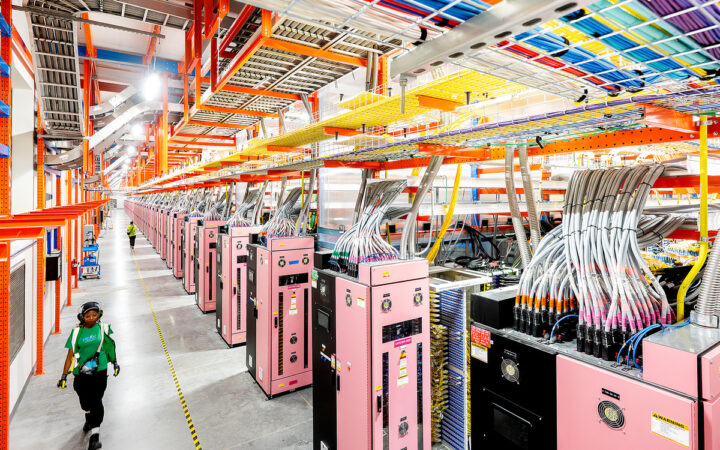
The business now combines computing infrastructure, cloud services, AI models and software applications. That changes the financial profile of a company still widely associated with rockets: investors must assess the commercial economics of large computing deployments alongside launch and satellite operations.
SpaceX completed its acquisition of Cursor on August 14. We previously reported the approximately $60 billion all-stock deal. The earnings update says Cursor contributed $608 million in revenue between closing and September 30, meaning part of the quarter’s growth came from an acquisition.
That distinction matters when interpreting the pace of expansion. Consolidated revenue growth includes newly acquired operations as well as increased sales within the existing business; it is not an organic-growth measure.
Starlink Expands Its Recurring Revenue Base
Connectivity revenue reached $5.248 billion, up 69% year over year, and the segment produced $2.367 billion in operating income. Starlink ended September with 13.6 million consumer subscriptions, compared with 12 million at June 30.
Those subscriptions provide a recurring commercial foundation alongside enterprise and government services. Subscriber growth alone does not establish profitability, but the segment’s reported operating income gives investors a direct measure of its contribution after operating costs.
The next opportunity extends into mobile communications. As we reported, SpaceX has been advancing plans to compete more broadly in the mobile market. Its latest update says an October agreement for 800 MHz spectrum is expected to close in the first half of 2027, subject to regulatory and other conditions.
The spectrum transaction is therefore a future development, separate from revenue already earned in the third quarter. Deployments, service availability and customer adoption will determine how that opportunity contributes to later results.
Starship Progress Connects Launches With Satellite Capacity
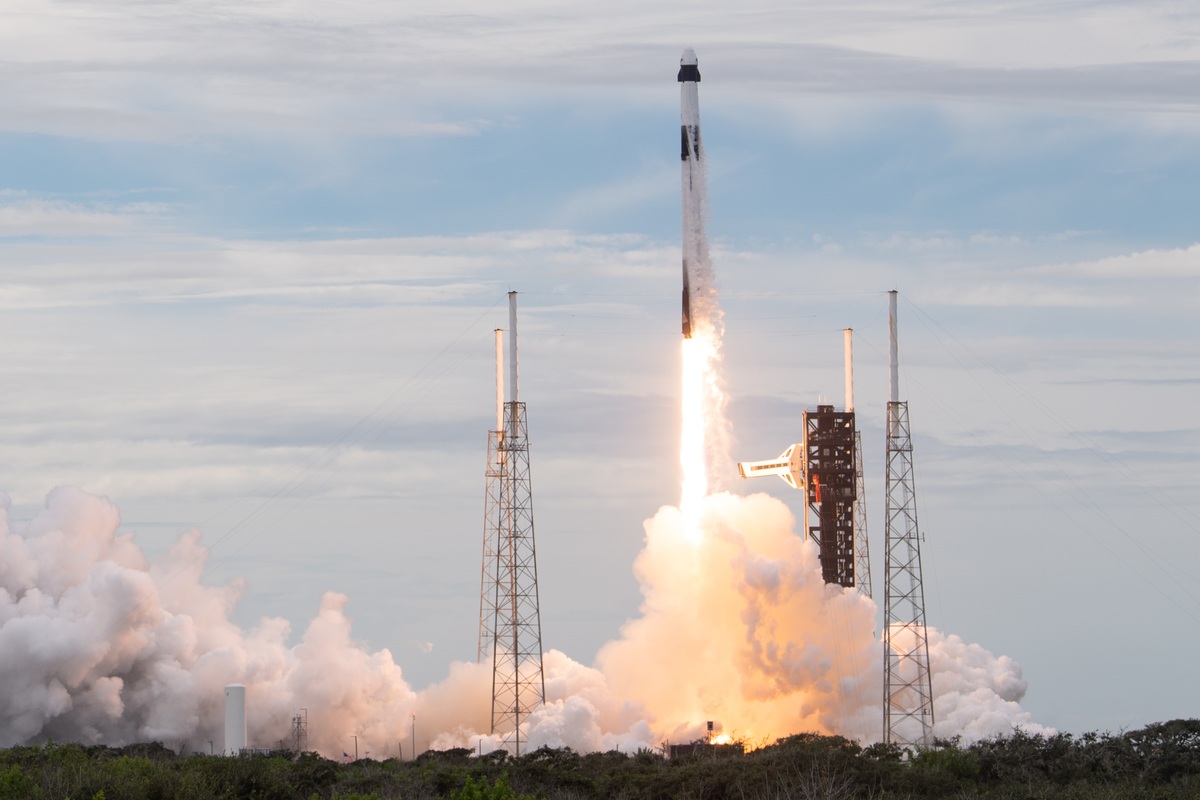
The Space segment generated $1.767 billion in quarterly revenue and recorded a $7 million operating loss. SpaceX also highlighted Starship’s first revenue-generating mission, which deployed 26 Starlink V3 satellites.
The company’s mission account confirms that Flight 14 reached orbit and delivered the satellites on September 28. The spacecraft subsequently performed a deorbit burn and splashed down in the Pacific.
We covered the longer-term commercial case following that flight. For SPCX, the connection is practical: a larger transport system can help supply the satellite network, although financial returns still depend on launch reliability, costs and the revenue produced by added capacity.
Profitability Does Not Eliminate the Investment Requirement
Group operating income was $2.791 billion, while adjusted EBITDA reached $8.809 billion. Net income also included interest income, other income and a tax benefit, so the $4.404 billion bottom line should not be read as profit generated entirely by core operations.
Adjusted EBITDA offers another perspective, but excludes depreciation, share-based compensation and other items. Those exclusions are material in a business investing heavily in satellites, launch systems and computing equipment.
Quarterly capital expenditure reached $19.593 billion. Over the first nine months, purchases of property, plant and equipment totaled $48.069 billion, compared with $13.097 billion of operating cash inflow.
Those cash-flow figures explain why financing remains part of the equity story even after a profitable quarter. We previously reported talks over funding for Nvidia chips. The reported financing discussions are separate from completed transactions disclosed in the earnings update.
What the Results Mean for SPCX Investors
The revenue beat gives investors evidence that SpaceX’s broader technology business is expanding rapidly. The mix is also shifting: AI supplies the largest share of sales, while Connectivity remains a substantial source of operating profit.
The next test is how much of that expansion converts into sustained cash generation. Acquired revenue, accounting earnings, adjusted EBITDA and cash left after infrastructure spending answer different questions and should be assessed separately.
Tuesday’s initial share-price gain reflects a positive early response to the release. The longer-term assessment will depend on repeatable operating performance, the cost of additional capacity and execution across AI, Starlink and Starship, rather than on the revenue headline alone.