Key Notes
- CNBC reports approximately $26.3 billion in anchor bids for Jio’s IPO, more than 30 times the anchor allocation.
- The exchange filing confirms 72,474,066 shares allocated at ₹1,119 each, worth about ₹81.1 billion or $854 million.
- Public subscription is scheduled for October 21–23, with the overall offering targeting up to approximately $3.2 billion.
Jio Platforms’ initial public offering has attracted approximately $26.3 billion in anchor-investor bids, CNBC reported, with BlackRock-managed funds, Capital Group and Singapore’s GIC among the institutions participating ahead of the Indian company’s public subscription window.
The demand was more than 30 times the roughly ₹81.1 billion, or $854 million, anchor allocation, according to a person familiar with the matter cited by CNBC. The report distinguishes those bids from the shares actually allotted: Jio is seeking to raise up to approximately ₹302 billion, or $3.2 billion, through the overall IPO.
Jio is the telecommunications and digital-services business controlled by Reliance Industries Ltd. (NSE: RELIANCE), with Meta and Google also backing the company. The offering is a test of investor appetite for a large established platform at a time when technology valuations are facing greater scrutiny.
Exchange Filing Confirms the Anchor Allocation
Jio’s October 19 allocation filing confirms 72,474,066 shares assigned to anchor investors at ₹1,119 apiece. Multiplying the shares by that price gives approximately ₹81.098 billion.
The investor schedule includes funds managed by BlackRock Inc. (NYSE: BLK), Capital Group and Fidelity, alongside Life Insurance Corporation of India and other domestic and international institutions. The filing records the Government of Singapore allocation, while CNBC identifies GIC among the participating investors.
The distinction between demand and allocation is central to the headline. Bids indicate how much investors wanted to subscribe for; they do not mean Jio raised $26.3 billion or that all applicants received the amount requested.
Anchor participation establishes an institutional shareholder base before public bidding. It does not set the price at which the shares will trade after listing or ensure that public demand will match the same subscription multiple.
Public Subscription Runs From October 21 to 23
The public offer is scheduled to open on Wednesday, October 21, and close on Friday, October 23, according to CNBC. The anchor allocation took place beforehand, on October 19.
Reliance’s October 14 price-band filing sets a floor of ₹1,065 and a cap of ₹1,119 per share. The anchor price therefore sits at the upper end of the approved range.
The minimum bid lot is 12 shares, with further bids in multiples of 12. At the upper band, one lot represents ₹13,428 before any applicable charges or adjustments. The filing separately specifies a ₹54-per-share discount for eligible employees bidding within their reserved portion.
The price band defines where bids can be placed. The subsequent exchange quotation reflects trading after allocation, making it a separate stage of price discovery from the anchor process.
A Large Connectivity Business Underpins the Valuation
Jio’s company profile says subsidiary Reliance Jio Infocomm served 524.4 million customers as of March 31, 2026. That included 268.5 million 5G customers, while JioFiber and JioAirFiber together had 27.1 million subscribers.
For fiscal 2026, the company lists approximately ₹1.47 trillion in revenue from operations and ₹763 billion in EBITDA, with an EBITDA margin above 50%. These completed-year figures provide an operating foundation for assessing the IPO, rather than relying solely on a future technology narrative.
Jio’s portfolio extends beyond mobile access to fixed broadband, enterprise connectivity, cloud services, entertainment and emerging AI products. Its stated ambition is to become an AI-native digital-services company, but the financial contribution of future products still depends on adoption and execution.
CNBC places the offering valuation at approximately $108 billion, below figures above $130 billion discussed a year earlier. Those dollar valuations should be distinguished from the rupee-denominated offer terms, since exchange rates affect their comparison.
Pre-IPO Futures Are Separate From the Shares
Interest in Jio has also reached cryptocurrency derivatives markets. As we previously reported, Bitget launched JIOUSDT perpetual futures to trade expectations around the company before its equity listing.
Those contracts do not give holders Jio shares, voting rights or an allocation in the IPO. Their price and financing mechanism belong to a separate market, and their launch does not itself supply IPO proceeds to Jio.
That separation matters when comparing signals of demand. An anchor-investor order seeks equity through the securities offering; a leveraged derivative expresses exposure under an exchange’s contract rules. Neither should be substituted for the other’s trading or subscription data.
Demand Still Has to Survive Price Discovery
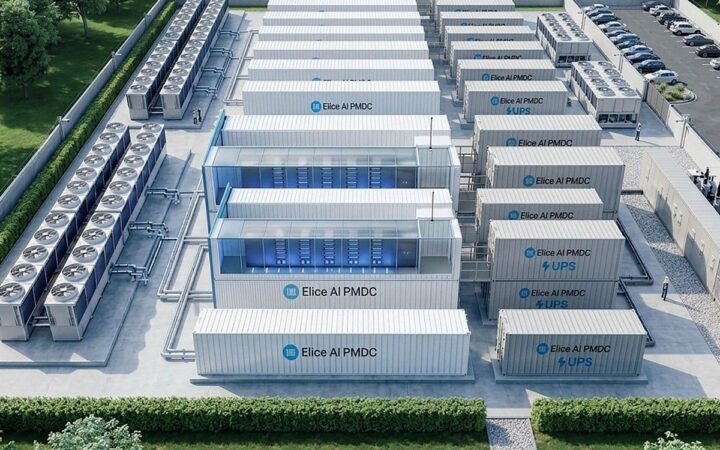
A heavily subscribed book can coexist with a weak debut. Elice’s South Korean listing fell sharply below its offer price on October 20, as we reported. The businesses and markets differ, but the example shows why subscription ratios alone cannot establish future returns.
For Jio, the next evidence will come from the public subscription window, final allocations and trading after listing. The anchor book demonstrates substantial institutional interest; whether the valuation holds will depend on how that demand interacts with the supply of shares and the company’s subsequent results.