Alphabet shares could rise as much as 40% as Google strengthens its position in artificial intelligence, according to Wells Fargo. Analysts cite improving monetization and AI leadership potential.
By Sophia Reynolds | Edited by Oleg Petrenko
Published:
Updated:
Alphabet shares could rise as much as 40% as Google strengthens its position in artificial intelligence, according to Wells Fargo. Analysts cite improving monetization and AI leadership potential. Photo: Allen Boguslavsky / Pexels
Alphabet could see its shares rise by as much as 40%, according to analysts at Wells Fargo, who argue that Google is emerging as a leading force in the artificial intelligence race.
The bullish outlook reflects growing confidence that Alphabet can successfully monetize its AI capabilities across search, cloud computing, and enterprise software. Investors have increasingly focused on how AI integration could drive the company’s next phase of growth.
AI Leadership Drives Bullish Outlook
Wells Fargo analysts point to Google’s deep integration of AI across its core products, including search and advertising, as a key advantage.
The company has been embedding generative AI tools into its search engine and productivity software, aiming to enhance user engagement and create new revenue streams. Google Cloud is also emerging as a major growth driver, offering AI infrastructure and services to enterprise clients seeking to deploy machine-learning applications.
As previously covered, competition in the AI space has intensified among major technology firms, with companies investing heavily in infrastructure, talent, and product development.
Alphabet’s scale, data resources, and existing ecosystem position it strongly to compete with rivals in both consumer and enterprise AI markets.
Implications for Investors
The projected 40% upside suggests analysts believe Alphabet remains undervalued relative to its AI potential, despite recent gains in technology stocks.
If the company successfully translates AI innovation into revenue growth, it could strengthen its position across multiple business segments. However, risks remain. The cost of building and maintaining AI infrastructure is rising rapidly, and competition from other Big Tech players continues to intensify.
Regulatory scrutiny also remains a concern, particularly as governments examine the growing influence of large technology companies in AI development. Still, the outlook from Wells Fargo highlights a broader market narrative: artificial intelligence is becoming a primary driver of valuation across the technology sector.
For Alphabet, the challenge will be executing its AI strategy while maintaining profitability and managing rising investment costs.
Novartis has agreed to acquire immunology biotech Excellergy for $2 billion, marking its second major deal in a week. The move strengthens its pipeline in next-generation allergy treatments.
By Emma Clarke | Edited by Oleg Petrenko
Published:
Novartis has agreed to acquire immunology biotech Excellergy for $2 billion, marking its second major deal in a week. The move strengthens its pipeline in next-generation allergy treatments. Photo: Novartis / Facebook
Novartis has agreed to acquire Excellergy for $2 billion, marking its second multibillion-dollar deal within a week as the pharmaceutical giant accelerates its push into immunology.
The acquisition is aimed at strengthening Novartis’s pipeline of next-generation treatments, particularly in the fast-growing allergy and immune-response segment.
The deal underscores increasing competition among major drugmakers to secure innovative therapies in high-demand therapeutic areas.
Strategic Bet on Next-Generation Allergy Treatments
Excellergy is developing advanced immunology therapies that aim to deliver faster and more effective responses compared to existing allergy treatments.
Novartis is betting that these next-generation solutions could capture a significant share of a global market that continues to expand due to rising rates of allergic conditions.
The acquisition aligns with the company’s broader strategy of focusing on high-growth areas such as immunology, oncology, and gene therapy.
As previously covered, large pharmaceutical companies have been actively pursuing biotech acquisitions to replenish drug pipelines and secure access to breakthrough technologies.
By acquiring Excellergy, Novartis gains both proprietary research capabilities and potential future blockbuster treatments.
M&A Momentum Builds in Biotech Sector
The deal highlights a renewed wave of consolidation in the biotechnology sector, as major pharmaceutical firms seek to accelerate innovation through acquisitions rather than internal development alone.
Analysts say rising research costs and the need for specialized expertise are pushing companies toward partnerships and acquisitions. For investors, the transaction signals continued confidence in biotech innovation despite broader market volatility.
It also reflects a competitive race among pharmaceutical companies to secure promising assets early in their development cycle. With two major deals completed in a short period, Novartis appears to be moving aggressively to strengthen its long-term growth pipeline.
As demand for advanced therapies continues to rise, acquisitions like Excellergy may play a critical role in shaping the future of the pharmaceutical industry.
The U.S. is preparing to allow cryptocurrencies and alternative assets in 401(k) retirement accounts. The move could open a $12 trillion market to digital assets and private investments.
By David Sinclair | Edited by Oleg Petrenko
Published:
The U.S. is set to allow cryptocurrencies and alternative assets in 401(k) retirement accounts, potentially opening a $12 trillion market to digital assets and private investments. Photo: Marta Branco / Pexels
The United States is moving closer to allowing cryptocurrencies and other alternative assets in retirement accounts, marking a major shift in investment policy for the country’s $12 trillion 401(k) market.
A long-anticipated rule from the U.S. Department of Labor has completed final review at the White House and is expected to be published in the coming weeks, paving the way for broader access to digital assets within retirement portfolios.
The proposal would allow Americans to hold cryptocurrencies alongside traditional assets such as stocks and bonds in tax-advantaged retirement accounts.
Opening Retirement Portfolios to Alternative Assets
The rule is expected to significantly expand the range of eligible investments in 401(k) plans, including not only cryptocurrencies but also private equity, private debt, and infrastructure assets.
The move follows earlier policy changes aimed at loosening restrictions introduced in 2021 that had limited the inclusion of digital assets in retirement accounts.As previously covered, policymakers have been working to modernize retirement investment frameworks to reflect evolving financial markets and growing demand for alternative assets.
Supporters argue that expanding access could improve diversification and allow long-term investors to participate in emerging asset classes.
Implications for Markets and Investors
The potential inclusion of cryptocurrencies in retirement accounts could represent a major catalyst for digital asset adoption. With the U.S. retirement market valued at approximately $12 trillion, even a small allocation to crypto could translate into significant capital inflows.
Analysts say the rule could also accelerate institutional acceptance of digital assets, further integrating them into mainstream financial systems. However, the move is likely to face scrutiny due to concerns about volatility, investor protection, and fiduciary responsibilities.
Critics warn that cryptocurrencies may not be suitable for retirement portfolios given their price swings and regulatory uncertainties. Still, the proposal reflects a broader shift in financial markets, where alternative assets are increasingly viewed as a standard component of diversified portfolios.
If implemented, the rule could reshape how Americans invest for retirement, signaling a new phase in the convergence of traditional finance and digital assets.
OpenAI is shutting down its Sora video generation model, citing undisclosed reasons. Reports suggest the product may have been costing up to $15 million per day to operate.
By Emma Clarke | Edited by Oleg Petrenko
Published:
OpenAI is shutting down its Sora video generation model for undisclosed reasons, with reports indicating the product may have cost as much as $15 million per day to run. Photo: Rohan Sahai / X
OpenAI is shutting down its widely discussed Sora video generation model, a product that helped drive a surge of AI-generated content across social media platforms over the past year.
The company has not yet provided an official explanation for the decision but said more details about the shutdown of both the application and API will be released soon.
Sora gained rapid attention after its launch, becoming one of the most advanced tools for generating realistic video content using artificial intelligence.
Rising Costs Behind AI Video Generation
While OpenAI has not confirmed the reasons, industry estimates suggest the model may have been extremely expensive to operate.
Some analysts believe Sora could have been consuming between $10 million and $15 million per day in compute costs, driven by the immense processing power required for high-quality video generation.
On an annual basis, that would imply operating costs of up to $5.4 billion, highlighting the economic challenges of scaling advanced generative AI systems. Video generation is significantly more computationally intensive than text or image models, requiring large-scale GPU clusters and vast amounts of energy.
As previously covered, the rapid expansion of AI services has led to soaring infrastructure spending across the industry, with companies investing heavily in data centers and specialized hardware.
Implications for the AI Industry
The shutdown of Sora raises broader questions about the sustainability of high-cost AI products, particularly those that generate rich media content.
While demand for AI-generated video remains strong, the economics of delivering such services at scale remain challenging. Companies may need to rethink pricing models, optimize infrastructure, or limit access to manage costs effectively.
The move could also signal a shift in strategy, with OpenAI potentially reallocating resources toward more commercially viable products or enterprise-focused solutions.
At the same time, the rise of AI-generated video sometimes referred to as “neural content” or “AI slop” has sparked debate about content quality, misinformation, and platform regulation. The decision to shut down Sora underscores a key tension in the AI industry: balancing rapid innovation with the financial realities of operating cutting-edge technology.
As competition intensifies and infrastructure costs continue to rise, companies may face increasing pressure to prioritize profitability alongside technological advancement.
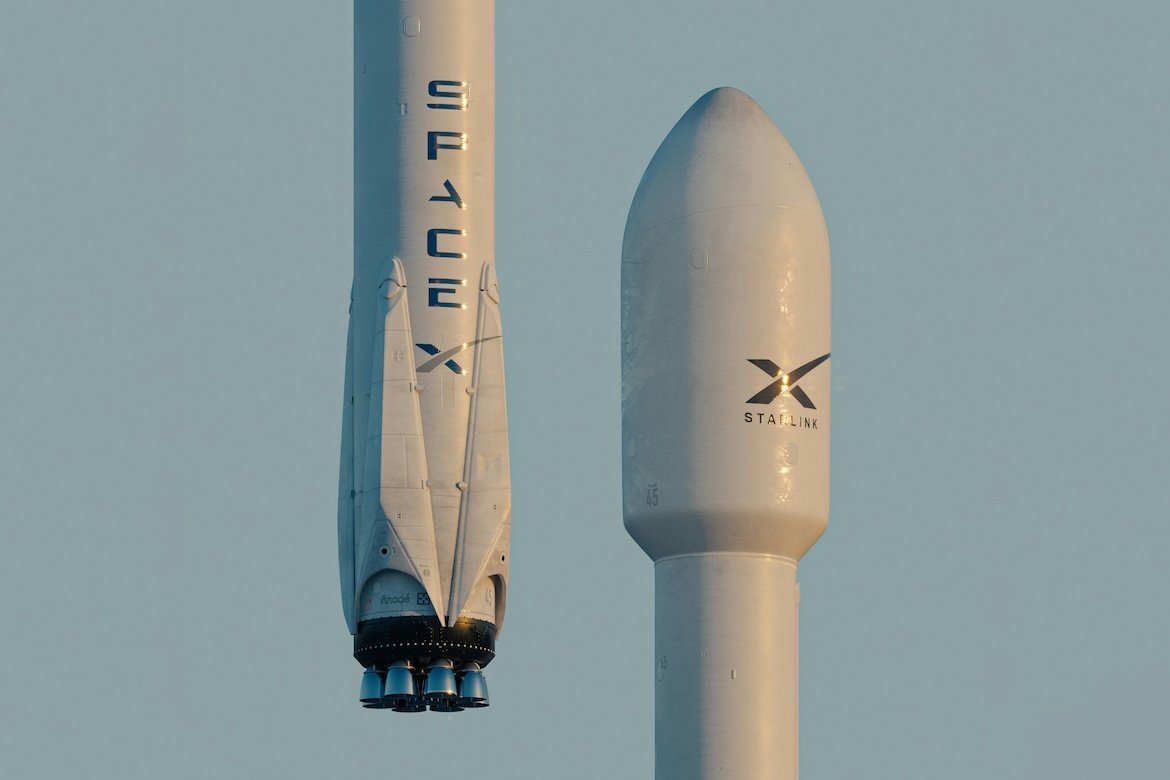
SpaceX is preparing to file for an initial public offering as soon as this week, with reports suggesting a potential raise of over $75 billion. The listing could become one of the largest IPOs in history.
By Sophia Reynolds | Edited by Oleg Petrenko
Published:
SpaceX is preparing to file for an initial public offering as early as this week, with reports indicating it could raise more than $75 billion. The listing has the potential to become one of the largest IPOs in history. Photo: Anirudh / Unsplash
SpaceX is preparing to file for an initial public offering as soon as this week, according to reports, in a move that could mark one of the most significant listings in financial market history.
The company is expected to seek more than $75 billion in fresh capital, with its overall valuation potentially exceeding $1.5 trillion, positioning it among the most valuable companies globally.
The anticipated IPO reflects growing investor interest in space infrastructure, satellite networks, and advanced aerospace technologies.
A Landmark IPO in the Making
The planned listing would represent a major milestone for the private space industry, which has seen rapid expansion driven by satellite communications, defense contracts, and commercial space launches.
SpaceX has built a dominant position in the launch market with its reusable rocket technology, while also expanding into satellite internet through its Starlink network. The company’s ability to generate recurring revenue from satellite services has strengthened its financial profile and made it more attractive to public market investors.
As previously covered, demand for exposure to high-growth technology sectors including space infrastructure and AI-related systems has fueled interest in large-scale IPOs. The potential size of the offering suggests strong institutional demand and could make it one of the largest capital raises ever seen in public markets.
Implications for Investors and Markets
A successful IPO could reshape the landscape for both the aerospace and technology sectors, offering investors direct access to one of the most closely watched private companies.
The listing may also trigger a broader wave of public offerings from companies operating in adjacent industries such as satellite communications, defense technology, and space-based data services.
However, analysts caution that valuation expectations remain high, and market conditions will play a critical role in determining investor appetite. Volatility in global markets, interest rate expectations, and geopolitical risks could influence the timing and pricing of the offering.
For now, SpaceX’s IPO plans underscore a broader trend: capital markets are increasingly being shaped by companies operating at the intersection of advanced technology, infrastructure, and global connectivity.
If completed, the offering could set a new benchmark for IPO size and valuation in the modern era.
Meta has introduced a new executive incentive program tied to a $9 trillion valuation target. The move underscores its aggressive push to lead the artificial intelligence race.
By Emma Clarke | Edited by Oleg Petrenko
Published:
Meta has rolled out a new executive incentive program linked to a $9 trillion valuation target, highlighting its aggressive drive to lead the artificial intelligence race. Photo: Mark Zuckerberg / Facebook
Meta Platforms has introduced a new executive compensation program tied to an ambitious goal of reaching a $9 trillion market valuation, highlighting the company’s aggressive strategy to dominate the artificial intelligence landscape.
The plan links significant stock-based compensation for top executives to long-term share price performance, meaning payouts will only materialize if Meta achieves extraordinary growth in the coming years.
The target represents a dramatic increase from Meta’s current valuation, implying several-fold expansion as the company doubles down on artificial intelligence and next-generation computing platforms.
AI Ambitions Drive Aggressive Compensation Strategy
The new incentive structure is designed to align executive performance with shareholder returns, rewarding leadership only if the company reaches predefined valuation milestones. While CEO Mark Zuckerberg is not directly included in the compensation plan, other senior executives stand to gain substantial payouts if the company meets its targets. The move reflects intensifying competition across Big Tech, where companies are investing heavily in AI infrastructure, talent acquisition, and product development. Meta has significantly increased spending in recent years, focusing on building large-scale data centers, expanding AI capabilities, and integrating artificial intelligence across its platforms.
As previously covered, the race for AI leadership has driven both capital expenditures and compensation packages to unprecedented levels across the technology sector.
Investor Implications and Strategic Risks
The $9 trillion target underscores both the scale of Meta’s ambitions and the risks involved in pursuing such aggressive growth.
Achieving that valuation would require sustained revenue expansion, strong margins, and continued leadership in AI-driven products such as advertising, content recommendation, and generative AI services. Investors may view the plan as a sign of confidence in Meta’s long-term strategy, but it also highlights the significant execution risk tied to large-scale AI investments. Stock-based compensation could increase dilution pressures, potentially requiring additional share buybacks to maintain shareholder value.
At the same time, the strategy reflects a broader shift in the technology industry, where artificial intelligence is becoming the primary driver of future growth and valuation expansion.
If successful, Meta could position itself among the most valuable companies in history. However, the scale of the target also emphasizes how competitive and capital-intensive the AI race has become.
Oil prices fell sharply after President Donald Trump postponed potential U.S. strikes on Iran’s energy infrastructure. The delay eased fears of immediate supply disruptions in the Middle East.
By Nathan Cole | Edited by Oleg Petrenko
Published:
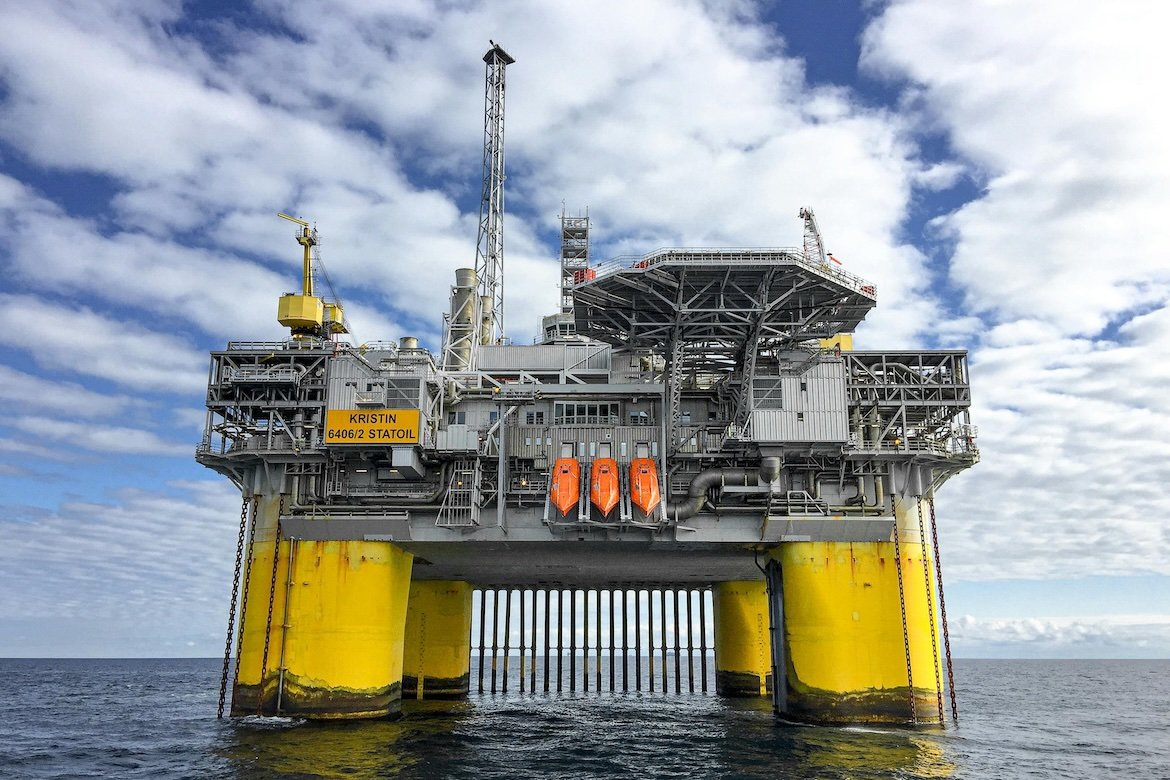
Oil prices dropped sharply after President Donald Trump delayed planned U.S. strikes on Iran’s energy infrastructure, easing immediate fears of supply disruptions in the Middle East. Photo: Jan-Rune Smenes Reite / Pexels
Oil prices declined sharply after Donald Trump postponed potential U.S. strikes on Iran’s energy infrastructure for five days, easing immediate concerns over supply disruptions in one of the world’s most critical oil transit routes.
The move comes amid heightened tensions in the Middle East, where fears of conflict escalation had previously driven oil prices higher on concerns about disruptions to shipments through the Strait of Hormuz.
The delay provided temporary relief to markets that had been pricing in the risk of a sudden supply shock.
Geopolitical Risk Drives Oil Volatility
Oil markets have been highly sensitive to developments in the region, with prices swinging sharply in recent sessions as traders react to geopolitical headlines. The Strait of Hormuz remains a key chokepoint for global energy supplies, with a significant portion of the world’s oil passing through the narrow waterway. Any disruption to shipping routes in the region could have immediate consequences for global energy prices and inflation. As previously covered, escalating tensions between the U.S. and Iran have increased uncertainty in energy markets, contributing to sharp price movements in both crude oil and natural gas.
The decision to delay potential strikes suggests a temporary de-escalation, which markets interpreted as reducing the likelihood of near-term supply disruptions.
Market Implications and Outlook
The drop in oil prices highlights how quickly sentiment can shift in commodity markets when geopolitical risks change. Lower oil prices can provide relief for global equities by reducing inflationary pressure and easing concerns about rising input costs for businesses. However, analysts caution that volatility is likely to remain elevated as the situation in the Middle East continues to evolve. Investors are closely monitoring developments over the coming days, particularly any signals regarding military action or diplomatic progress. The five-day delay effectively extends uncertainty, keeping markets on edge while postponing a definitive resolution.
For now, the reaction underscores a broader trend: energy markets are increasingly driven by geopolitical developments, with prices responding rapidly to changes in perceived risk.
As global supply chains remain sensitive to disruptions, oil prices are expected to continue reacting sharply to developments in the region.
Gold recorded its steepest weekly decline in more than four decades, falling 11% to $4,488 per ounce. Rising oil prices and expectations of prolonged high interest rates weakened its safe-haven appeal.
By Nathan Cole | Edited by Oleg Petrenko
Published:
Updated:
Gold posted its sharpest weekly drop in over four decades, declining 11% to $4,488 per ounce. Surging oil prices and expectations of higher interest rates for longer eroded its safe-haven appeal. Photo: Zlaťáky.cz / Pexels
Gold prices posted their largest weekly decline in more than 40 years, dropping approximately 11% to $4,488 per ounce, in a move that has surprised investors given the ongoing geopolitical tensions in the Middle East.
The sharp selloff comes despite the escalation of conflict involving Iran, a scenario that would typically boost demand for gold as a traditional safe-haven asset.
Instead, the metal has come under pressure as macroeconomic forces – particularly rising energy prices and shifting expectations for U.S. monetary policy – outweighed its defensive appeal.
Why Gold Is Falling Despite Geopolitical Risk
The decline in gold prices has been driven largely by a surge in oil prices and the resulting inflation concerns. The conflict in the Middle East has disrupted energy supplies, pushing crude prices higher and increasing the likelihood that inflation will remain elevated.
As a result, markets have begun to scale back expectations for interest rate cuts from the Federal Reserve, with some analysts even considering the possibility of tighter policy for longer.
Higher interest rates tend to weigh on gold because the metal does not generate income, making it less attractive compared to yield-bearing assets such as bonds.
At the same time, the U.S. dollar has strengthened, further pressuring gold prices by making the metal more expensive for international buyers.
Another factor has been forced selling. During periods of market stress, investors often liquidate profitable positions including gold to raise cash or cover losses in other asset classes.
Implications for Markets and Safe-Haven Assets
The scale of the decline has raised questions about gold’s role as a reliable safe-haven asset in the current macro environment.
Traditionally, geopolitical conflicts drive investors toward gold. However, the current episode suggests that inflation dynamics and central bank policy expectations may now play a more dominant role in shaping price movements.
Analysts say the shift reflects a broader change in market behavior, where interest rates and liquidity conditions outweigh geopolitical risk in determining asset allocation.
At the same time, the drop highlights how interconnected global markets have become. Rising oil prices, central bank policy, and currency movements are all influencing gold simultaneously.
Despite the sharp decline, some market participants caution against declaring the end of gold’s long-term bull cycle, noting that previous rallies have also included periods of steep corrections.
For now, however, the metal’s historic weekly drop underscores a key takeaway: even traditional safe havens are not immune to the powerful forces of inflation, interest rates, and global capital flows.
Kalshi has raised more than $1 billion in a new funding round, valuing the prediction market platform at $22 billion. The deal highlights growing investor interest in event-driven trading markets.
By Emma Clarke | Edited by Oleg Petrenko
Published:
Updated:
Kalshi has secured more than $1 billion in a new funding round, valuing the prediction markets platform at $22 billion. The deal underscores rising investor interest in event-driven trading. Photo: Kalshi / X
Kalshi has raised more than $1 billion in a new funding round, reaching a valuation of approximately $22 billion, according to reports, marking one of the largest financings in the emerging prediction markets sector.
The company operates a regulated exchange that allows users to trade on the outcomes of real-world events, ranging from economic indicators to political developments and environmental data.
The latest funding round signals strong investor confidence in the growing market for event-based financial instruments.
Prediction Markets Gain Institutional Attention
Kalshi’s platform enables traders to buy and sell contracts tied to specific outcomes, effectively turning real-world events into tradable financial assets.
Unlike traditional derivatives, prediction markets focus on binary or probabilistic outcomes, such as whether inflation will exceed a certain level or if a policy decision will be implemented.
The model has gained traction as investors look for new ways to hedge risk and express views on macroeconomic and geopolitical developments.
As previously covered, interest in alternative trading instruments has increased alongside rising market volatility and demand for more flexible hedging tools.
Kalshi’s regulatory status in the United States has also positioned it uniquely within the sector, allowing it to operate under a framework that distinguishes it from many crypto-based prediction platforms.
Implications for Financial Markets
The $22 billion valuation places Kalshi among the most valuable fintech companies focused on market innovation, highlighting the rapid expansion of event-driven trading.
Analysts say the funding could accelerate product development, expand contract offerings, and attract institutional participants seeking exposure to non-traditional asset classes.
The growth of prediction markets may also influence how investors interpret and price risk, as these platforms aggregate real-time expectations about future events.
However, the sector still faces regulatory scrutiny, particularly regarding the classification of event-based contracts and their potential overlap with gambling or speculative trading.
Even so, the scale of the funding round suggests that investors see long-term potential in platforms that transform information and probability into tradable assets.
As financial markets continue to evolve, prediction markets like Kalshi could become an increasingly important component of the broader trading ecosystem.
S&P Dow Jones Indices has licensed the S&P 500 for use in perpetual futures contracts on Hyperliquid. The move brings a major equity benchmark into the crypto derivatives market.
By David Sinclair | Edited by Oleg Petrenko
Published:
S&P Dow Jones Indices has licensed the S&P 500 for use in perpetual futures contracts on Hyperliquid, bringing a major equity benchmark into the crypto derivatives market. Photo: Rômulo Queiroz / Pexels
S&P Dow Jones Indices has licensed the S&P 500 index for use in perpetual futures contracts on Hyperliquid, marking a significant step in the convergence of traditional finance and cryptocurrency markets.
The agreement allows the launch of perpetual contracts tied to the S&P 500, enabling traders to gain exposure to the benchmark U.S. equity index within a crypto-native trading environment.
Perpetual futures are a popular derivative product in digital asset markets, allowing traders to speculate on price movements without expiration dates.
Bringing Traditional Indexes Into Crypto Markets
The licensing deal reflects growing demand for hybrid financial products that combine traditional benchmarks with digital trading infrastructure.
By introducing S&P 500-linked perpetual contracts, Hyperliquid aims to attract both crypto-native traders and traditional investors seeking alternative ways to access equity market exposure.
The S&P 500 is widely regarded as a key benchmark for U.S. equities, and its integration into crypto derivatives markets signals increasing overlap between the two financial ecosystems.
As previously covered, crypto platforms have been expanding beyond digital assets into tokenized stocks, derivatives, and other products that mirror traditional financial instruments.
Implications for Markets and Regulation
The move could broaden access to equity index trading, particularly for users outside traditional brokerage systems. However, it may also raise regulatory questions, especially in jurisdictions where derivatives tied to major indices are tightly controlled.
Analysts note that products like perpetual contracts can carry higher risk due to leverage and continuous trading, which may amplify volatility.
At the same time, the deal highlights how financial innovation is accelerating across both traditional and digital markets. The integration of widely recognized indices into crypto platforms could reshape how investors interact with global financial benchmarks.
For S&P Dow Jones Indices, the licensing agreement represents an expansion of its intellectual property into new distribution channels, while for Hyperliquid, it strengthens its position in the competitive crypto derivatives space.
The development underscores a broader trend: the lines between traditional finance and digital asset markets continue to blur as new products emerge.
Nissan plans to export U.S.-built vehicles to Japan, joining Toyota and Honda in reversing traditional trade flows. The move reflects shifting global production strategies in the auto industry.
By Emma Clarke | Edited by Oleg Petrenko
Published:
Nissan plans to export U.S.-built vehicles to Japan, joining Toyota and Honda in a shift away from traditional trade flows. The move highlights changing global production strategies in the auto industry. Photo: Martin Katler / Unsplash
Nissan plans to begin exporting U.S.-built vehicles to Japan, marking a notable shift in global automotive trade patterns and joining similar moves by Toyota and Honda.
The company is expected to start shipping its Murano SUV, produced in Smyrna, Tennessee, to Japan beginning early next year. It will be the first time since the 1990s that Nissan sells an American-built vehicle in its home market.
The move reflects broader changes in supply chains, currency dynamics, and manufacturing strategies across the global auto industry.
Reversing Traditional Trade Flows
For decades, Japanese automakers have primarily exported vehicles from Japan to the United States. However, shifting economic conditions are prompting companies to rethink those patterns.
A weaker Japanese yen and rising production costs in Japan have made U.S.-based manufacturing more competitive for certain models. At the same time, North American plants have become increasingly efficient and capable of producing vehicles that meet global standards.
By exporting U.S.-built cars back to Japan, automakers can better balance production across regions while optimizing costs and capacity.
As previously covered, global automakers have been restructuring supply chains to improve flexibility and reduce exposure to currency fluctuations and geopolitical risks.
Implications for the Auto Industry
Nissan’s decision underscores a broader trend toward more dynamic and regionally diversified production strategies in the automotive sector.
Analysts say the shift could signal a longer-term transformation in global trade flows, where vehicles are produced in multiple regions and shipped based on cost efficiency rather than traditional export patterns.
For investors, the move highlights how automakers are adapting to evolving economic conditions, including exchange rate volatility and changing demand patterns.
It may also reflect growing competition in domestic markets, as companies seek new ways to optimize margins and maintain market share.
While the scale of exports remains relatively modest for now, the symbolic significance is notable: a reversal of decades-long trade dynamics between Japan and the United States.
As global supply chains continue to evolve, similar cross-regional production strategies could become more common across the auto industry.
The European Union is set to introduce a new “EU Inc” company structure aimed at simplifying cross-border business operations. The initiative seeks to reduce regulatory friction for startups and investors across the bloc.
By Benjamin Harper | Edited by Oleg Petrenko
Published:
The European Union plans to introduce a new “EU Inc” company structure designed to streamline cross-border business operations. The initiative aims to reduce regulatory complexity for startups and investors across the bloc. Photo: Marco / Pexels
European Union is preparing to unveil a new pan-European company structure known as “EU Inc,” designed to simplify how businesses operate across member states and reduce regulatory complexity for startups and investors.
The proposal, expected to be presented by the European Commission, would allow entrepreneurs to establish a single legal entity that can operate seamlessly across the EU, rather than navigating different national legal systems.
The initiative is part of a broader effort to strengthen Europe’s competitiveness and make it easier for companies to scale across borders within the bloc.
Reducing Barriers for European Startups
Currently, businesses operating in multiple EU countries must comply with different legal frameworks, tax systems, and regulatory requirements, creating administrative burdens and increasing costs.
The proposed “EU Inc” structure aims to standardize company formation rules, offering a unified legal framework that simplifies incorporation, governance, and cross-border operations.
Policymakers hope the move will encourage entrepreneurship and make it easier for startups to expand beyond their home markets without facing significant legal and bureaucratic hurdles.
As previously covered, Europe has long struggled to match the scale and speed of startup growth seen in the United States, partly due to fragmented regulatory systems across member states.
By creating a single corporate framework, the EU aims to foster a more integrated business environment and improve access to capital for growing companies.
Implications for Investors and the European Economy
The introduction of a pan-European company status could significantly reshape the region’s investment landscape.
A unified legal structure may make European startups more attractive to investors by reducing complexity and improving transparency across jurisdictions. It could also facilitate cross-border mergers, partnerships, and capital raising.
Analysts say the initiative could help address one of Europe’s key structural challenges: the difficulty of scaling companies across multiple markets.
However, implementation will likely face challenges, including alignment with national legal systems and potential resistance from member states concerned about regulatory sovereignty.
If successfully adopted, “EU Inc” could mark a significant step toward deeper economic integration within the European Union and strengthen its position in the global competition for innovation and investment.
Nvidia and Uber announced plans to launch Level 4 autonomous robotaxis in 28 cities by 2028. The partnership aims to scale AI-powered self-driving fleets across major urban markets.
By Emma Clarke | Edited by Oleg Petrenko
Published:
Updated:
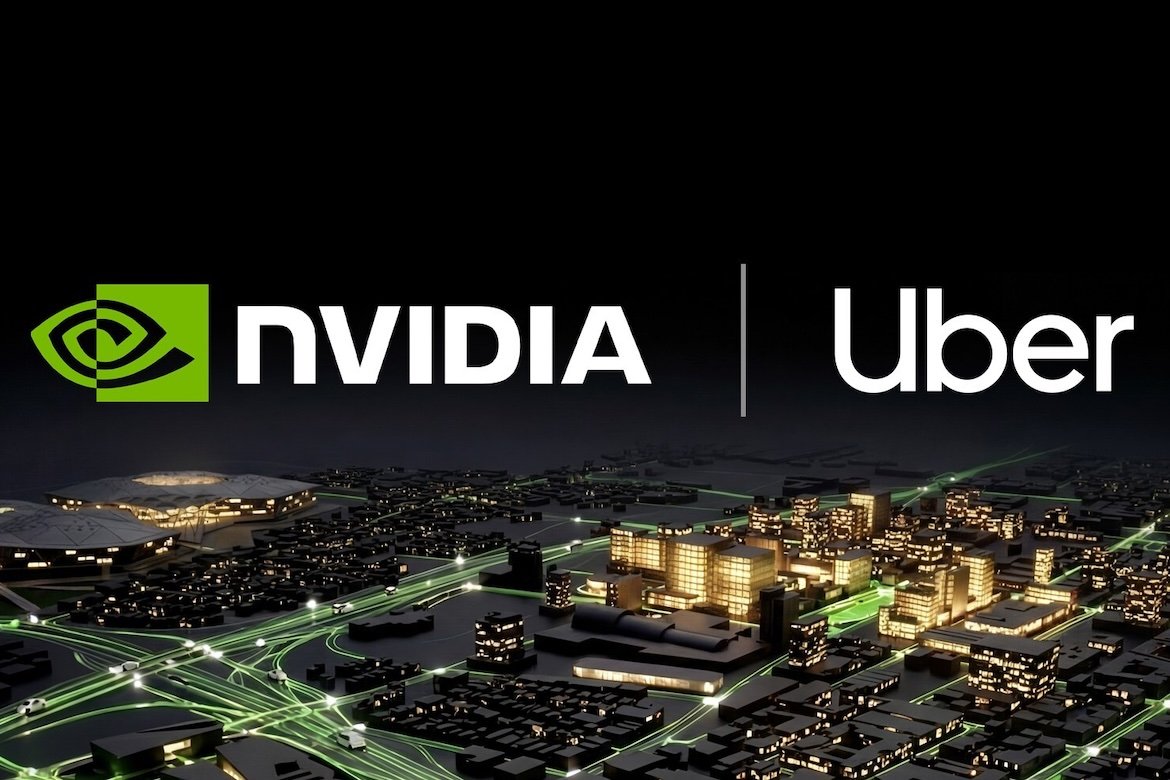
Nvidia and Uber revealed plans to deploy Level 4 autonomous robotaxis across 28 cities by 2028. The partnership is designed to expand AI-powered self-driving fleets in major urban markets. Photo: Uber
Nvidia and Uber announced plans to launch Level 4 autonomous robotaxis across 28 cities by 2028, marking one of the most ambitious deployments of self-driving vehicles to date.
The initiative will integrate Nvidia’s artificial intelligence computing platforms with Uber’s global ride-hailing network to operate fleets of autonomous vehicles capable of driving without human intervention in defined urban environments.
The companies aim to begin early deployments as soon as next year, starting with selected cities before expanding the network globally.
AI and Autonomous Driving Converge
Level 4 autonomy allows vehicles to operate independently in most conditions within designated service areas, relying on advanced AI systems, sensors, and high-performance computing.
Nvidia’s autonomous driving technology will serve as the backbone of the system, processing massive volumes of real-time data from cameras, radar, and lidar sensors to navigate complex urban environments.
The company has been steadily expanding its presence in the autonomous vehicle industry through its AI software stack and high-performance computing chips designed for self-driving systems.
As previously covered, Nvidia has positioned its hardware and software ecosystem as a central platform for companies developing autonomous driving technologies.
By combining Nvidia’s computing infrastructure with Uber’s mobility network, the companies aim to accelerate commercialization of robotaxi services.
Implications for the Mobility Industry
If successful, the rollout could mark a significant step toward large-scale adoption of autonomous ride-hailing services.
Robotaxis promise to dramatically reduce operating costs by removing the need for human drivers, potentially transforming the economics of ride-sharing and urban transportation.
However, the industry still faces regulatory hurdles, safety challenges, and technological barriers before fully autonomous fleets become widespread.
Cities and regulators remain cautious about approving large-scale deployments, particularly in densely populated urban areas where safety concerns remain high.
Still, partnerships between technology companies and mobility platforms are becoming increasingly common as the race to commercialize autonomous vehicles intensifies.
The Nvidia-Uber collaboration signals that major players in both artificial intelligence and transportation believe robotaxi networks could become a major component of future urban mobility systems.
If the timeline holds, fleets powered by Nvidia’s AI platforms could begin operating in dozens of cities within the next few years.
Nvidia expects cumulative revenue from AI chips to reach $1 trillion by the end of 2027, according to CEO Jensen Huang. The forecast doubles the company’s previous projection for the fast-growing AI market.
By Emma Clarke | Edited by Oleg Petrenko
Published:
Nvidia projects that cumulative revenue from its AI chips will reach $1 trillion by the end of 2027, CEO Jensen Huang said. The estimate doubles the company’s earlier forecast, underscoring the rapid expansion of the AI market. Photo: Nvidia / Facebook
Nvidia expects cumulative revenue from artificial intelligence chips to reach $1 trillion by the end of 2027, according to CEO Jensen Huang.
The projection marks a dramatic increase from the company’s previous forecast of $500 billion in AI-related revenue through 2026, highlighting how rapidly demand for AI computing infrastructure is expanding.
Nvidia’s chips have become the backbone of the global artificial intelligence boom, powering large language models, generative AI systems, and advanced machine-learning platforms used by technology companies and enterprises worldwide.
AI Demand Drives Massive Revenue Forecast
The trillion-dollar revenue target reflects explosive growth in demand for specialized processors designed to train and run artificial intelligence models.
Large technology companies, cloud providers, and startups are investing heavily in AI infrastructure, building massive GPU clusters capable of handling increasingly complex computational workloads.
Nvidia currently dominates the market for AI accelerators, with its GPU architecture widely used in data centers across the global technology sector. The company’s hardware and software ecosystem has made it a central supplier to firms racing to develop advanced AI capabilities.
As previously covered, the surge in AI spending has triggered an unprecedented wave of investment in data centers, cloud infrastructure, and specialized semiconductor technologies.
The rapid expansion of generative AI applications across industries from finance and healthcare to software development and media has further accelerated demand for high-performance computing platforms.
AI Infrastructure Race Intensifies
Nvidia’s aggressive revenue forecast also underscores the scale of the global race to build artificial intelligence infrastructure. Major technology companies including Microsoft, Meta Platforms, and Amazon are investing tens of billions of dollars into data centers and AI computing capacity. These investments aim to secure the processing power needed to train next-generation AI models and deliver AI-powered services to businesses and consumers.
Analysts say Nvidia’s dominant position in AI hardware could allow the company to capture a significant portion of the rapidly expanding AI infrastructure market.
At the same time, the extraordinary scale of the company’s projections highlights just how central artificial intelligence has become to the future of the technology industry.
If the forecast proves accurate, Nvidia would generate revenue on a scale rarely seen in the semiconductor sector, cementing its position as one of the most influential companies in the global AI ecosystem.
Meta has invested $27 billion in AI cloud company Nebius as it races to secure computing power for artificial intelligence development. The deal highlights growing demand for large-scale AI infrastructure.
By Emma Clarke | Edited by Oleg Petrenko
Published:
Updated:
Meta has committed $27 billion to AI cloud provider Nebius as it moves to secure the computing capacity needed for artificial intelligence development. The investment underscores surging demand for large-scale AI infrastructure. Photo: Julio Lopez / Unsplash
Meta Platforms has invested $27 billion in Nebius, the artificial intelligence infrastructure firm founded by former Yandex CEO Arkady Volozh. The move signals Meta’s growing urgency to secure computing capacity as competition in the global AI race accelerates.
Shares of Nebius surged following the announcement as investors interpreted the deal as a major endorsement of the company’s role in the rapidly expanding AI cloud market.
The investment could grow further. Analysts say Meta may ultimately commit up to an additional $15 billion, potentially raising the total value of the partnership significantly as demand for computing power increases.
AI Infrastructure Becomes Strategic Priority
Artificial intelligence development now requires massive computing capacity powered by specialized GPUs and high-performance data centers. Technology giants are racing to secure these resources as demand for AI training and inference continues to surge.
Nebius has emerged as a key provider of AI cloud infrastructure, offering large-scale GPU clusters and high-performance computing platforms designed specifically for machine-learning workloads.
Meta’s investment reflects the growing recognition that access to computing infrastructure rather than algorithms alone is becoming one of the most important competitive advantages in the AI industry.
As previously covered, Meta has been accelerating investments in AI development while restructuring parts of its workforce. The company has reportedly been considering layoffs affecting more than 20% of its roughly 79,000 employees as it reallocates resources toward artificial intelligence initiatives and infrastructure expansion.
Big Tech Competes for AI Capacity
Meta is not the only technology company partnering with Nebius. Microsoft previously signed a major infrastructure agreement with the company reportedly worth about $17 billion, highlighting the scale of demand for AI computing power.
The deals illustrate a broader trend across the technology sector: major companies are investing tens of billions of dollars to secure access to specialized AI infrastructure.
Analysts say the rapid expansion of generative AI models and enterprise AI applications has created an unprecedented surge in demand for computing capacity, forcing technology firms to invest heavily in data centers, chips, and cloud infrastructure.
For Meta, the Nebius investment could help accelerate development of next-generation AI systems across its platforms, including advertising optimization, recommendation algorithms, and advanced generative AI tools.
The partnership also underscores the increasing importance of independent AI infrastructure providers that can supply computing resources at scale to multiple technology companies simultaneously.
As the AI arms race intensifies, access to large-scale computing power is emerging as one of the defining strategic assets of the technology industry.