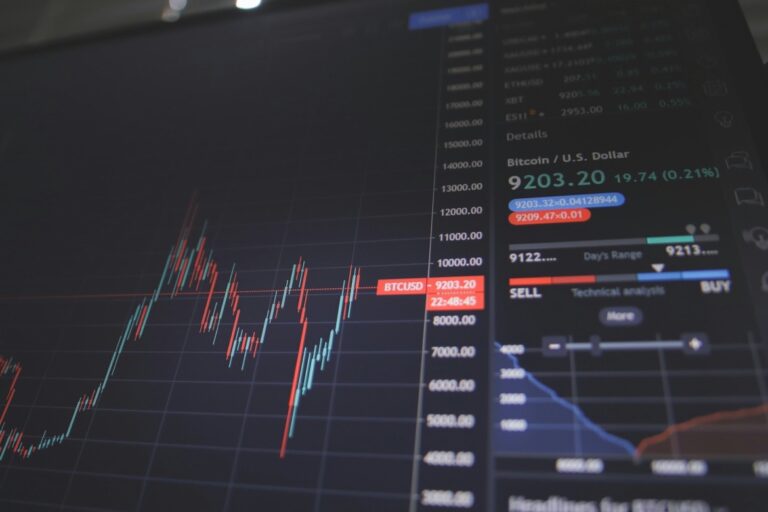
What Is Market Volatility? A Beginner’s Guide
Market volatility measures the size and speed of price changes and often rises when uncertainty, leverage, or trading imbalances intensify. Learn how it works, why it matters, how to evaluate...
This section serves as MarketSpeaker’s index for all guide-format content, bringing together structured, evergreen coverage across industries, technologies, and markets. It aggregates in-depth explainers, strategic breakdowns, and analytical overviews designed to provide context beyond daily reporting. Built for professionals, investors, and informed readers, the page highlights content that prioritizes clarity, structure, and long-term relevance. Unlike news or briefs, this section focuses on foundational understanding and thematic analysis rather than time-sensitive updates.
Market volatility measures the size and speed of price changes and often rises when uncertainty, leverage, or trading imbalances intensify. Learn how it works, why it matters, how to evaluate...

Market indexes track selected groups of securities and provide benchmarks for performance, economic sectors, regions, strategies, and asset classes. Learn how it works, why it matters, how to evaluate it,...

A business model explains how a company creates, delivers, and captures value. Learn about customers, revenue, costs, resources, activities, partners, and unit economics.
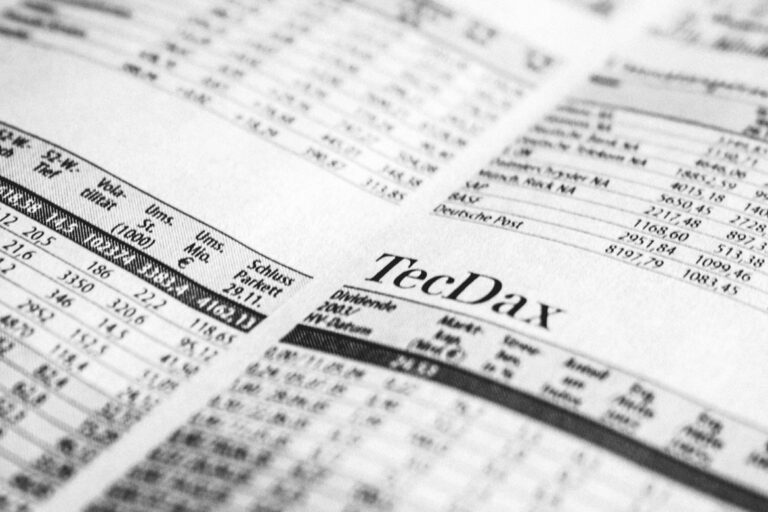
Derivatives are contracts whose value depends on an underlying asset, rate, index, event, or other reference point. Learn how it works, why it matters, how to evaluate it, and which...
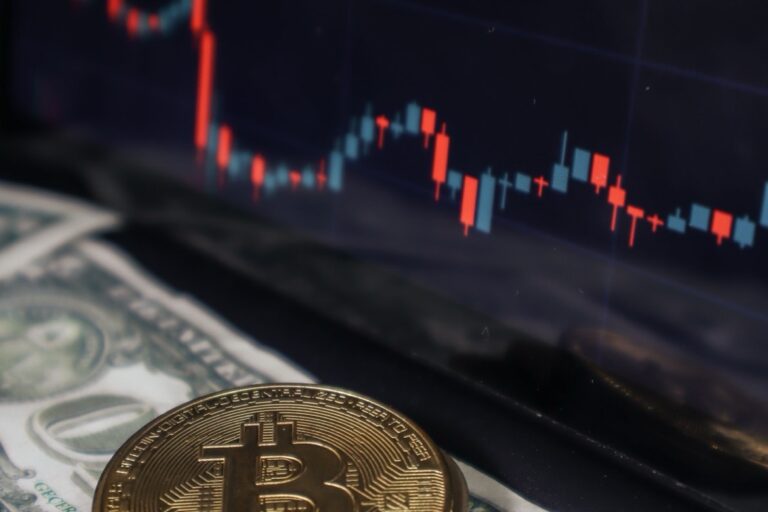
The foreign exchange market determines the relative value of currencies and supports international trade, investment, travel, and cross-border finance. Learn how it works, why it matters, how to evaluate it,...

A bank accepts deposits, provides credit, moves money, and connects savers with borrowers. Learn how banks work, earn money, manage risks, and support the economy.
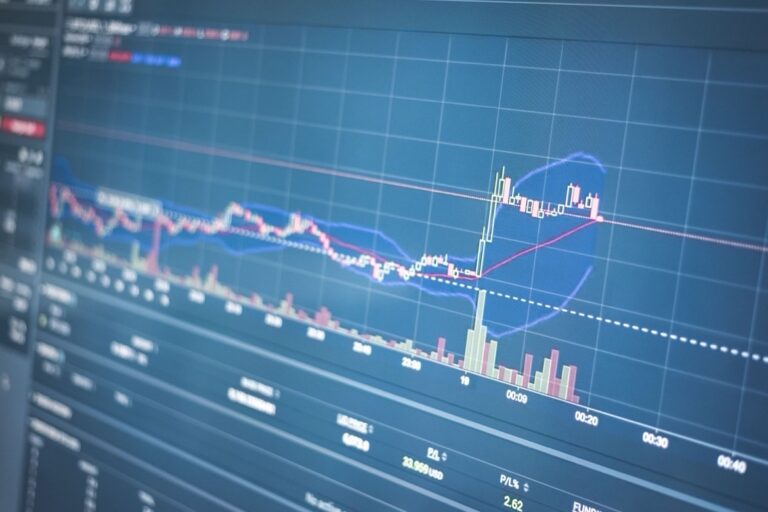
Commodities are raw materials and primary products traded globally, including energy, metals, agricultural goods, and livestock. Learn how it works, why it matters, how to evaluate it, and which risks...
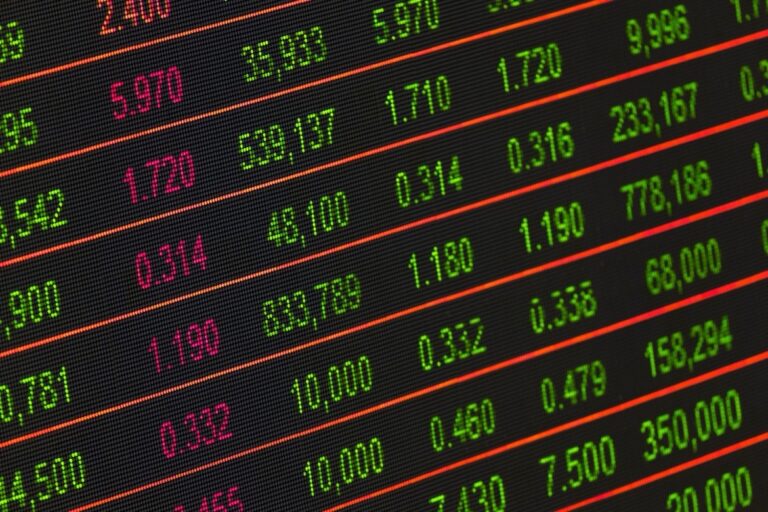
Bonds are debt instruments through which governments, companies, and other issuers borrow money from investors for a defined period. Learn how it works, why it matters, how to evaluate it,...
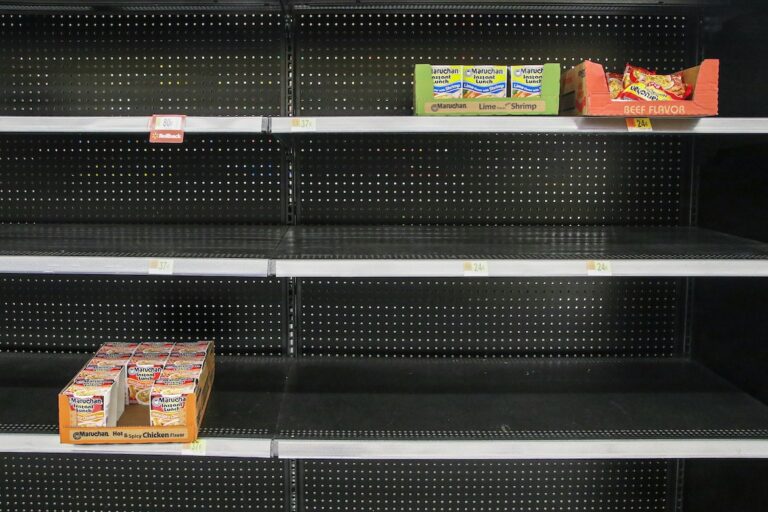
Inflation is a sustained rise in the general price level. Learn how it is measured, what causes it, why it matters, and how households, businesses, markets, and policymakers respond.
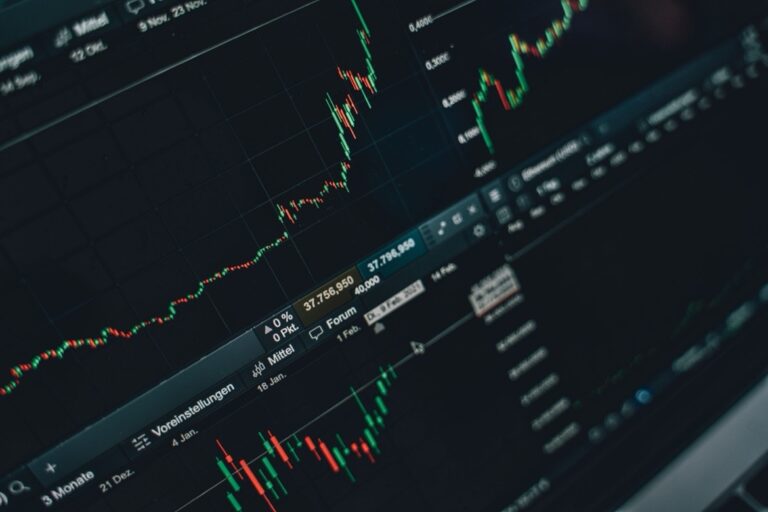
Stocks represent ownership interests in companies and give investors exposure to business profits, losses, and long-term growth. Learn how it works, why it matters, how to evaluate it, and which...