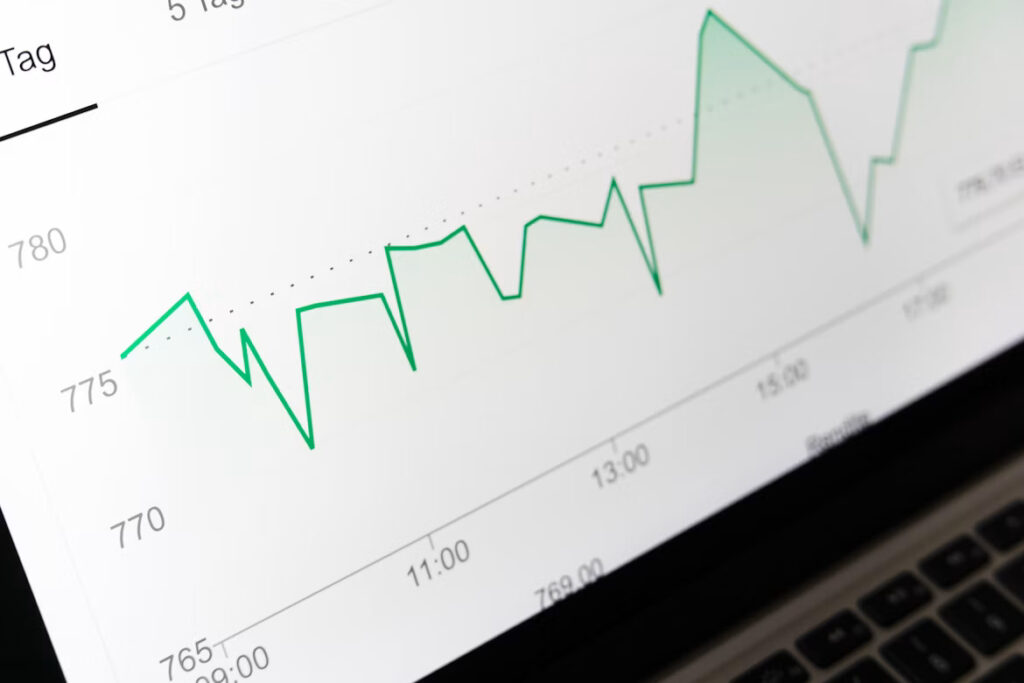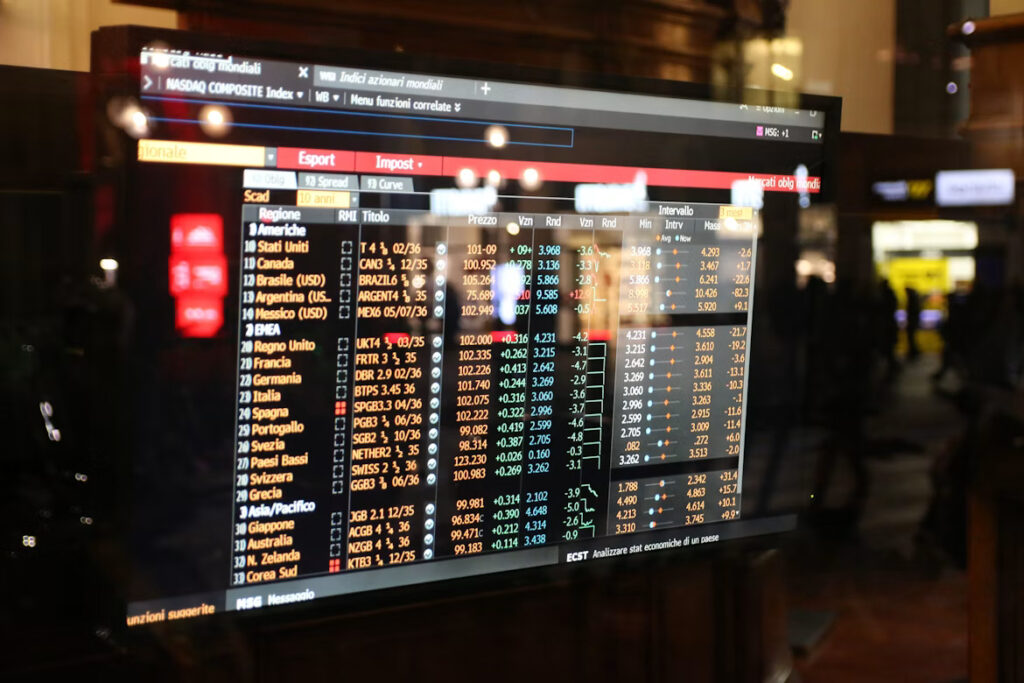
What Are Economic Indicators? A Beginner’s Guide
Economic indicators summarize activity, prices, jobs, trade, and confidence. Learn how leading, coincident, and lagging data are released and interpreted.
Economy guides explain the forces that shape prices, jobs, borrowing, business activity, and financial markets. This category turns essential economic ideas into clear, practical lessons for readers who want to understand how the economy works without getting lost in technical language. Explore beginner-friendly explanations of inflation, interest rates, gross domestic product, unemployment, recessions, monetary policy, fiscal policy, and other important indicators. Each guide shows what a concept means, how it is measured, why it matters, and how changes can affect households, companies, investors, and governments. Whether you are following a central bank decision, comparing economic data, or building your financial knowledge from the ground up, these guides provide the context needed to interpret economic news with greater confidence.
Economic indicators summarize activity, prices, jobs, trade, and confidence. Learn how leading, coincident, and lagging data are released and interpreted.

Tariffs are taxes on imported goods. Learn how tariff rates are calculated, who pays them, how they affect prices and trade, and why governments use them.
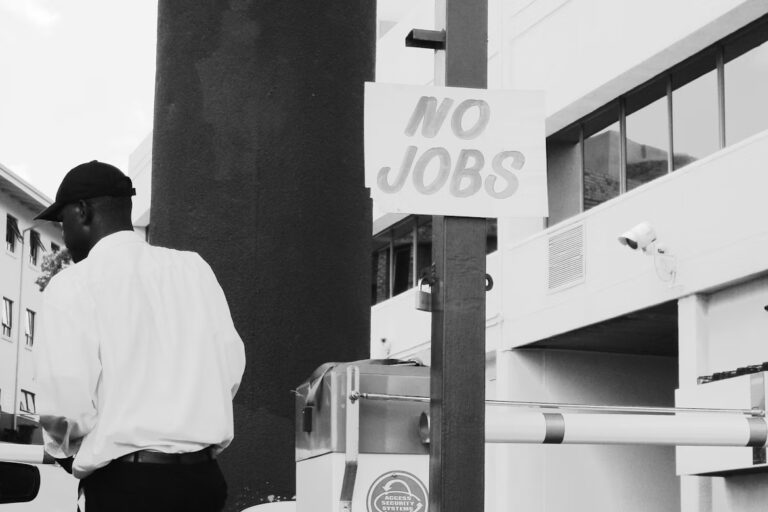
Unemployment measures people without jobs who are available and actively seeking work. Learn how the rate is calculated, why it changes, and what labor reports reveal.

The global economy connects countries through trade, finance, production, technology, migration, and policy. Learn how those links transmit growth, inflation, and risk.

A recession is a broad decline in economic activity. Learn how recessions are defined, what causes them, which warning signs matter, and how economies and markets recover.
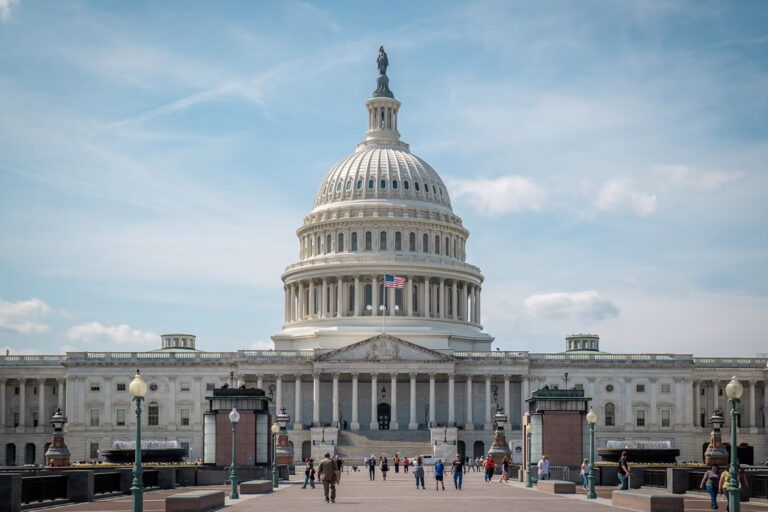
Fiscal policy uses government spending, taxes, and transfers to influence the economy. Learn how budgets, deficits, debt, multipliers, stabilizers, and trade-offs work.

A central bank manages monetary conditions and supports the financial system. Learn about policy rates, reserves, currency, bank supervision, independence, and crisis tools.

GDP measures the value of final goods and services produced within an economy. Learn its formula, real and nominal measures, growth drivers, uses, and important limitations.

The business cycle describes recurring expansions and contractions in economic activity. Learn its phases, drivers, indicators, market effects, and policy responses.