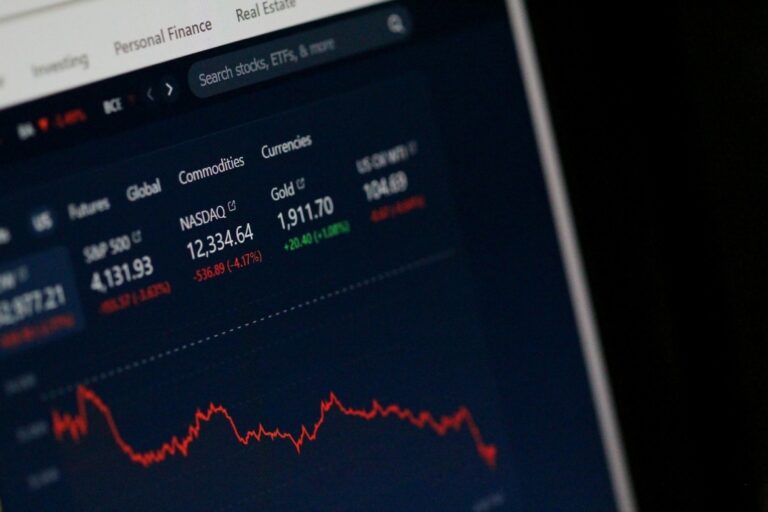
What Is a Mutual Fund? A Beginner’s Guide
Mutual funds pool investor money into professionally managed portfolios that are generally priced once at the end of each trading day. Learn how it works, why it matters, how to...
This section serves as MarketSpeaker’s index for all guide-format content, bringing together structured, evergreen coverage across industries, technologies, and markets. It aggregates in-depth explainers, strategic breakdowns, and analytical overviews designed to provide context beyond daily reporting. Built for professionals, investors, and informed readers, the page highlights content that prioritizes clarity, structure, and long-term relevance. Unlike news or briefs, this section focuses on foundational understanding and thematic analysis rather than time-sensitive updates.
Mutual funds pool investor money into professionally managed portfolios that are generally priced once at the end of each trading day. Learn how it works, why it matters, how to...
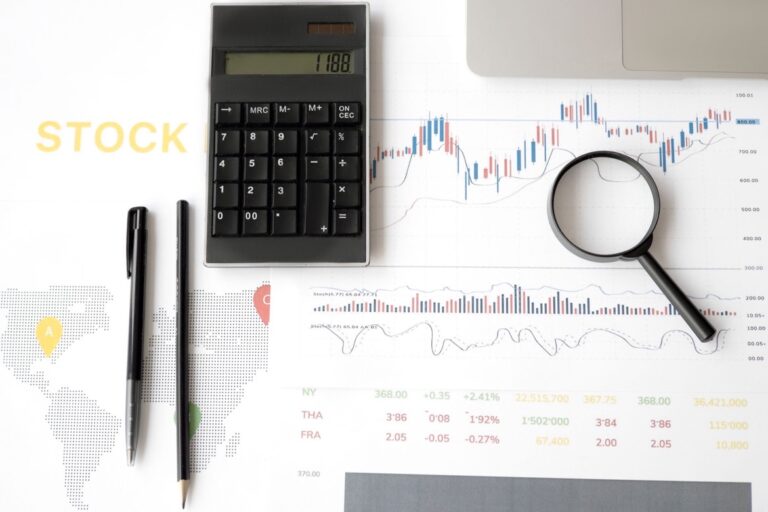
Company analysis evaluates a business model, financial statements, competitive position, management, valuation, and risks. Learn a practical beginner’s framework.

GDP measures the value of final goods and services produced within an economy. Learn its formula, real and nominal measures, growth drivers, uses, and important limitations.

Exchange-traded funds pool securities or other assets into shares that trade on an exchange throughout the market day. Learn how it works, why it matters, how to evaluate it, and...
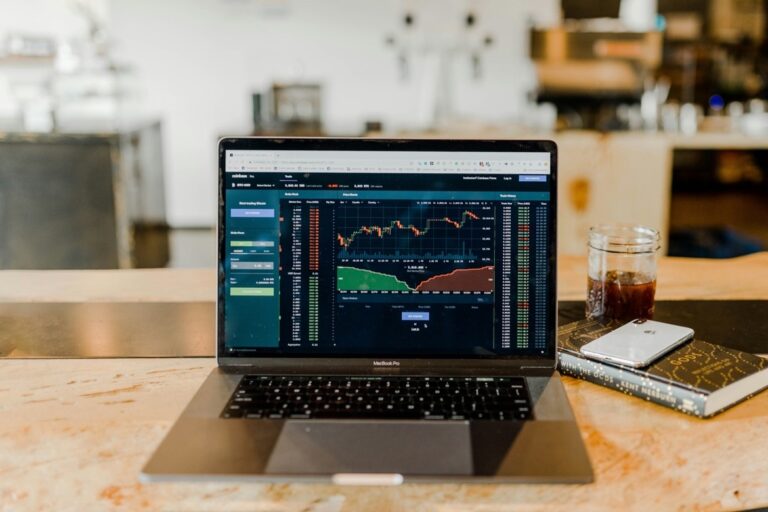
Technical analysis studies price, volume, momentum, and market behavior to identify trends, patterns, support, resistance, and potential turning points. Learn how it works, why it matters, how to evaluate it,...

Commercial banking provides deposits, lending, cash management, trade finance, and payment services to businesses. Learn how these relationships and risks work.

Fundamental analysis evaluates an asset using financial performance, competitive position, management, economic conditions, and estimated value. Learn how it works, why it matters, how to evaluate it, and which risks...

The business cycle describes recurring expansions and contractions in economic activity. Learn its phases, drivers, indicators, market effects, and policy responses.

Risk management identifies, measures, and controls exposures that could prevent an investor or institution from achieving its objectives. Learn how it works, why it matters, how to evaluate it, and...

Asset allocation divides a portfolio among investments such as stocks, bonds, cash, real estate, commodities, and alternative assets. Learn how it works, why it matters, how to evaluate it, and...

Corporate finance concerns how companies fund operations, allocate capital, manage liquidity, and return money to investors. Learn its decisions, tools, and trade-offs.

Portfolio management is the ongoing process of selecting, combining, monitoring, and adjusting investments to pursue defined objectives. Learn how it works, why it matters, how to evaluate it, and which...