Key Notes
- The ECB kept its deposit rate at 2.50%, main refinancing rate at 2.65% and marginal lending rate at 2.90% after September’s quarter-point increase.
- Higher energy costs threaten to lift inflation and weaken growth, while the ECB says underlying inflation and wage pressures remain broadly stable.
- Money markets priced in around a 67% chance of a December hike after the decision, but the ECB has not committed to a rate path.
The European Central Bank kept its three key interest rates unchanged on October 29, holding the deposit rate at 2.50% as rising energy costs threatened to prolong inflation while weakening economic growth.
The main refinancing rate remains at 2.65% and the marginal lending rate at 2.90%. The pause follows September’s quarter-point increase and leaves policymakers assessing how much pressure from the energy shock will spread into other prices and wages.
The Governing Council’s decision stressed that it was not committing to a particular rate path. Thursday’s hold was widely expected, but the central bank’s warnings about energy and the inflation outlook leave the prospect of further tightening in focus.
Three ECB Rates Stay Unchanged
The deposit facility rate is the ECB’s main signal for its monetary-policy stance. It pays banks for placing funds with the central bank overnight, and the ECB expects money-market rates to trade in its vicinity.
The other two rates serve different purposes. The 2.65% main refinancing rate sets the cost of the central bank’s one-week lending operations, while the 2.90% marginal lending facility provides overnight borrowing. They are related policy instruments, rather than alternative readings of the same rate.
The ECB’s explanation helps clarify why market coverage generally emphasizes the 2.50% deposit rate. None of these policy settings is a guaranteed mortgage, corporate-loan or retail-deposit rate; commercial terms also depend on funding costs, competition and borrower risk.
All three levels have been in effect since September 16. The ECB’s September 10 increase raised each by 25 basis points, making October a pause after tightening rather than a reversal of that move.
Energy Inflation Keeps Pressure on the Outlook
Eurostat’s final September figures put annual euro-area inflation at 3.8%, up from 3.2% in August. Prices increased 0.6% during the month, while core inflation excluding energy, food, alcohol and tobacco was 2.5% annually.
Energy inflation reached 18.9%, compared with 14.3% in August, and contributed 1.71 percentage points to the headline annual rate. Services prices rose 3.2% over the year. The final energy reading was slightly above the 18.8% flash estimate we previously reported.
The ECB said the greater scale and duration of the energy shock could raise inflation and lower growth. Its concern extends beyond immediate fuel bills: sustained input-cost increases can feed into other goods and services, while households may seek higher wages to protect purchasing power.
At the same time, the central bank described underlying inflation as broadly stable and wage pressures as moderate. That distinction matters: higher headline inflation does not by itself demonstrate that a new wage-price spiral has already developed.
Tighter Financing Conditions Weigh on Demand
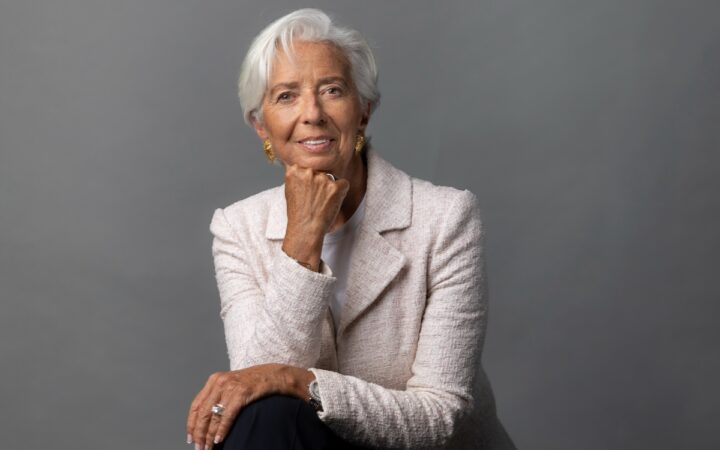
In her policy statement, President Christine Lagarde said financing conditions had tightened since the previous meeting. The euro-area economy appeared to have expanded in the third quarter, supported by recovering services, AI-related investment and government infrastructure and defense spending.
More expensive financing pulls in the opposite direction. Mortgage rates rose to 3.6% in August from 3.5% in July, while demand for mortgages declined substantially in the third quarter. Banks also tightened corporate lending standards as they became more concerned about customers’ economic risks.
This creates a difficult balance for policymakers. Raising rates can restrain demand and help limit the spread of inflation, but it cannot directly restore disrupted energy supplies. Keeping borrowing costs high also adds pressure on households and companies already absorbing larger energy bills.
December Hike Expectations Remain in Focus
CNBC reported, citing LSEG data, that money markets priced in around a 67% probability of a December rate increase after the announcement. That is a market assessment at a particular time, rather than a decision by the ECB.
Lagarde said the Governing Council had debated an increase before unanimously choosing to hold, according to CNBC’s press-conference coverage. She cited rising energy costs and a sharp increase in long-term financing costs, alongside broadly unchanged underlying inflation.
For investors, the distinction is between unchanged rates today and expectations for the months ahead. Bond yields, the euro and borrowing costs can respond to changes in the expected policy path even when the central bank leaves its current settings untouched.
Next Decision Comes Amid a Leadership Transition
The ECB’s calendar schedules its next monetary-policy decision for December 17. Incoming inflation, wage and credit data will help determine whether Thursday’s pause is followed by another increase.
The meeting also came on the day Lagarde announced that she would step down on February 7, 2027. That adds a succession question, but interest-rate decisions remain the responsibility of the Governing Council collectively.
The October outcome leaves the policy stance unchanged while preserving flexibility. The central bank’s next assessment will turn on whether the energy shock becomes more persistent, how far it spreads beyond energy and how strongly tighter financial conditions slow demand.