Key Notes
- Spot gold traded at $3,991.04 an ounce at 09:37 UTC on October 30, below the $4,000 threshold during an ongoing session.
- September PCE inflation rose to 3.6% annually, while the core measure reached 3.1% and kept price pressures in focus.
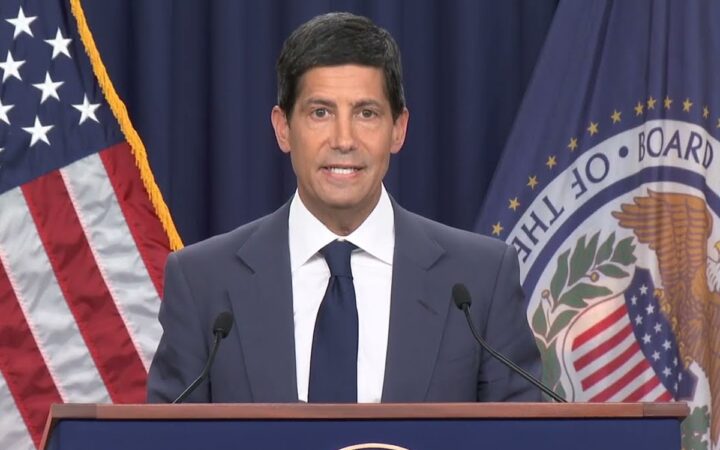
- The Fed held rates at 3.75%–4% this week, but two officials voted for an increase and traders continued to price in a December hike.
Gold fell back below $4,000 an ounce on October 30 as persistent US inflation and expectations of another Federal Reserve rate increase kept pressure on the precious metal. The renewed decline followed a week in which policymakers held borrowing costs steady but left investors facing the prospect of further tightening.
Spot gold was quoted at $3,991.04 an ounce at 09:37 UTC, down 0.75%, on Investing.com’s price feed. The session range at that snapshot was $3,965.37 to $4,026.43, showing that bullion had traded on both sides of the closely watched threshold.
The move renewed the test of a level gold breached during last week’s selloff, as we previously reported. Friday’s quotation is an intraday observation, with the trading session still underway.
Inflation Keeps Pressure on Bullion
The latest inflation figures gave investors little reason to dismiss the possibility of higher US interest rates. The Bureau of Economic Analysis reported that the personal consumption expenditures price index rose 0.5% in September, up from a 0.3% monthly increase in August.
Annual PCE inflation reached 3.6%. Excluding food and energy, prices increased 0.3% over the month and 3.1% from a year earlier, leaving underlying inflation above the Fed’s 2% objective as well.
Gold’s relationship with inflation depends partly on the policy response. Rising prices can encourage demand for an asset viewed as a store of value, but higher interest rates increase the income investors forgo by holding bullion, which pays no yield.
As we reported after Thursday’s economic releases, the inflation data arrived alongside continued US economic growth. For gold, that combination leaves the expected path of monetary policy central to the near-term outlook.
A Fed Pause Leaves December in Focus
The Fed maintained its target range at 3.75%–4% on October 28. Its official statement described economic activity as expanding strongly and inflation as elevated.
The decision was not unanimous. Governor Lisa Cook and Cleveland Fed President Beth Hammack voted for a quarter-point increase, producing a 10–2 split. Their dissents demonstrate that some policymakers already judged additional tightening appropriate.
Reuters reported on Friday that traders assigned roughly a 75% probability to a December increase, citing CME FedWatch. That figure describes market pricing at the time of the report and can change as new information arrives.
We previously covered the October decision. Holding rates at one meeting does not settle the outlook for the next, which explains why a pause has not removed the interest-rate headwind for gold.
Higher Oil Prices Create Competing Forces
Energy prices remain another complication. Reuters linked Friday’s pressure on gold to higher oil prices and inflation concerns, with crude heading toward a fourth monthly gain amid Middle East supply risks.
Geopolitical uncertainty can support demand for gold. Yet when an energy shock lifts inflation expectations and strengthens the case for higher borrowing costs, the same event can also work against bullion through interest-rate expectations.
The balance between those forces can shift quickly. Friday’s decline does not establish that investors have abandoned gold’s defensive role; it shows that this role does not insulate its dollar price from changes in the economic outlook.
Investment Flows Tell a Mixed Story
The World Gold Council’s September analysis illustrates why a single demand measure cannot explain the market. Gold ended that month at $4,176 an ounce, down 8.5%, even though global gold ETFs attracted $10 billion, equivalent to 67 tonnes.
Meanwhile, net managed-money positions on COMEX contracted by 84 tonnes. The council identified rising Treasury yields, a stronger dollar and futures liquidation as contributors to September’s weakness.
Those figures describe September, rather than Friday’s trading. They nevertheless show how buying through one investment channel can coexist with selling elsewhere and a falling price. Strong ETF inflows alone do not guarantee that a particular price level will hold.
The Next Test Is Whether $4,000 Holds
The immediate question is whether buyers can lift gold back above $4,000 and sustain the recovery. A move through a round-number threshold can attract attention without establishing a lasting floor or determining the direction of the next session.
For now, investors are weighing persistent inflation against the attraction of bullion during financial and geopolitical uncertainty. Changes in oil prices, Treasury yields and expectations for December’s Fed meeting remain the main tests for that balance.