Key Notes
- Apple’s first touchscreen MacBook Pro starts at $2,899, with M5 Pro and M5 Max models arriving November 6.
- Mac generated about $10.35 billion in June-quarter revenue, giving AAPL another premium hardware growth opportunity.
- The November 2 earnings call precedes deliveries, putting holiday demand and margins in focus.
Apple (NASDAQ: AAPL) unveiled its first touchscreen MacBook Pro on October 28, opening a new premium segment in its laptop lineup just ahead of the holiday shopping season. The 14-inch model starts at $2,899, while the 16-inch version starts at $3,399, with deliveries and store availability beginning November 6.
For Apple stock investors, the launch adds a potential upgrade driver ahead of the company’s November 2 earnings call. It also tests whether a substantially redesigned Mac can command higher spending as the wider personal computer market contracts and buyers face rising component costs.
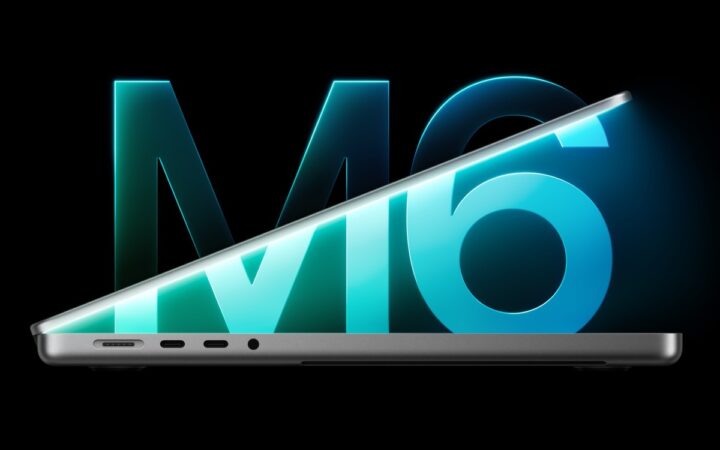
Apple’s announcement confirms OLED displays, touch controls and Dynamic Island for models powered by M5 Pro and M5 Max. These are separate from the $1,999 M6 MacBook Pro introduced a day earlier, which retains a Liquid Retina XDR display.
Touchscreen MacBook Pro Targets Premium Buyers
The new PROLED XDR display uses tandem OLED technology, with Apple advertising peak brightness of up to 2,000 nits and an adaptive refresh rate of up to 120Hz. Both sizes support direct interaction with the screen while retaining the keyboard and trackpad, making touch an additional input method rather than a replacement for conventional Mac controls.
Apple is bringing Dynamic Island to the Mac for features including Live Activities and Siri AI. The computers run macOS 27, with Apple adapting its own applications for touch and providing developers with tools to support gestures and more direct interaction.
The pricing range extends well beyond the entry models. M5 Max configurations start at $4,499 for the 14-inch laptop and $4,799 for the 16-inch version. Preorders opened October 28 in 30 countries and regions, giving Apple a premium offering ahead of the main holiday buying period.
For shareholders, the commercial question is whether the redesign persuades customers to replace older machines or choose more expensive configurations. Higher selling prices can support revenue, but the outcome also depends on unit demand, production costs and the mix of models customers actually purchase.
Mac Sales Provide a Measurable Growth Base
Apple’s most recently reported quarter already showed strong Mac growth. Its June-quarter filing reported approximately $10.35 billion in Mac revenue, up 29% from a year earlier, with higher laptop sales driving the increase.
That represented roughly 9.5% of Apple’s $109.42 billion in total quarterly revenue. The comparison puts the touchscreen launch in perspective: Mac is a meaningful business, but iPhone and Services remain substantially larger contributors to the company’s financial performance.
A successful premium refresh could strengthen Mac’s contribution without requiring a broad recovery in personal computer demand. Apple has not disclosed an order target, shipment forecast or expected revenue contribution for the new touchscreen models, so the launch alone does not establish how much additional growth they will generate.
A Weaker PC Market Complicates the Launch
The wider industry presents a difficult backdrop. CNBC reported, citing IDC, that global PC shipments fell 20% year over year in the calendar third quarter, while Apple’s shipments declined 11%. IDC expects the overall market to contract 11% for the full year.
Those July-to-September shipment estimates cover a different period from Apple’s June-quarter revenue figures. They also measure units rather than sales dollars, making them a signal of recent market conditions rather than a direct contradiction of the company’s earlier revenue growth.
Higher memory prices, partly driven by demand from AI infrastructure, are increasing pressure on computer pricing. The touchscreen launch gives Apple a visible new feature to sell into that environment, although buyers with limited budgets may still postpone upgrades or select less expensive machines.
Software Support Will Shape the Upgrade Appeal
Touchscreen hardware is only part of the proposition. Existing applications can translate basic touches into clicks, while developers can add more tailored interactions. Apple is positioning the display for creative work, including photo editing and manipulating objects directly on screen.
How consistently those features work across professional software will help determine whether touch becomes a regular part of Mac workflows. The laptops remain clamshell computers, and their usefulness will depend on how well screen interaction complements extended keyboard and trackpad use.
The launch also follows the worldwide debut of iPhone Duo. Together, the products broaden Apple’s premium holiday lineup, although enthusiasm around new hardware still needs to translate into delivered devices and recognized revenue.
November Earnings Put AAPL’s Outlook in Focus
Apple’s official investor calendar schedules its fiscal fourth-quarter earnings call for November 2 at 5 p.m. Eastern time. The reported September quarter predates November 6 MacBook deliveries, so those results will not include sales of the newly announced touchscreen models.
Management’s discussion of holiday demand, product availability and margins will therefore be more relevant to the launch’s immediate financial implications. Investors will also be able to assess the broader business before the new Mac lineup begins shipping.
For AAPL, the touchscreen MacBook Pro creates another opportunity to sustain premium hardware spending. Its eventual contribution will become clearer through holiday-quarter sales and profitability, alongside the much larger iPhone and Services businesses.