Key Notes
- The FOMC voted 10–2 to keep the federal funds target at 3.75%–4.00%, following September’s unanimous quarter-point increase.
- Lisa Cook and Beth Hammack dissented in favor of another quarter-point hike, which would have taken the range to 4.00%–4.25%.
- Kevin Warsh kept future policy decisions open as inflation remained elevated, with the next scheduled meeting set for December 8–9.
The Federal Reserve left interest rates unchanged at 3.75%–4.00% on Wednesday, October 28, pausing after September’s increase as two policymakers pushed for another quarter-point hike.
The Federal Open Market Committee voted 10–2 to maintain the target range. Governor Lisa Cook and Cleveland Fed President Beth Hammack dissented because they preferred an increase, according to the central bank’s statement.
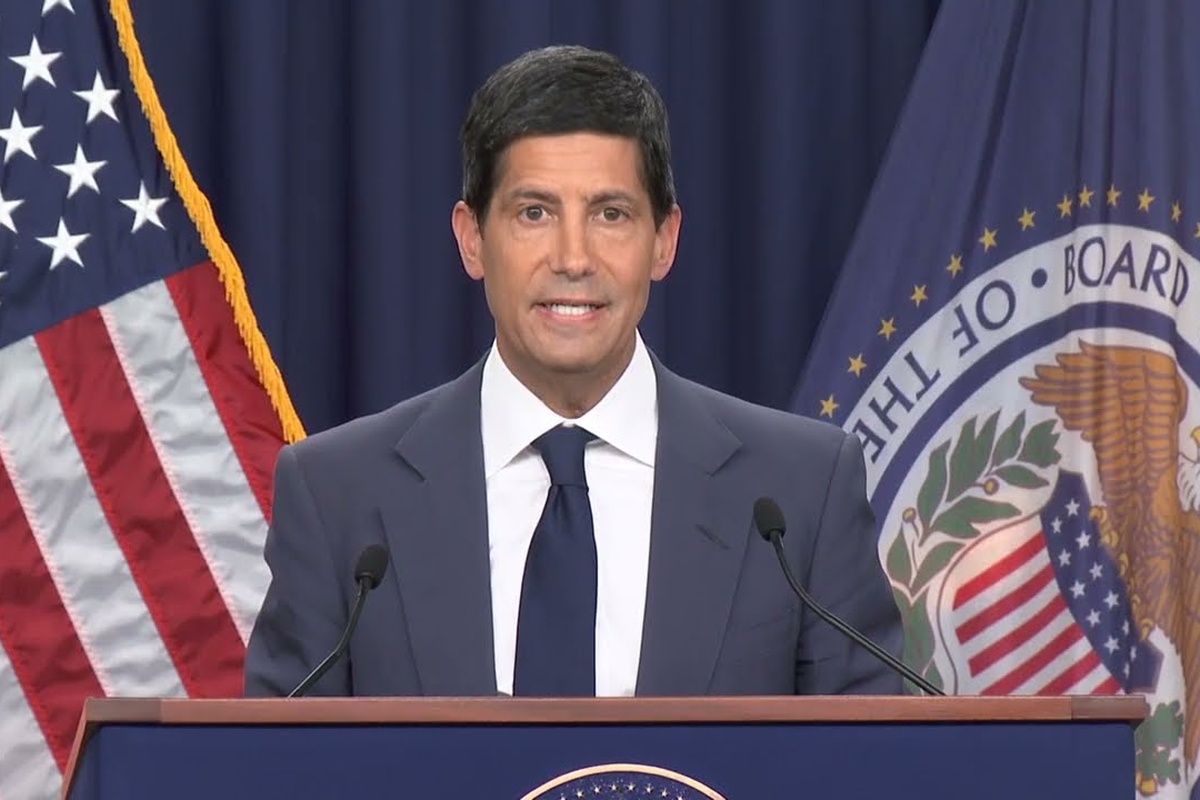
The decision leaves borrowing costs unchanged for now without establishing that the tightening cycle is over. Chair Kevin Warsh’s press conference, embedded above, provided the next explanation of how officials are balancing resilient growth against persistent inflation.
Two Dissenters Favor Another Rate Increase
Cook and Hammack preferred to raise the range by 0.25 percentage point. Had that position prevailed, the federal funds target would have moved to 4.00%–4.25%, rather than remaining at its current level.
The split contrasts with September 16, when all 12 voting members supported a quarter-point increase. That decision established the 3.75%–4.00% range the committee has now retained.
The dissent shows that some officials wanted more immediate restraint. It does not establish how the other members will vote at a later meeting, or imply that the majority has ruled out another increase.
We previously reported that investors and economists largely expected an October pause while keeping December tightening in view. Wednesday’s announcement resolves the immediate decision; the timing of any further move remains open.
Inflation Remains the Central Policy Challenge
The committee described economic activity as expanding strongly, with resilient domestic spending and robust capital investment. Its assessment of inflation remained unfavorable, and it said additional information would help determine the policy stance needed to return inflation to 2%.
The latest consumer-price report helps explain that focus. September CPI rose 0.6% over the month and 3.7% over the year, up from 3.4% annual inflation in August, the Bureau of Labor Statistics reported.
Core CPI, excluding food and energy, increased 2.6% annually. Gasoline accounted for more than half of September’s monthly headline increase, illustrating the pressure from energy even as policymakers assess broader price trends.
As we reported earlier, the data intensified scrutiny of the rate outlook. The Fed’s inflation objective is defined using the personal consumption expenditures price index, however, so CPI should not be treated as the exact measure of progress against that target.
Warsh Keeps Future Decisions Open
At the press conference, Warsh reiterated his opposition to routine forward guidance, while allowing that it can be useful in a crisis. His remarks left investors without a commitment to a particular sequence of rate decisions.
He also said financial and credit conditions had tightened for some businesses and households after September’s increase. He described investors as becoming more selective in their allocation of capital, CNBC reported in its coverage of the conference.
That assessment matters because changes in financing conditions are one way monetary policy affects spending and investment. Evidence that an earlier move is working can influence the case for waiting, even when inflation remains above the central bank’s objective.
Warsh separately announced a change in the meeting structure. The FOMC will still meet eight times annually, but one 2027 meeting will focus on strategy, with no rate vote or policy statement anticipated; two such sessions are planned for 2028, according to CNBC. Those future arrangements do not alter Wednesday’s rate decision.
A Pause Does Not Automatically Lower Borrowing Costs
The federal funds target is an overnight policy rate, rather than the interest rate directly charged on every mortgage, credit card or corporate bond. A hold therefore does not guarantee that all consumer or business financing costs remain unchanged.
Longer-term market rates incorporate expectations for future policy, inflation and other risks. Corporate borrowing costs also include compensation for credit risk, while lenders set retail rates according to the terms of individual products.
For stock investors, the distinction is between an unchanged decision today and the expected path of financing costs. A pause can coexist with a restrictive outlook if investors believe another increase is likely, while a change in expectations can move bond prices and equity valuations before the Fed acts.
The implementation details also distinguish the target range from the tools used to maintain it. The Fed’s implementation note keeps interest on reserve balances at 3.90% and the primary credit rate at 4.00%, effective October 29. Those administrative rates are separate from the FOMC’s 10–2 vote on the target range.
December Brings the Next Scheduled Decision
The next scheduled FOMC meeting takes place on December 8–9, according to the Fed’s calendar. It is also scheduled to include a new Summary of Economic Projections.
Those forecasts will provide another view of how officials assess growth, unemployment, inflation and the appropriate policy path. Individual projections are conditional judgments, rather than promises that the committee will deliver a specific outcome.
Before then, incoming inflation and employment reports will shape the debate. The two dissents establish that a case for an immediate hike existed in October, but they do not make a December increase automatic.
Wednesday’s outcome leaves the Fed in a holding pattern after September’s tightening: rates stay at 3.75%–4.00%, inflation remains a central concern, and the next move depends on the evidence officials receive.
Edited by Michael Foster