Condom prices could increase by up to 30% as the Iran war drives higher costs and disrupts supply chains, according to global producer Karex.
By Nathan Cole | Edited by Oleg Petrenko
Published:
Condom prices may rise by up to 30% as the Iran war increases costs and disrupts global supply chains, according to leading producer Karex. Photo: Nataliya Vaitkevich / Pexels
Global condom prices could rise by as much as 30% as the Iran war drives up costs and disrupts supply chains, according to Karex, the world’s largest manufacturer of condoms.
The Malaysia-based company, which produces more than 5 billion units annually and supplies major brands such as Durex and Trojan, warned that geopolitical tensions are already impacting raw material costs, logistics, and currency dynamics.
The expected price increase highlights how the conflict is extending beyond energy markets into consumer goods, affecting even essential healthcare products.
Rising Costs and Supply Chain Disruptions Drive Price Pressure
Karex said the Iran war has contributed to higher transportation costs and increased volatility in raw material pricing, particularly for latex, a key input in condom production.
Energy prices, which influence manufacturing and shipping expenses, have also been affected by the conflict, adding further pressure on margins.
Currency fluctuations in emerging markets are compounding the issue, making imports more expensive and increasing overall production costs.
As previously covered, geopolitical tensions in the Middle East have had ripple effects across global supply chains, impacting industries far beyond oil and gas.
The company indicated that price adjustments may be necessary to offset rising costs, with increases potentially passed on to distributors and consumers.
The potential price surge underscores how geopolitical shocks can feed into broader inflationary pressures, even in sectors typically considered stable.
Higher prices for basic healthcare products could have wider social implications, particularly in developing markets where affordability is a key concern.
For investors, the development signals ongoing supply chain fragility and cost volatility, themes that have persisted across global markets in recent years.
Companies operating in consumer goods sectors may face similar challenges, balancing cost increases with pricing strategies in a sensitive demand environment.
The situation also reinforces a broader market trend: geopolitical risks are increasingly influencing pricing dynamics across a wide range of industries.
As the conflict evolves, analysts expect continued volatility in both commodity prices and downstream consumer goods, with potential implications for inflation and corporate margins globally.
Quantinuum, Honeywell’s quantum computing unit, has confidentially filed for a U.S. IPO, signaling growing investor interest in next-generation computing.
By Daniel Wright | Edited by Oleg Petrenko
Published:
Updated:
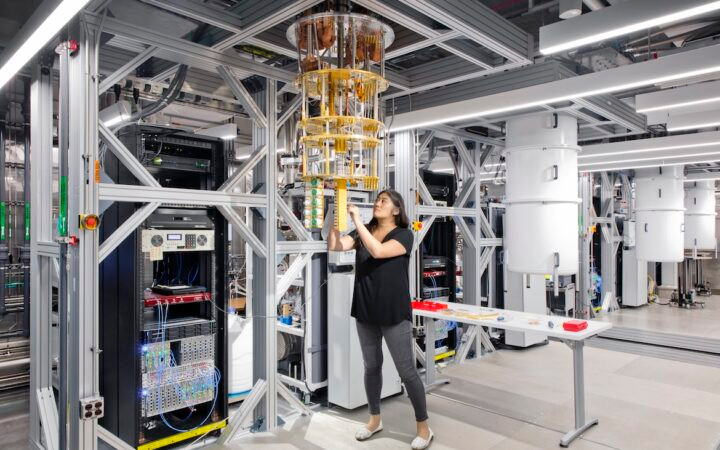
Quantinuum, Honeywell’s quantum computing division, has confidentially filed for a U.S. IPO, highlighting rising investor interest in next-generation computing. Photo: Oleg Petrenko / MarketSpeaker
Quantinuum, the quantum computing unit backed by Honeywell, has confidentially filed for an initial public offering in the United States, marking a significant step toward bringing one of the sector’s leading players to public markets.
The confidential filing allows the company to move forward with IPO preparations while keeping key financial details private until later stages of the process. Timing and valuation have not yet been disclosed.
The move comes amid growing investor interest in quantum computing, as advances in artificial intelligence and high-performance computing drive demand for next-generation technologies.
Quantum Computing Push Gains Momentum Ahead of IPO Wave
Quantinuum is considered one of the more advanced players in the quantum computing space, focusing on both hardware and software solutions designed to solve complex computational problems.
The company has been positioning itself at the forefront of the industry, targeting applications in areas such as cybersecurity, materials science, and drug discovery.
Its backing by Honeywell provides both financial support and industrial expertise, strengthening its credibility in a sector that remains highly technical and capital-intensive.
As previously covered, quantum computing has increasingly attracted investor attention as a long-term growth opportunity, particularly as breakthroughs in AI and computing accelerate interest in alternative processing architectures.
The confidential IPO filing suggests that Quantinuum is seeking to capitalize on favorable market conditions, including strong demand for emerging technology listings.
Market Implications Highlight Rising Interest in Advanced Computing
The planned IPO underscores a broader trend of capital flowing into advanced computing sectors, including quantum technology, AI infrastructure, and semiconductors.
Investors are increasingly looking for exposure to next-generation technologies that could reshape industries over the coming decades.
However, the quantum computing sector remains in an early stage, with limited near-term revenue visibility and significant technical challenges still to overcome.
Analysts caution that valuations in the space may reflect long-term potential rather than immediate financial performance.
For markets, Quantinuum’s IPO will serve as a key test of investor appetite for quantum computing companies, particularly as part of a broader wave of technology listings expected in 2026.
The outcome could influence how future advanced computing firms approach public markets and capital raising strategies.
Nvidia and Google announced a major partnership to develop AI infrastructure, combining hardware and software to advance ‘physical’ and agentic AI systems.
By Daniel Wright | Edited by Oleg Petrenko
Published:
Updated:
Nvidia and Google unveiled a major partnership to build AI infrastructure, integrating hardware and software to advance 'physical' and agentic AI systems. Photo: Oleg Petrenko / MarketSpeaker
Nvidia and Google have announced a sweeping partnership aimed at advancing both software and hardware capabilities in artificial intelligence, with a focus on building large-scale “AI factories” to support next-generation computing.
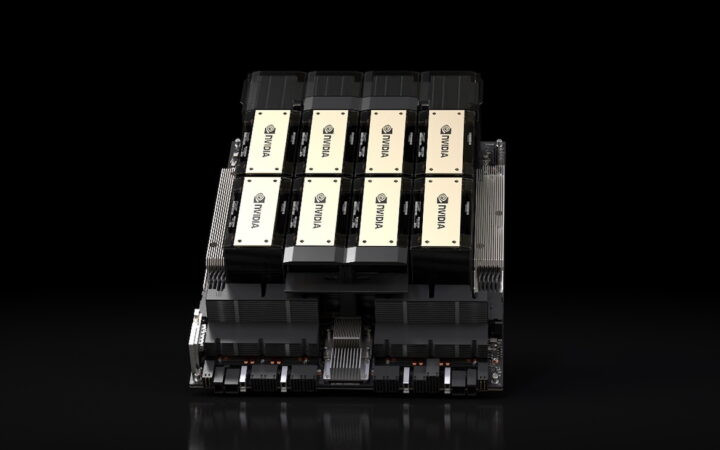
The collaboration combines Nvidia’s latest GPU architecture including Blackwell and Rubin systems with Google Cloud’s infrastructure and Gemini AI models, enabling enterprises to develop and deploy advanced AI applications at unprecedented scale.
The initiative reflects growing demand for integrated AI ecosystems, where computing power, software models, and cloud infrastructure work together seamlessly.
Partnership Targets Next Wave of AI Infrastructure
At the core of the partnership is the concept of “AI factories” – massive computing environments designed to train and deploy increasingly complex AI systems.
The companies said these systems will support both “agentic AI”, capable of autonomous decision-making, and “physical AI”, which integrates intelligence into real-world systems such as robotics and industrial automation.
Google Cloud will offer distributed infrastructure powered by Nvidia GPUs, including configurations that can scale to nearly one million Rubin GPUs, significantly expanding computing capacity for enterprise clients.
The partnership also integrates Nvidia’s AI software stack, including NeMo and Nemotron models, with Google’s Gemini platform, creating a unified environment for developers.
As previously covered, demand for AI infrastructure has surged globally, with companies investing heavily in data centers, chips, and software platforms to support the rapid growth of generative AI and automation technologies.
Market Implications Highlight Intensifying AI Infrastructure Race
The collaboration underscores intensifying competition in the AI infrastructure space, where major technology companies are racing to build end-to-end ecosystems.
Nvidia, already dominant in AI hardware, is expanding its reach into software and services, while Google continues to strengthen its cloud and AI offerings to compete with other hyperscalers.
For investors, the partnership signals continued momentum in capital spending on AI infrastructure, a key driver of growth for both companies.
At the same time, the scale of investment required raises questions about long-term returns, as companies commit billions of dollars to build out next-generation computing capabilities.
The concept of “AI factories” also reflects a shift toward industrial-scale AI deployment, moving beyond experimental use cases to full-scale integration across industries.
For markets, the deal reinforces a central theme: the AI race is increasingly about ecosystem dominance, with partnerships playing a critical role in shaping the competitive landscape.
Investors will be watching closely to see how quickly these initiatives translate into revenue growth and whether demand for AI infrastructure can sustain its current pace.
Adobe unveiled a $25 billion share buyback program as it seeks to boost investor confidence while expanding its AI-driven product suite.
By Oleg Petrenko
Published:
Adobe announced a $25 billion share buyback program to bolster investor confidence while continuing to expand its AI-driven product lineup. Photo: Oleg Petrenko / MarketSpeaker
Adobe has announced a $25 billion share buyback program, signaling a strong commitment to returning capital to shareholders while addressing investor concerns over intensifying competition in artificial intelligence.
The repurchase authorization will run through April 2030, giving the company flexibility to execute buybacks over the coming years. The move comes as Adobe faces growing scrutiny over how effectively it can compete with emerging AI tools reshaping the creative software landscape.
Shares reacted modestly following the announcement, as investors weighed the impact of capital returns against long-term growth prospects in an increasingly competitive environment.
Buyback Aims to Support Valuation Amid AI Competition
The buyback program is widely seen as a strategic effort to stabilize Adobe’s stock and reinforce confidence in its underlying business model.
Companies often deploy share repurchases to signal that management views the stock as undervalued, while also improving earnings per share by reducing the number of outstanding shares.
Adobe’s move comes amid rising competition from AI-driven platforms that offer automated design, image generation, and content creation tools—areas that overlap with its core products.
In response, Adobe has been investing heavily in its own AI capabilities, including its Firefly platform, which integrates generative AI features across its Creative Cloud ecosystem.
As previously covered, the emergence of generative AI has disrupted traditional software models, forcing incumbents to adapt quickly to maintain market share.
Market Reaction Reflects Balance Between Growth and Capital Returns
The announcement highlights a broader tension facing technology companies: balancing investment in future growth with the need to deliver near-term shareholder returns.
While the $25 billion buyback provides immediate support for Adobe’s stock, investors remain focused on the company’s ability to monetize AI innovations and defend its competitive position.
Analysts note that Adobe continues to generate strong cash flow, providing the financial flexibility to fund both buybacks and ongoing AI development.
However, questions remain about pricing power and customer retention as lower-cost or free AI tools gain traction among users.
For investors, the key issue is whether Adobe can successfully integrate AI into its platform in a way that drives incremental revenue rather than cannibalizing its existing business.
The buyback underscores management’s confidence in the company’s long-term outlook, but also reflects the growing importance of AI as a defining factor in valuation and investor sentiment.
SpaceX is considering acquiring AI startup Cursor for $60 billion or pursuing a $10 billion partnership, as it expands its AI strategy ahead of a potential IPO.
By Daniel Wright | Edited by Oleg Petrenko
Published:
SpaceX is weighing a $60 billion acquisition of AI startup Cursor or a $10 billion partnership as it expands its AI strategy ahead of a potential IPO. Photo: SpaceX / Pexels
SpaceX is exploring a major expansion into artificial intelligence through a potential $60 billion acquisition of AI startup Cursor, or alternatively, a $10 billion strategic partnership if a full deal does not materialize.
The move comes as the company ramps up its positioning ahead of a widely anticipated initial public offering, signaling an aggressive push to integrate AI capabilities into its broader technology ecosystem.
SpaceX said it has secured the option to acquire Cursor later this year, while also outlining a fallback plan to invest billions into a partnership focused on joint development and collaboration.
AI Expansion Reflects Strategic Positioning Ahead of IPO
The potential deal underscores SpaceX’s ambition to deepen its presence in artificial intelligence, an area increasingly seen as critical to future growth across multiple industries.
Cursor, a coding-focused AI startup, has gained attention for its developer tools and AI-assisted programming capabilities, making it a strategic asset in the broader AI infrastructure landscape.
The initiative follows SpaceX’s earlier acquisition of xAI, Elon Musk’s AI venture, further consolidating its position in the sector. The integration process has already triggered organizational changes, with founding team members departing and the company undergoing internal restructuring.
As previously covered, AI has become a central theme driving valuations across both public and private markets, with companies seeking to secure strategic assets ahead of a wave of high-profile IPOs.
For SpaceX, combining AI with its existing capabilities in aerospace, satellite communications, and data infrastructure could unlock new revenue streams and enhance its technological edge.
Market Implications Highlight Intensifying AI Investment Race
The scale of the proposed deal highlights the intensifying competition among major technology players to secure leadership in artificial intelligence.
A $60 billion acquisition would rank among the largest tech deals in recent history, reflecting the premium investors and companies are placing on AI assets.
Even the alternative $10 billion partnership would represent a significant commitment, signaling strong confidence in the commercial potential of AI-driven development tools.
Investors are likely to view the move as a strategic effort to strengthen SpaceX’s long-term growth narrative ahead of its IPO, where AI exposure could play a key role in valuation.
However, analysts caution that large-scale acquisitions carry execution risks, particularly in integrating fast-growing startups into complex organizational structures.
For markets, the development reinforces a broader trend: AI is becoming a core battleground for capital allocation, with companies willing to deploy significant resources to secure competitive advantages.
The outcome of SpaceX’s plans with Cursor will be closely watched as a signal of how aggressively companies are positioning themselves in the next phase of the AI economy.
Donald Trump said a potential deal with Anthropic for Department of Defense use is possible, highlighting growing government interest in AI technologies.
By Michael Foster | Edited by Oleg Petrenko
Published:
Updated:
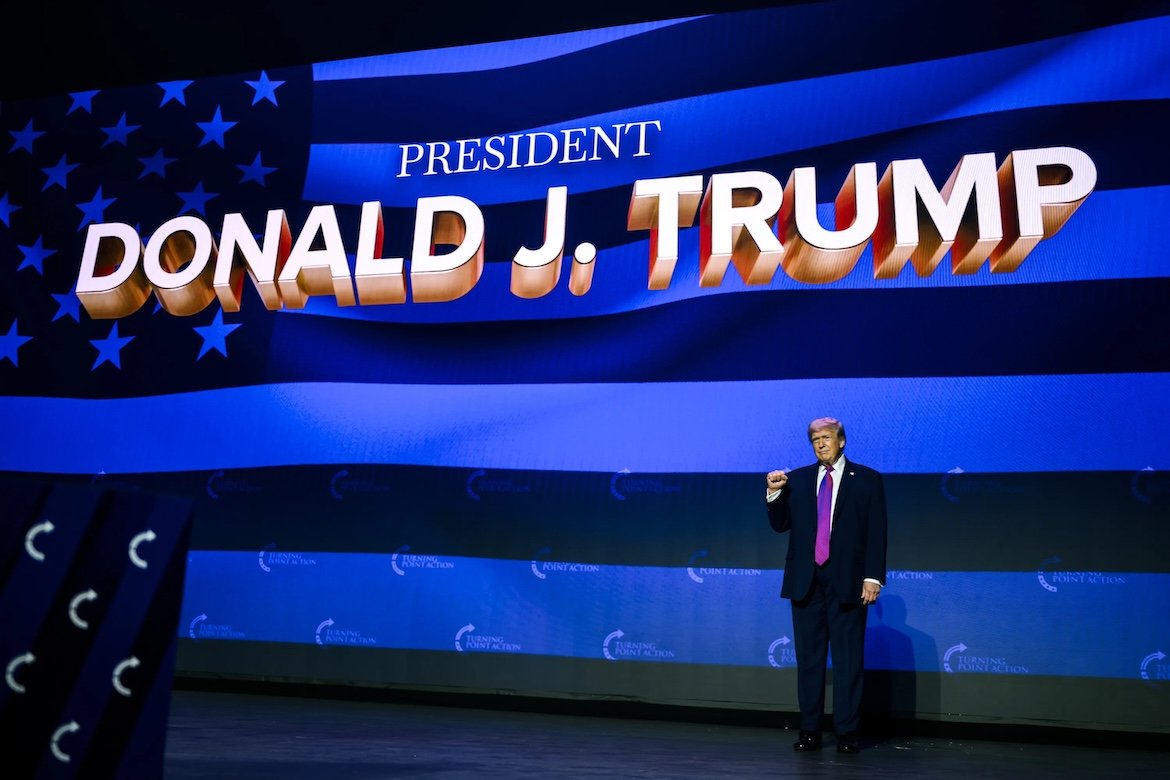
Donald Trump said a potential deal with Anthropic for Department of Defense use is possible, underscoring growing government interest in AI technologies. Photo: Oleg Petrenko / MarketSpeaker
President Donald Trump said his administration is in advanced discussions with AI company Anthropic, indicating that a potential deal involving the U.S. Department of Defense is “possible”.
The comments followed what Trump described as “very good talks” with Anthropic during a recent meeting at the White House, signaling increasing alignment between government priorities and private-sector AI development.
The potential partnership underscores the growing role of artificial intelligence in national security, as governments seek to integrate advanced technologies into defense systems and strategic operations.
Government Push Into AI Expands Defense Applications
The discussions reflect a broader push by the U.S. government to incorporate AI into military and intelligence capabilities.
Anthropic, known for its large language models and AI safety focus, is emerging as a key player in the next generation of AI platforms, attracting interest from both commercial and government clients.
Defense applications could include data analysis, decision support systems, cybersecurity, and autonomous operations, areas where AI is expected to play an increasingly central role.
As previously covered, major AI firms have been exploring partnerships with government agencies, though such collaborations often raise questions around ethics, regulation, and operational transparency.
The potential deal would position Anthropic alongside other technology companies working with the Department of Defense to modernize capabilities through AI.
Market Implications Highlight Strategic Value of AI Firms
Trump’s comments highlight how AI companies are becoming strategically important assets in both economic and geopolitical contexts.
Investors are increasingly valuing firms not only for their commercial potential but also for their relevance in government and defense applications.
A formal agreement with the Department of Defense could provide Anthropic with a significant revenue stream and long-term contract visibility, while also enhancing its credibility in the broader AI ecosystem.
At the same time, such partnerships may attract regulatory scrutiny and public debate, particularly around the use of AI in military settings.
For markets, the development reinforces a key theme: AI is rapidly transitioning from a purely commercial technology into a critical component of national infrastructure and security.
The outcome of the discussions will be closely watched as a signal of how governments and AI companies collaborate in shaping the future of defense technology.
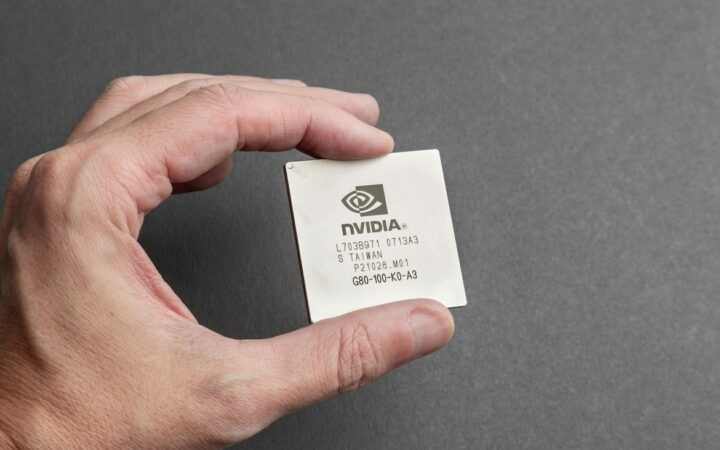
Shares of Nvidia supplier Victory Giant surged 60% in its Hong Kong debut, marking the city’s largest IPO launch of the year so far.
By Daniel Wright | Edited by Oleg Petrenko
Published:
Updated:
Shares of Nvidia supplier Victory Giant jumped 60% in its Hong Kong debut, marking the city’s largest IPO listing of the year to date. Photo: Victory Giant Technology / Wikimedia
Shares of Victory Giant Technology surged approximately 60% in their Hong Kong trading debut, marking the city’s largest initial public offering of the year and underscoring strong investor appetite for AI-linked semiconductor suppliers.
The company, a supplier to Nvidia, benefited from robust demand as investors continue to seek exposure to the artificial intelligence ecosystem, particularly in hardware and supply chain segments supporting chip production.
The strong performance highlights how capital markets remain highly receptive to companies positioned within the AI value chain, even as broader market conditions remain mixed.
AI Supply Chain Demand Drives Investor Interest
Victory Giant operates in the printed circuit board (PCB) segment, a critical component in high-performance computing systems used in AI applications.
Its ties to Nvidia one of the leading beneficiaries of the AI boom have positioned the company as a proxy investment for continued growth in data centers, cloud computing, and advanced chip infrastructure.
The IPO’s success reflects broader investor demand for semiconductor suppliers, which are increasingly viewed as essential enablers of AI development rather than just peripheral players.
As previously covered, companies across the AI hardware ecosystem from chip designers to component manufacturers have attracted significant capital inflows amid surging demand for computing power.
The offering also signals renewed momentum in Hong Kong’s IPO market, which has seen a resurgence in listings tied to high-growth technology sectors.
Market Momentum Highlights Continued AI Investment Theme
The sharp rally in Victory Giant shares underscores the ongoing strength of the AI investment theme, which continues to drive market performance across regions.
Investors are increasingly targeting companies that provide foundational infrastructure for AI, including components, manufacturing equipment, and specialized materials.
However, analysts caution that such strong debut performances can also reflect elevated expectations, leaving stocks vulnerable to volatility if growth fails to meet projections.
The success of the IPO may encourage other semiconductor and AI-related firms to pursue listings, particularly in Asian markets where demand for tech exposure remains strong.
For markets, the debut reinforces a key trend: the AI boom is extending beyond headline companies to include a broader ecosystem of suppliers and infrastructure providers.
Victory Giant’s performance will be closely watched as an indicator of investor sentiment toward the next wave of AI-driven industrial growth.
Apple will appoint hardware chief John Ternus as CEO, with Tim Cook transitioning to executive chairman, marking a major leadership shift at the tech giant.
By Emma Clarke | Edited by Oleg Petrenko
Published:
Updated:
Apple is set to name hardware chief John Ternus as CEO, with Tim Cook moving into the role of executive chairman, marking a significant leadership transition at the company. Photo: Apple
Apple is set to appoint John Ternus, its senior vice president of hardware engineering, as chief executive officer, replacing Tim Cook, who will transition to executive chairman of the board starting September 1.
The leadership change marks a pivotal moment for the company, which has grown into a more than $4 trillion market capitalization giant under Cook’s tenure. Apple shares slipped about 0.89% following the news, reflecting initial investor caution around the transition.
Ternus, who has overseen development of key products including the iPhone, iPad, and Mac, is widely seen as a central figure in Apple’s hardware innovation strategy.
The appointment signals a move toward a more engineering-driven leadership approach, as Apple continues to prioritize hardware innovation alongside its expanding services ecosystem.
Ternus has played a critical role in Apple’s product roadmap, including the transition to in-house silicon chips and the evolution of its core device lineup.
Tim Cook, who became CEO in August 2011 following the death of Steve Jobs, will remain closely involved in the company as executive chairman, providing strategic oversight and continuity.
During Cook’s tenure, Apple’s market value grew from approximately $350 billion to over $4 trillion, driven by strong iPhone sales, ecosystem expansion, and a growing services business.
As previously covered, leadership transitions at major technology companies often signal shifts in strategic priorities, particularly in balancing product innovation with operational execution.
Market Reaction Highlights Investor Focus on Execution and Growth
The modest decline in Apple’s stock reflects investor uncertainty about how the leadership change could impact execution and long-term growth.
While Ternus brings deep product expertise, investors will be watching closely to see how he manages broader strategic areas such as services growth, supply chain operations, and global market expansion.
The transition comes at a time when Apple faces slowing hardware demand in certain segments and increasing competition in key markets, including China.
At the same time, the company continues to invest in emerging technologies such as artificial intelligence, mixed reality, and custom silicon, which are expected to drive future growth.
For investors, the key question is whether Ternus can maintain Apple’s balance between innovation and profitability while navigating an increasingly competitive and complex global landscape.
The leadership shift underscores a broader theme in Big Tech: the next phase of growth may depend as much on execution and product innovation as on scale and ecosystem strength.
The Trump administration has begun issuing up to $166 billion in tariff refunds to importers following a Supreme Court decision, with payments expected to take months or longer.
By Benjamin Harper | Edited by Oleg Petrenko
Published:
The Trump administration has started returning up to $166 billion in tariffs to importers after a Supreme Court ruling, with payments expected to take months or longer to complete. Photo: The White House
The Trump administration has launched what is expected to be the largest tariff refund program in U.S. history, initiating the return of approximately $166 billion previously collected from importers following a Supreme Court ruling.
The refunds will primarily be directed to companies that paid the tariffs, rather than consumers, marking a significant shift in how trade-related costs are redistributed across the economy.
Officials said payments will be processed electronically through U.S. Customs and Border Protection (CBP), with interest included. Initial disbursements are expected within 60 to 90 days, though the full process could extend over several years due to the scale of claims.
Legal Ruling Triggers Massive Redistribution to Businesses
The Supreme Court decision effectively invalidated portions of earlier tariff collections, setting the stage for large-scale repayments to affected importers.
The majority of funds will flow back to corporations, reflecting how tariff costs were historically borne. Analysts estimate that up to 90% of tariff-related expenses were ultimately absorbed by businesses and consumers through higher prices.
However, there is no legal requirement for companies to pass refunds on to customers, raising the possibility that much of the capital will remain on corporate balance sheets.
This dynamic is expected to spark legal disputes, particularly from consumer groups and downstream businesses seeking a share of the refunded funds.
As previously covered, tariff policies have played a central role in U.S. trade strategy over the past decade, influencing supply chains, pricing, and corporate margins.
Market and Economic Implications Remain Uncertain
The scale of the refund program introduces both opportunities and uncertainties for markets.
For corporations, the influx of capital could improve liquidity, support balance sheets, and potentially fund share buybacks, capital expenditures, or debt reduction.
At the same time, the absence of clear rules on redistribution may lead to uneven economic effects, with benefits concentrated among large importers rather than broadly distributed across consumers.
Legal risks are also emerging as a key concern. A wave of lawsuits could delay payouts or reshape how funds are ultimately allocated.
From a macroeconomic perspective, the refunds could provide a modest stimulus effect, though the impact will depend on how companies deploy the returned capital.
Investors are likely to monitor which sectors benefit most, particularly industries with significant import exposure such as retail, manufacturing, and technology.
The program underscores the complex interplay between trade policy, legal frameworks, and market dynamics, as one of the largest financial redistributions in recent history begins to unfold.
Blue Origin successfully reused and landed its New Glenn booster for the first time, but the mission failed to place its satellite into the correct orbit.
By Michael Foster | Edited by Oleg Petrenko
Published:
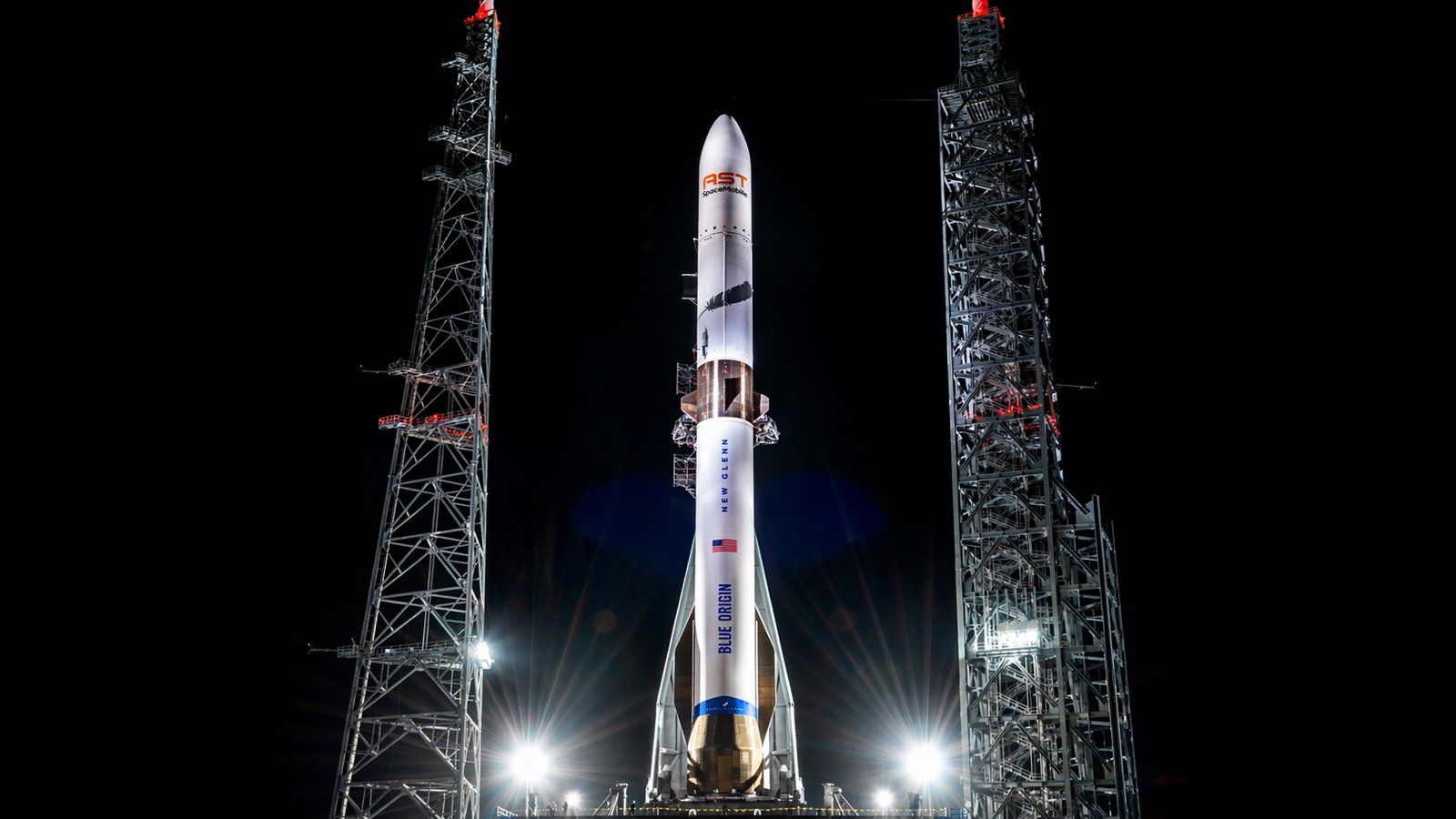
Blue Origin successfully reused and landed its New Glenn booster for the first time, but failed to deliver the satellite into the intended orbit. Photo: Blue Origin / X
Blue Origin has successfully reused its heavy-lift New Glenn rocket for the first time, marking a major milestone in the company’s push toward reusable launch systems though the mission ultimately failed to achieve its primary objective.
The rocket launched with a previously flown booster, which was successfully recovered and landed on a platform in the Atlantic Ocean approximately six minutes after liftoff. However, the payload a satellite designed for direct-to-smartphone communication was not delivered to its intended orbit.
The mixed outcome highlights both the progress and ongoing challenges in Blue Origin’s effort to compete in the increasingly competitive space launch market.
Reusable Milestone Signals Progress in Launch Economics
The successful reuse and landing of the New Glenn booster represents a critical step toward reducing launch costs and improving operational efficiency.
Reusable rocket technology has become a key differentiator in the space industry, allowing companies to lower expenses and increase launch frequency. Blue Origin’s achievement brings it closer to competing with established players that have already demonstrated consistent reuse capabilities.
The New Glenn rocket is designed to carry heavy payloads into orbit, targeting commercial satellite launches, government missions, and future space infrastructure projects.
As previously covered, the race to develop reliable reusable launch systems is intensifying, with companies seeking to capture a growing share of the global launch market.
The ability to recover and reuse boosters is expected to play a central role in long-term profitability and scalability in the sector.
Mission Failure Highlights Execution Risks in Space Industry
Despite the successful booster recovery, the mission’s failure to place the satellite into the correct orbit underscores the technical complexity and risks associated with space launches.
Accurate orbital insertion is critical for satellite functionality, particularly for communications systems designed to connect directly with smartphones.
The setback may delay deployment timelines and raise questions about reliability, especially as Blue Origin seeks to secure additional commercial contracts.
At the same time, industry analysts note that early-stage missions often encounter setbacks, particularly when introducing new technologies or mission profiles.
For investors and market observers, the event reflects a broader theme in the space sector: rapid technological progress is often accompanied by operational risk.
Blue Origin’s ability to learn from the failure and improve future mission performance will be key to establishing credibility and competitiveness in the evolving space launch landscape.
Tesla launched its robotaxi service in Dallas and Houston, marking a further expansion of its autonomous ride-hailing network in the U.S.
By Daniel Wright | Edited by Oleg Petrenko
Published:
Tesla rolled out its robotaxi service in Dallas and Houston, expanding its autonomous ride-hailing network further across the U.S. Photo:
Maxim / Unsplash
Tesla has expanded its robotaxi service to Dallas and Houston, extending its autonomous ride-hailing network beyond its initial launch in Austin and accelerating its push into AI-driven mobility.
The company showcased its Model Y vehicles operating without a human driver or front-seat monitor, signaling continued progress in fully autonomous driving technology. Tesla also released service maps outlining coverage areas in both cities, though it did not disclose details on fleet size or pricing.
The expansion marks a significant milestone in Tesla’s broader strategy to commercialize self-driving technology and generate new revenue streams beyond traditional vehicle sales.
Autonomous Expansion Signals Progress in AI-Driven Mobility
Tesla’s robotaxi rollout reflects years of investment in its Full Self-Driving (FSD) software, which relies heavily on neural networks and real-world driving data to improve performance.
By launching in multiple cities, Tesla is testing the scalability of its autonomous system in different traffic environments, road conditions, and regulatory frameworks.
Dallas and Houston represent large, high-traffic urban markets, offering a critical testing ground for refining the service and gathering additional data.
As previously covered, Tesla has positioned its robotaxi initiative as a key pillar of its long-term growth strategy, with CEO Elon Musk previously suggesting the service could significantly boost the company’s valuation if successfully scaled.
The move also places Tesla in direct competition with other autonomous ride-hailing providers, including Alphabet’s Waymo and traditional mobility platforms exploring driverless solutions.
Market Implications Highlight New Revenue Opportunities and Risks
The expansion of robotaxi services is being closely watched by investors as a potential catalyst for Tesla’s next phase of growth.
Autonomous ride-hailing could offer higher-margin revenue streams compared to vehicle sales, particularly if Tesla can achieve large-scale deployment with minimal human oversight.
However, significant challenges remain, including regulatory approval, safety validation, and public adoption. The absence of disclosed pricing or fleet size suggests the service is still in an early-stage rollout phase.
At the same time, competition in the autonomous driving space continues to intensify, with both technology companies and automakers investing heavily in similar capabilities.
For markets, Tesla’s expansion reinforces a key theme: AI-driven mobility is emerging as one of the most important battlegrounds in the next generation of transportation.
Investors will be watching closely for updates on usage metrics, safety performance, and revenue contribution as Tesla continues to scale its robotaxi network.
Robotics stocks including AeroVironment, Rockwell, and Symbotic are gaining attention as AI adoption accelerates automation across industries in 2026.
By Daniel Wright | Edited by Oleg Petrenko
Published:
Robotics stocks such as AeroVironment, Rockwell, and Symbotic are attracting increased attention as AI adoption accelerates automation across industries in 2026. Photo: Kindel Media / Pexels
Robotics stocks are drawing renewed investor interest in 2026 as artificial intelligence accelerates automation across industries, from manufacturing and logistics to defense and autonomous systems.
Companies including AeroVironment, Rockwell Automation, Symbotic, Tesla, Honeywell and Teradyne are emerging as key players in this trend, supported by strong revenue growth and expanding commercial adoption of robotics technologies.
The sector is benefiting from a structural shift as businesses seek to reduce labor costs, improve efficiency, and deploy AI-powered systems capable of handling increasingly complex tasks.
AI Adoption and Automation Demand Drive Sector Momentum
AeroVironment has stood out with rapid growth, reporting revenue expansion of over 140% and securing more than $1.1 billion in orders, driven by demand for autonomous drones and defense-related robotics systems.
Rockwell Automation has delivered steady performance, with sales rising about 12% and operating profits increasing 36%, reflecting strong demand for industrial automation and control systems.
Warehouse robotics firm Symbotic has also gained traction, reaching approximately $630 million in revenue and achieving profitability milestones as retailers scale automation in logistics operations.
Meanwhile, Tesla continues to generate investor attention through its Optimus humanoid robot program, which aims to integrate AI into manufacturing and potentially broader commercial applications.
Honeywell and Teradyne are expanding their automation portfolios, focusing on industrial robotics, testing systems, and collaborative robots, positioning themselves to benefit from long-term growth in factory and warehouse automation.
As previously covered, the convergence of AI and robotics is creating new commercial use cases, enabling machines to operate more flexibly in real-world environments.
Market Outlook Points to Long-Term Structural Opportunity
The robotics sector is increasingly viewed as a multi-decade growth opportunity, with applications extending beyond traditional manufacturing into healthcare, logistics, and autonomous mobility.
Analysts highlight that rising labor costs and supply chain complexity are driving sustained demand for automation solutions, while AI advancements are improving the adaptability and efficiency of robotic systems.
At the same time, investor enthusiasm has been amplified by the broader AI boom, which continues to attract capital into adjacent sectors such as robotics and industrial automation.
However, risks remain. Many companies in the sector face high capital requirements, long development cycles, and competitive pressures from both established players and emerging startups.
For investors, the key focus will be on companies that demonstrate consistent revenue growth, scalable business models, and clear pathways to profitability.
The outlook for 2026 suggests that robotics is transitioning from a niche technology theme into a core pillar of the global economy, with significant implications for labor markets, productivity, and corporate investment strategies.
Dutch chip startup Euclyd is targeting at least €100 million in funding as Europe ramps up efforts to compete in the fast-growing AI semiconductor market.
By Daniel Wright | Edited by Oleg Petrenko
Published:
Dutch chip startup Euclyd is seeking at least €100 million in funding as Europe intensifies efforts to compete in the rapidly expanding AI semiconductor market. Photo: Oleg Petrenko / MarketSpeaker
Dutch semiconductor startup Euclyd is seeking to raise at least €100 million (approximately $118 million) in new funding, positioning itself as a potential challenger to Nvidia amid surging demand for AI chips.
The company, backed by the former chief executive of ASML, is currently in discussions with investors as Europe intensifies efforts to build a competitive domestic semiconductor ecosystem.
The fundraising effort comes at a time when global demand for AI chips continues to accelerate, driven by the rapid adoption of artificial intelligence across industries.
European Push to Build AI Chip Independence
Euclyd’s ambitions reflect a broader strategic push across Europe to reduce reliance on U.S. and Asian semiconductor giants.
The region has increasingly prioritized chip sovereignty, investing heavily in domestic production capabilities and innovation as geopolitical tensions reshape global supply chains.
Euclyd aims to develop advanced processors tailored for AI workloads, focusing on efficiency and performance to compete in a market currently dominated by Nvidia.
The involvement of leadership with ties to ASML one of the world’s most critical suppliers of chipmaking equipment adds credibility to the startup’s technical and strategic positioning.
As previously covered, governments and private investors across Europe have ramped up funding for semiconductor initiatives, viewing the sector as essential to economic security and technological competitiveness.
Market Implications Highlight Intensifying AI Chip Competition
The push by emerging players like Euclyd underscores how competitive the AI chip market has become, with new entrants seeking to capitalize on soaring demand.
Nvidia remains the dominant force in AI hardware, but rising demand and supply constraints have created opportunities for alternative providers.
Investors are increasingly interested in backing companies that can offer differentiated solutions, particularly in areas such as energy efficiency and specialized AI processing.
However, the barriers to entry remain high, requiring significant capital investment, advanced engineering capabilities, and long development timelines.
For markets, Euclyd’s fundraising effort highlights a key trend: the AI chip race is expanding beyond traditional leaders, with regional players seeking to carve out a share of a rapidly growing market.
The outcome of this competition will play a crucial role in shaping the future of AI infrastructure and global technology leadership.
Uber increased its stake in Delivery Hero through a $318 million share purchase, strengthening its position in the competitive food delivery market.
By Daniel Wright | Edited by Oleg Petrenko
Published:
Uber boosted its stake in Delivery Hero with a $318 million share purchase, reinforcing its position in the highly competitive food delivery market. Photo: John M / Pexels
Uber has increased its stake in Delivery Hero through a $318 million deal, acquiring an additional 4.5% shareholding from Prosus and reinforcing its strategic position in the global food delivery market.
The transaction, valued at approximately €270 million, raises Uber’s total stake in the Berlin-based delivery company to around 7%, making it one of the firm’s largest shareholders.
The move highlights Uber’s continued push to expand its presence in Europe, where competition among food delivery platforms remains intense and margins are under pressure.
Strategic Investment Signals Deeper Push Into European Delivery Market
Uber’s decision to increase its stake in Delivery Hero reflects a broader strategy to strengthen its foothold in key European markets, including Austria, Denmark, and Greece.
By investing in a major regional player rather than pursuing a full acquisition, Uber gains exposure to local market dynamics while maintaining operational flexibility.
Delivery Hero operates in around 65 countries and has built strong positions across Europe, Asia, and the Middle East, making it an attractive partner for global expansion.
The deal also comes as Prosus, Delivery Hero’s largest shareholder, reduces its stake to comply with European regulatory requirements tied to its acquisition of Just Eat Takeaway.
As previously covered, consolidation and strategic partnerships have become a defining trend in the food delivery sector, as companies seek scale and efficiency in a highly competitive environment.
Market Implications Highlight Consolidation Trend in Food Delivery
The investment underscores increasing consolidation across the global food delivery industry, where rising costs and competitive pressures are pushing companies toward partnerships and minority stakes.
Uber’s expanded position could provide strategic insights into Delivery Hero’s operations, while also offering potential financial upside if the company improves profitability.
Analysts note that the deal is unlikely to signal an immediate takeover but may open the door for deeper collaboration or future transactions, depending on market conditions.
The broader industry is also undergoing structural changes, including the adoption of automation and AI-driven logistics, which could significantly reshape cost structures over time.
For investors, the deal reflects a key theme: major platforms are seeking strategic positioning rather than outright dominance, balancing growth opportunities with regulatory constraints.
The transaction reinforces Uber’s long-term commitment to the delivery business, even as competition intensifies and profitability remains a central challenge across the sector.
Oil dropped to $81 per barrel after Iran reopened the Strait of Hormuz, while U.S. markets surged, adding roughly $430 billion in market value.
By Nathan Cole | Edited by Oleg Petrenko
Published:
Oil fell to around $81 per barrel after Iran reopened the Strait of Hormuz, while U.S. equities rallied sharply, adding roughly $430 billion in market value. Photo: Tom Fournier / Pexels
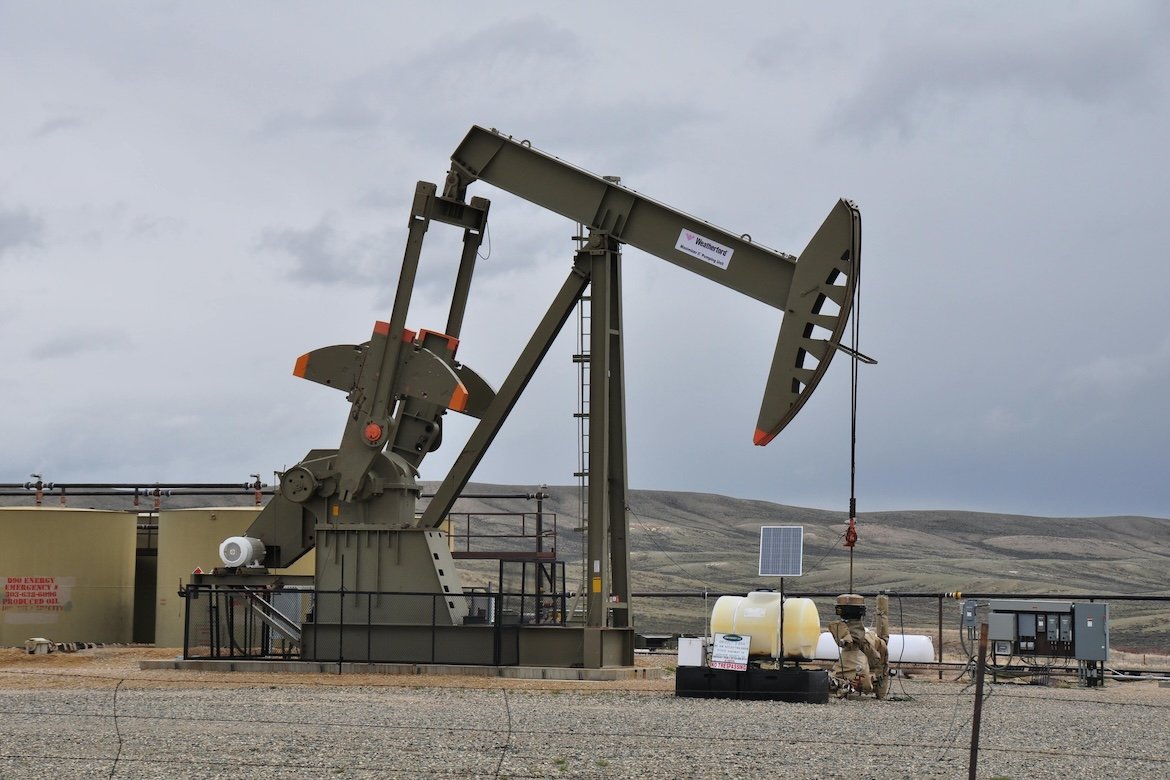
Oil prices in the United States fell to approximately $81 per barrel after Iran officially reopened the Strait of Hormuz for the remainder of a ceasefire period, easing fears of supply disruptions across global energy markets.
The Strait, a critical chokepoint for nearly 20% of global oil shipments, had been at the center of recent geopolitical tensions. Its reopening prompted traders to unwind risk premiums that had pushed crude prices higher in recent sessions.
At the same time, U.S. equity markets surged, with major indexes posting solid gains as investor sentiment improved on the back of reduced geopolitical risk.
The S&P 500 rose 0.73%, adding roughly $430 billion in market capitalization, while the Nasdaq gained 0.89%, increasing its value by approximately $180 billion. The Dow Jones Industrial Average climbed 1.2%, contributing an additional $120 billion in market value.
Easing Supply Risks Drive Oil Price Decline
The reopening of the Strait of Hormuz significantly reduces immediate concerns about disruptions to oil flows from the Middle East, a region central to global energy supply.
During the peak of tensions, markets had priced in the possibility of restricted shipping routes, pushing oil prices higher. The latest development has reversed part of that surge, bringing prices back toward more stable levels.
Lower oil prices could help ease inflationary pressures, particularly in sectors heavily dependent on fuel costs, such as transportation and manufacturing.
As previously covered, geopolitical developments in the Middle East remain one of the most important drivers of short-term oil price volatility.
Equity Rally Reflects Sharp Shift in Risk Sentiment
The rebound in U.S. equities highlights how quickly markets can react to changes in geopolitical risk.
Lower energy prices tend to support corporate margins and consumer spending, while also reducing pressure on central banks to maintain restrictive monetary policy.
Technology stocks led gains, benefiting from declining inflation expectations and improved risk appetite, while industrial and consumer sectors also advanced on the prospect of more stable global conditions.
The $430 billion increase in market capitalization underscores the scale of the market’s response, reflecting a broad-based rally across sectors.
However, analysts caution that the situation remains fluid. Any renewed escalation in the region could quickly reverse gains in both oil and equity markets.
For investors, the latest move reinforces a key theme: global markets remain highly sensitive to geopolitical developments, with energy prices and equity valuations closely tied to shifts in risk perception.