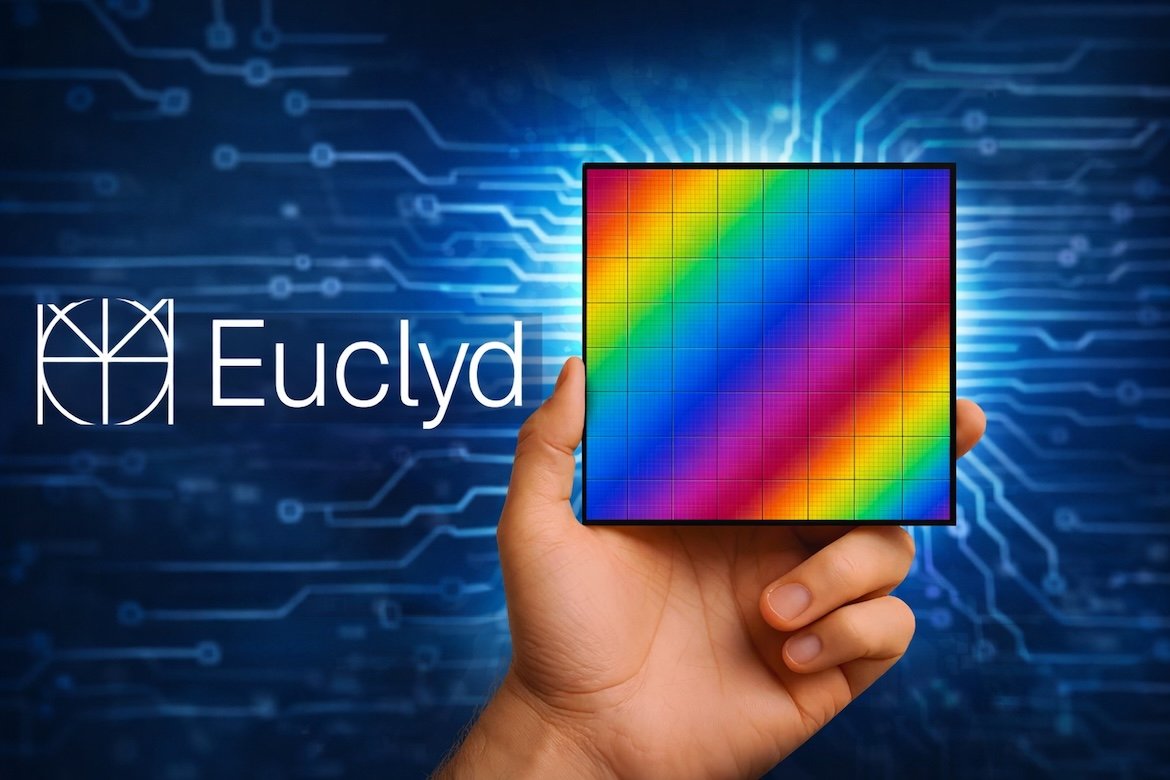
Dutch semiconductor startup Euclyd is seeking to raise at least €100 million (approximately $118 million) in new funding, positioning itself as a potential challenger to Nvidia amid surging demand for AI chips.
The company, backed by the former chief executive of ASML, is currently in discussions with investors as Europe intensifies efforts to build a competitive domestic semiconductor ecosystem.
The fundraising effort comes at a time when global demand for AI chips continues to accelerate, driven by the rapid adoption of artificial intelligence across industries.
European Push to Build AI Chip Independence
Euclyd’s ambitions reflect a broader strategic push across Europe to reduce reliance on U.S. and Asian semiconductor giants.
The region has increasingly prioritized chip sovereignty, investing heavily in domestic production capabilities and innovation as geopolitical tensions reshape global supply chains.
Euclyd aims to develop advanced processors tailored for AI workloads, focusing on efficiency and performance to compete in a market currently dominated by Nvidia.
The involvement of leadership with ties to ASML one of the world’s most critical suppliers of chipmaking equipment adds credibility to the startup’s technical and strategic positioning.
As previously covered, governments and private investors across Europe have ramped up funding for semiconductor initiatives, viewing the sector as essential to economic security and technological competitiveness.
Market Implications Highlight Intensifying AI Chip Competition
The push by emerging players like Euclyd underscores how competitive the AI chip market has become, with new entrants seeking to capitalize on soaring demand.
Nvidia remains the dominant force in AI hardware, but rising demand and supply constraints have created opportunities for alternative providers.
Investors are increasingly interested in backing companies that can offer differentiated solutions, particularly in areas such as energy efficiency and specialized AI processing.
However, the barriers to entry remain high, requiring significant capital investment, advanced engineering capabilities, and long development timelines.
For markets, Euclyd’s fundraising effort highlights a key trend: the AI chip race is expanding beyond traditional leaders, with regional players seeking to carve out a share of a rapidly growing market.
The outcome of this competition will play a crucial role in shaping the future of AI infrastructure and global technology leadership.