GameStop has made a $55 billion bid to acquire eBay at $125 per share, signaling an aggressive move to expand into e-commerce.
By Daniel Wright | Edited by Oleg Petrenko
Published:
Updated:
Logos of GameStop and eBay displayed on digital screens. GameStop’s takeover bid marks a bold attempt to expand beyond gaming retail into global e-commerce. Photo: RealGPTV01 / Wikimedia
GameStop has made a takeover offer to acquire eBay in a deal valued at roughly $55 billion, marking one of the most ambitious moves yet by the meme-stock retailer to transform its business model.
The proposal values eBay shares at $125 each, representing a premium of about 20% over recent trading levels. The scale of the bid is notable, as it is nearly five times larger than GameStop’s own market capitalization.
The offer includes a mix of cash and stock and is part of a broader strategy to reposition GameStop as a major player in e-commerce.
Strategic Shift Toward E-Commerce Expansion
The bid reflects GameStop’s ongoing effort to evolve beyond its legacy brick-and-mortar gaming business and compete in the broader digital commerce space.
Acquiring eBay would instantly provide access to a global marketplace platform, millions of users, and established logistics and payments infrastructure.
The move aligns with leadership’s vision of transforming the company into a technology-driven retail and platform business.
As previously covered, GameStop has been exploring new growth avenues following its meme-stock surge, including digital assets, e-commerce, and platform strategies.
However, the scale of the proposed deal raises questions about financing and execution, given the significant size mismatch between the two companies.
Market Reaction Highlights Execution and Financing Risks
The proposed acquisition is likely to face skepticism from investors due to its size, complexity, and potential dilution.
Financing a $55 billion deal would require substantial capital, raising questions about how GameStop intends to structure the transaction.
There may also be regulatory hurdles, as well as concerns about integration and strategic alignment between the two businesses.
At the same time, the bold nature of the bid could attract attention from investors seeking high-risk, high-reward opportunities tied to transformation stories.
For markets, the development underscores a key theme: companies are increasingly willing to pursue aggressive strategic moves to reposition themselves in fast-changing industries.
Whether the deal progresses or not, GameStop’s bid highlights the ongoing convergence between traditional retail, e-commerce platforms, and technology-driven business models.
Elon Musk could receive a Tesla compensation package worth up to $158 billion, significantly increasing his wealth and pushing him closer to trillionaire status.
By Daniel Wright | Edited by Oleg Petrenko
Published:
Updated:
Elon Musk could receive a Tesla compensation package worth up to $158 billion, significantly boosting his wealth and bringing him closer to trillionaire status. Photo: Gage Skidmore / Wikimedia
Elon Musk could receive a Tesla compensation package valued at up to $158 billion, according to company filings, marking one of the largest potential payouts in corporate history.
The package has already contributed to Musk’s estimated net worth of around $650 billion, positioning him closer to becoming the world’s first trillionaire.
However, the compensation is tied to performance targets and other conditions, meaning the full payout depends on Tesla achieving specific milestones.
Performance-Based Structure Ties Payout to Growth
The compensation plan is structured around ambitious operational and financial goals, aligning Musk’s incentives with Tesla’s long-term performance.
Such packages are designed to reward sustained growth in areas like revenue, market capitalization, and operational expansion.
While the headline figure is massive, analysts note that the actual payout will depend on Tesla meeting these predefined targets over time.
As previously covered, Musk’s compensation has historically been heavily performance-based, often linked to Tesla’s stock performance and strategic milestones.
The approach reflects a broader trend among technology companies to tie executive pay to long-term value creation.
Market Implications Highlight Wealth Concentration and Governance Debate
The scale of the potential payout has reignited debate over executive compensation, corporate governance, and wealth concentration.
Supporters argue that the package incentivizes innovation and aligns leadership with shareholder interests.
Critics, however, question whether such large payouts are justified, particularly given their potential impact on corporate governance and investor perception.
For markets, the development underscores the outsized role of founder-led companies in driving value creation—and the financial rewards that can follow.
Musk’s trajectory will continue to be closely watched as a benchmark for both corporate performance and the evolving limits of executive compensation.
The potential payout reinforces a broader theme: in the era of megacap technology companies, wealth creation at the top end is reaching unprecedented levels.
SanDisk shares reached a new record high, rising nearly 4,000% over the past year as demand for AI data center storage continues to outpace supply.
By Daniel Wright | Edited by Oleg Petrenko
Published:
Updated:
SanDisk shares hit a new record high, surging nearly 4,000% over the past year as demand for AI data center storage continues to outstrip supply. Photo: SanDisk / X
SanDisk shares have reached a new all-time high, climbing nearly 4,000% over the past year as demand for data center storage tied to artificial intelligence continues to surge.
The rally reflects a broader shift in the technology landscape, where companies supplying critical infrastructure for AI are seeing explosive growth. SanDisk, known for producing NAND flash memory and SSDs, has emerged as a key beneficiary of this trend.
The scale of the increase is striking: a $50,000 investment a year ago would now be worth approximately $2 million, highlighting the intensity of the market’s focus on AI-linked assets.
AI Data Center Boom Drives Storage Demand
The rapid expansion of AI data centers is fueling unprecedented demand for high-performance storage solutions.
NAND flash memory plays a critical role in handling the massive volumes of data required for training and running AI models, making it an essential component of modern computing infrastructure.
As companies race to build new data centers, demand for storage has surged, while supply remains constrained due to the complexity of manufacturing advanced memory chips.
As previously covered, the AI boom has extended beyond chipmakers like Nvidia to include a wider ecosystem of suppliers, including storage, networking, and power infrastructure providers.
SanDisk is among a limited number of companies capable of producing NAND chips at scale, positioning it as a key player in meeting global demand.
Market Implications Highlight Supply Constraints and Valuation Risks
The stock’s dramatic rise underscores strong investor appetite for companies tied to AI infrastructure, particularly those with limited competition and high barriers to entry.
However, analysts caution that such rapid gains may reflect elevated expectations, raising the risk of volatility if growth slows or supply conditions change.
At the same time, supply constraints could continue to support pricing power and margins in the near term, benefiting companies like SanDisk.
Investors are also closely monitoring capital expenditure trends, as sustained investment in data centers will be critical to maintaining demand.
For markets, the development reinforces a key theme: the AI boom is reshaping multiple segments of the technology sector, creating significant opportunities—but also increasing the potential for overvaluation.
SanDisk’s performance will remain a key indicator of how long the current demand-supply imbalance in AI infrastructure can persist.
PayPal announced a strategic reorganization into three business segments, aiming to streamline operations and support future growth.
By Emma Clarke | Edited by Oleg Petrenko
Published:
PayPal announced a strategic reorganization into three business segments to streamline operations and drive future growth. Photo: Oleg Petrenko / MarketSpeaker
PayPal has announced a strategic restructuring aimed at simplifying its operations and sharpening its focus on key growth areas, as competition intensifies across digital payments and financial technology.
The company will reorganize into three core business segments: Payments and Checkout with PayPal, Consumer Financial Services centered around Venmo, and a dedicated Cryptocurrency and Payment Services unit.
The move reflects a broader effort to streamline decision-making and align resources with areas of highest growth potential.
Restructuring Targets Focus and Operational Efficiency
The new structure is designed to clarify PayPal’s strategic priorities and improve execution across its core platforms.
The Payments and Checkout segment will focus on merchant services and transaction processing, while the Venmo-led Consumer Financial Services unit will target user engagement and financial products.
The addition of a dedicated crypto and payment services division highlights PayPal’s continued commitment to digital assets and blockchain-based solutions.
As previously covered, fintech companies have been restructuring operations to better compete in a rapidly evolving landscape shaped by AI, crypto, and changing consumer behavior.
The simplified structure is expected to enhance accountability and accelerate product development across the organization.
The restructuring underscores PayPal’s efforts to remain competitive as new entrants and established players expand their offerings in payments and financial services.
Investors are likely to focus on how effectively the company can execute under the new structure and drive growth in each segment.
The emphasis on crypto services also reflects ongoing demand for digital asset integration within mainstream financial platforms.
At the same time, the payments sector remains highly competitive, with pressure on margins and user growth.
For markets, the move reinforces a key theme: fintech companies are increasingly reorganizing to focus on core strengths while adapting to emerging technologies.
PayPal’s success will depend on its ability to balance innovation with operational efficiency in a crowded and rapidly changing market.
Anthropic is reportedly in talks to raise up to $50 billion at a valuation approaching $900 billion, reflecting surging demand for AI investments.
By Sophia Reynolds | Edited by Oleg Petrenko
Published:
Anthropic is reportedly in talks to raise up to $50 billion at a valuation nearing $900 billion, underscoring strong demand for AI investments. Photo: Oleg Petrenko / MarketSpeaker
Anthropic is reportedly exploring a new funding round of up to $50 billion at a valuation between $850 billion and $900 billion, underscoring the extraordinary pace of capital inflows into artificial intelligence companies.
The potential raise would rank among the largest private funding rounds ever, positioning Anthropic as one of the most valuable technology companies globally even before a public listing.
The discussions come amid strong investor demand, with multiple pre-emptive offers reportedly submitted at elevated valuations.
Investor Demand Drives Record-Scale Funding Talks
Anthropic’s rapid valuation growth reflects intense competition among investors seeking exposure to leading AI developers.
The company, known for its Claude AI models, has emerged as a major competitor in the generative AI space, attracting significant interest from both institutional and strategic investors.
Large funding rounds have become increasingly common in the sector, as companies require substantial capital to build infrastructure, train models, and scale operations.
As previously covered, venture capital and private equity firms have significantly increased allocations to AI, driving valuations higher across the industry.
The potential $50 billion raise would further solidify Anthropic’s position as a central player in the global AI race.
Market Implications Highlight AI Valuation Surge
The scale of the proposed funding round highlights both the opportunity and the risks associated with current AI valuations.
While strong demand supports higher pricing, analysts caution that expectations for growth and monetization are also rising.
Investors will be closely watching whether companies like Anthropic can translate technological leadership into sustainable revenue streams.
At the same time, large private valuations may influence public markets, particularly as companies prepare for potential IPOs.
For markets, the development reinforces a key theme: AI remains one of the most capital-intensive and competitive sectors, with funding levels continuing to reach unprecedented levels.
Anthropic’s next move could set a benchmark for future fundraising and shape investor sentiment heading into a potential wave of major technology listings.
Meta will begin paying creators in stablecoins through Stripe, starting in Colombia and the Philippines, as it expands digital payment options.
By David Sinclair | Edited by Oleg Petrenko
Published:
Meta will start paying creators in stablecoins via Stripe, initially in Colombia and the Philippines, as it expands its digital payment options. Photo: Oleg Petrenko / MarketSpeaker
Meta is set to begin paying creators in stablecoins through a partnership with Stripe, marking a renewed step into digital payments after its earlier cryptocurrency ambitions stalled.
The program will initially launch in Colombia and the Philippines, where creators will be able to receive payments in stablecoins and convert them into local currency.
The move highlights Meta’s effort to expand monetization tools for creators while leveraging blockchain-based payment infrastructure without issuing its own token.
Stablecoin Strategy Reflects Shift After Libra Setback
The initiative comes after Meta’s high-profile Libra (later Diem) project was discontinued in 2022 following regulatory pushback.
Instead of launching its own cryptocurrency, Meta is now opting to integrate existing stablecoin solutions, reducing regulatory risk while still benefiting from faster and cheaper cross-border payments.
Stripe’s infrastructure will facilitate the transactions, providing a compliant and scalable framework for handling crypto-based payouts.
As previously covered, stablecoins have gained traction as a practical use case for blockchain technology, particularly in international payments and remittances.
The focus on emerging markets reflects demand for more efficient payment systems in regions where traditional banking infrastructure can be limited or costly.
Market Implications Highlight Growing Role of Crypto Payments
The rollout underscores a broader trend of major technology companies exploring crypto-based payment solutions without directly issuing digital assets.
For creators, stablecoin payouts could offer faster settlement times and reduced fees compared to traditional payment methods.
For Meta, the move represents a cautious re-entry into the digital finance space, balancing innovation with regulatory considerations.
At the same time, adoption will depend on user trust, ease of conversion to local currencies, and regulatory clarity in different jurisdictions.
For markets, the development reinforces a key theme: stablecoins are emerging as one of the most viable applications of crypto technology, particularly for payments and financial inclusion.
Meta’s approach may serve as a model for other platforms seeking to integrate blockchain-based solutions without taking on the risks associated with launching proprietary tokens.
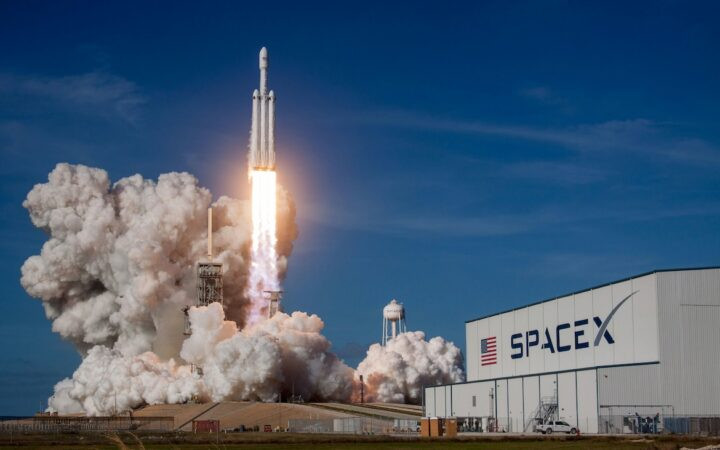
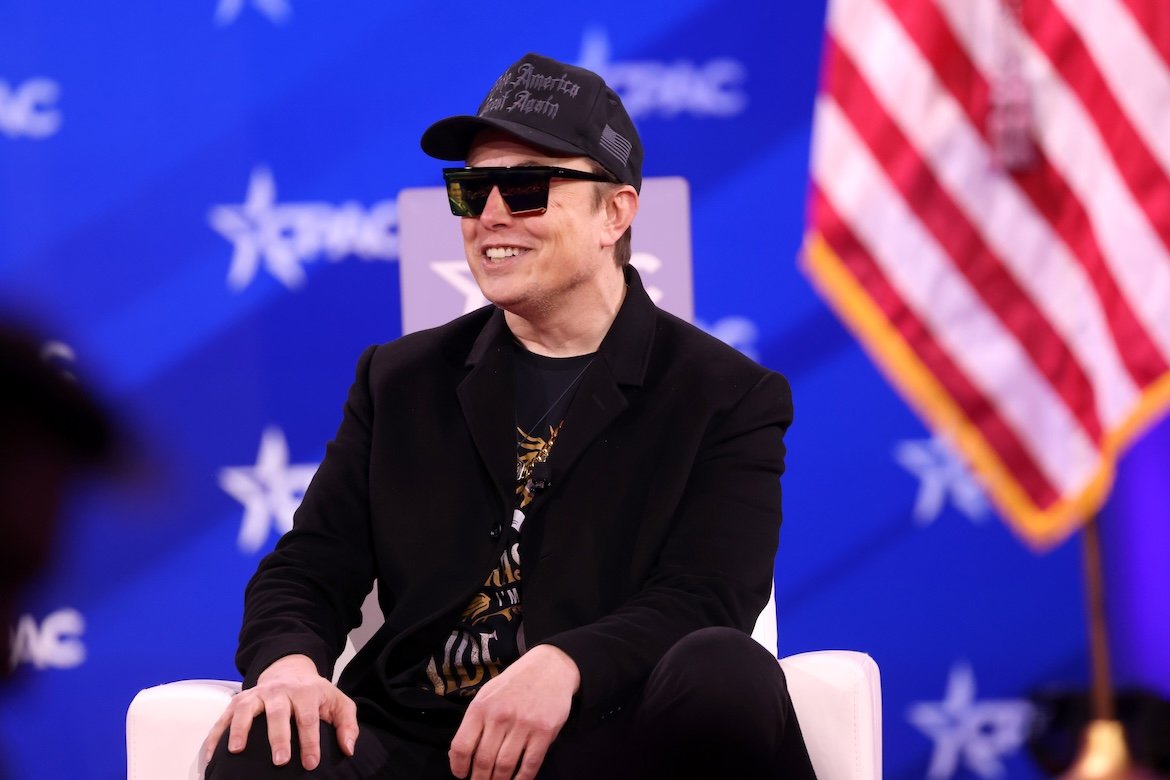
SpaceX’s planned dual-class share structure will give Elon Musk dominant voting power, allowing him to retain control over key decisions, including leadership changes.
By Daniel Wright | Edited by Oleg Petrenko
Published:
SpaceX’s planned dual-class share structure will grant Elon Musk dominant voting power, enabling him to retain control over key decisions, including leadership changes. Photo: Gage Skidmore / X
SpaceX is preparing to go public with a dual-class share structure that will grant Elon Musk near-total control over the company, even after listing shares on public markets.
Under the proposed structure, the company will issue two classes of shares: standard shares for public investors and high-voting shares primarily held by founders and early investors.
Musk is expected to hold the majority of the high-voting stock, effectively giving him the ability to control major corporate decisions unilaterally.
Dual-Class Structure Ensures Founder Control
The dual-class system allows Musk to retain decision-making authority over key aspects of the company, including executive leadership and board composition.
This means that even as public investors buy into SpaceX, their voting power will remain limited compared to Musk’s concentrated control.
Such structures are increasingly common among major technology companies, enabling founders to pursue long-term strategies without being constrained by short-term market pressures.
As previously covered, similar governance models have been used by companies like Meta and Alphabet, where founders maintain outsized voting rights.
For SpaceX, the approach is designed to preserve strategic continuity as the company scales operations and enters public markets.
While the structure may appeal to investors seeking exposure to SpaceX’s growth, it also raises governance concerns.
Limited shareholder influence can reduce accountability and increase the risk of decisions being concentrated in the hands of a single individual.
At the same time, supporters argue that founder-led control can support long-term innovation, particularly in capital-intensive and high-risk industries like aerospace.
For investors, the key consideration will be whether Musk’s leadership continues to deliver strong performance and strategic execution.
The structure also reinforces a broader trend in tech IPOs, where companies prioritize control over traditional shareholder rights.
SpaceX’s governance model will likely become a focal point for market debate as the company moves closer to its anticipated public listing.
SoftBank is preparing to spin off and list Roze, a new AI and robotics infrastructure company, in a potential $100 billion IPO in the U.S.
By Daniel Wright | Edited by Oleg Petrenko
Published:
SoftBank is planning to spin off and list Roze, a new AI and robotics infrastructure company, in a potential $100 billion U.S. IPO. Photo: SoftBank / X
SoftBank is planning to create and publicly list a new company called Roze, focused on robotics and AI data center infrastructure, in what could become one of the largest IPOs in the sector.
The proposed listing, expected in the United States, could value the company at up to $100 billion, reflecting strong investor appetite for businesses positioned at the intersection of artificial intelligence and physical infrastructure.
The move underscores SoftBank’s continued strategy of building and monetizing large-scale technology ventures tied to emerging industry trends.
New Venture Targets AI Infrastructure and Automation
Roze is expected to focus on building and operating data centers while integrating robotics to improve construction efficiency and operational performance.
The concept reflects a growing industry shift toward combining automation with infrastructure development, as demand for AI computing capacity accelerates.
By leveraging robotics, the company aims to streamline the deployment of data centers, reducing costs and timelines in a sector facing rapid expansion.
As previously covered, AI infrastructure has become a critical investment theme, with companies racing to build capacity to support large-scale computing needs.
SoftBank’s involvement highlights its continued commitment to high-growth technology sectors, following previous investments in AI, telecommunications, and advanced computing.
Market Implications Highlight Growing AI Infrastructure Race
The planned IPO adds to a broader wave of large-scale listings tied to AI and next-generation technologies, signaling strong momentum in capital markets.
Investors are increasingly targeting companies that provide the underlying infrastructure for AI, viewing them as long-term beneficiaries of the sector’s growth.
At the same time, the scale of the proposed valuation raises questions about sustainability and execution risk, particularly in capital-intensive industries like data centers.
Competition is also intensifying, with major technology firms and private investors deploying significant resources into similar projects.
For markets, the development reinforces a key theme: the AI boom is expanding beyond software into physical infrastructure, creating new opportunities and risks for investors.
Roze’s eventual IPO will be closely watched as a test of market appetite for large-scale, infrastructure-driven AI companies.
The UAE will exit OPEC and OPEC+ from May 1, aiming to increase oil production and better align with shifting global energy demand.
By Nathan Cole | Edited by Oleg Petrenko
Published:
The UAE will leave OPEC and OPEC+ starting May 1, seeking to boost oil output and better align with shifting global energy demand. Photo: Milan Kiro / Pexels
The United Arab Emirates has announced it will exit OPEC and OPEC+ effective May 1, marking a significant shift in global energy dynamics as the country moves to take greater control over its oil production strategy.
Officials said the decision follows a comprehensive review of the country’s long-term energy policies, including oil, gas, and broader industrial priorities. The UAE also plans to gradually increase oil output as part of its new approach.
The move comes at a time of evolving global demand and geopolitical uncertainty, positioning the UAE to respond more flexibly to market conditions.
Strategic Shift Aims to Increase Production Flexibility
The UAE’s decision reflects a desire to align production policies with changing global energy demand and its own long-term economic strategy.
By leaving OPEC and OPEC+, the country will no longer be bound by group production quotas, allowing it to scale output based on market opportunities and domestic priorities.
Energy officials indicated that the timing of the move was carefully considered, with limited immediate market disruption expected due to existing constraints in key shipping routes such as the Strait of Hormuz.
As previously covered, OPEC and its allies have played a central role in managing global oil supply, often adjusting output to stabilize prices.
The UAE’s exit highlights growing divergence among producers over how best to navigate the energy transition and shifting demand patterns.
The decision could have significant implications for global oil markets, particularly if increased UAE production adds to supply in an already volatile environment.
While officials downplayed immediate market impact, analysts note that the longer-term effect could be downward pressure on prices if additional barrels reach the market.
At the same time, the move may encourage other producers to reassess their positions within OPEC+, potentially reshaping the group’s influence.
For investors, the development underscores ongoing uncertainty in energy markets, where geopolitical decisions continue to play a key role in price dynamics.
The UAE also emphasized that it intends to continue working with international partners and investors to meet future demand for oil, petrochemicals, and gas.
The exit reinforces a broader theme: energy producers are increasingly prioritizing flexibility and national strategy over coordinated output policies, with implications for global supply and pricing.
Finland’s Kone will acquire Germany’s TK Elevator in a $34.4 billion deal, forming the world’s largest elevator manufacturer.
By Emma Clarke | Edited by Oleg Petrenko
Published:
Finland’s Kone is set to acquire Germany’s TK Elevator in a $34.4 billion deal, creating the world’s largest elevator manufacturer. Photo: TK Elevator / Facebook
Finland-based Kone has agreed to acquire German rival TK Elevator in a $34.4 billion transaction, marking one of the largest European industrial deals in recent years and creating the world’s biggest elevator manufacturer.
The merger combines two major players in the vertical transportation industry, significantly expanding Kone’s global footprint and strengthening its position in both developed and emerging markets.
The deal reflects a broader trend of consolidation in industrial sectors, as companies seek scale and efficiency to compete globally.
Strategic Combination Aims to Drive Scale and Efficiency
The acquisition is expected to deliver significant synergies, including cost savings, operational efficiencies, and expanded service capabilities.
By combining their operations, Kone and TK Elevator aim to enhance their ability to serve large infrastructure projects and growing urban markets worldwide.
The deal also strengthens Kone’s presence in key regions, particularly Europe and North America, where demand for modernization and maintenance services remains strong.
As previously covered, industrial companies have increasingly pursued large-scale mergers to improve competitiveness and manage rising costs.
The combined entity will benefit from a broader product portfolio, increased research and development capacity, and a stronger service network.
Market Implications Highlight Ongoing European Consolidation
The transaction underscores continued consolidation across European industries, as companies respond to competitive pressures and evolving market dynamics.
Investors are likely to focus on execution risks, particularly integration challenges and regulatory approvals across multiple jurisdictions.
At the same time, the scale of the deal signals confidence in long-term demand for infrastructure and urban development.
Analysts note that the elevator and escalator market remains resilient, supported by urbanization trends and ongoing maintenance needs.
For markets, the acquisition highlights a key theme: scale and efficiency are becoming increasingly critical for industrial companies navigating global competition.
The success of the Kone – TK Elevator combination will be closely watched as a benchmark for future large-scale industrial mergers in Europe.
UBS reported an 80% surge in first-quarter profit to $3 billion, beating expectations as trading revenue strengthened performance.
By Michael Foster | Edited by Oleg Petrenko
Published:
UBS reported an 80% jump in first-quarter profit to $3 billion, surpassing expectations as strong trading revenue boosted results. Photo: Louis / Pexels
UBS reported a sharp increase in first-quarter earnings, with net profit rising 80% year over year to approximately $3 billion, exceeding analyst expectations and driving shares about 5% higher.
The strong performance was largely supported by robust trading activity, as market volatility and client demand boosted revenue across key divisions.
The results highlight the bank’s ability to capitalize on shifting market conditions, particularly in areas tied to trading and wealth management.
Trading Strength Drives Earnings Beat
UBS benefited from increased client activity across its trading desks, with higher volumes contributing to stronger revenue generation during the quarter.
Market volatility, often a headwind for some sectors, tends to support trading income for large banks by creating more opportunities for clients to reposition portfolios.
The earnings beat reflects UBS’s positioning as a major global player in wealth management and investment banking, allowing it to capture flows across multiple segments.
As previously covered, banks with strong trading operations have outperformed peers in recent quarters amid fluctuating market conditions.
The results also suggest that client engagement remains high, even as broader economic uncertainty persists.
Market Reaction Signals Confidence in Banking Sector Resilience
Shares of UBS rose around 5% following the earnings release, indicating investor confidence in the bank’s performance and outlook.
The results may also support broader sentiment toward the banking sector, particularly institutions with diversified revenue streams.
Analysts note that sustained trading strength could help offset potential headwinds in other areas, such as lending or advisory services.
At the same time, the outlook remains tied to market conditions, with future performance likely dependent on volatility levels and client activity.
For investors, the key question is whether UBS can maintain momentum as macroeconomic conditions evolve and central bank policies shift.
The earnings report reinforces a broader theme: banks with strong trading and wealth management franchises are well positioned to navigate uncertain markets.
Elon Musk has begun testifying in his case against OpenAI, seeking to remove leadership and claim $134 billion in damages over alleged contract violations.
By Michael Foster | Edited by Oleg Petrenko
Published:
Elon Musk has begun testifying in his lawsuit against OpenAI, seeking leadership changes and $134 billion in damages over alleged contract breaches. Photo: Oleg Petrenko / MarketSpeaker
Elon Musk has begun testifying in his lawsuit against OpenAI, escalating a high-stakes legal battle that could reshape leadership and governance at one of the world’s most influential artificial intelligence companies.
Musk is seeking to remove OpenAI’s current leadership and is pursuing damages of up to $134 billion, alleging breaches of earlier agreements tied to the organization’s founding principles.
The case marks the latest chapter in a long-running dispute between Musk and OpenAI, with multiple lawsuits filed in recent years many of which were later withdrawn or dismissed.
Legal Dispute Centers on Governance and Original Mission
At the core of the case is Musk’s claim that OpenAI deviated from its original mission and contractual commitments, particularly around its structure and commercialization strategy.
Musk has argued that the company’s evolution into a profit-driven entity conflicts with its initial positioning as a nonprofit focused on safe and open AI development.
During testimony, Musk emphasized concerns about AI risks and governance, positioning himself as an early advocate for stricter oversight in the field.
As previously covered, tensions between founding members and current leadership have intensified as OpenAI has grown into a central player in the global AI race.
The lawsuit also highlights broader debates within the tech industry about how advanced AI systems should be developed, controlled, and monetized.
Market Implications Highlight Legal and Strategic Risks
The outcome of the case could have significant implications not only for OpenAI but also for the broader AI ecosystem.
A ruling in Musk’s favor could lead to leadership changes, financial penalties, or structural adjustments that may affect partnerships and competitive positioning.
Investors are closely watching the case as it introduces legal uncertainty into one of the most critical companies in the AI sector.
At the same time, the scale of the damages sought – $134 billion – underscores the high financial stakes involved.
Analysts note that ongoing legal disputes could impact OpenAI’s ability to secure partnerships and capital, particularly as competition intensifies across the industry.
For markets, the case reinforces a key theme: governance, legal frameworks, and strategic control are becoming as important as technological capability in shaping the future of AI.
A wave of potential trillion-dollar IPOs from SpaceX, OpenAI, and Anthropic is fueling market excitement and raising concerns over investor positioning.
By Sophia Reynolds | Edited by Oleg Petrenko
Published:
A wave of potential trillion-dollar IPOs from SpaceX, OpenAI, and Anthropic is boosting market enthusiasm while raising concerns about investor positioning. Photo: Chenyu Guan / Unsplash
Wall Street is preparing for a potential wave of trillion-dollar initial public offerings, with companies like SpaceX, OpenAI, and Anthropic expected to headline one of the most anticipated listing cycles in recent history.
The scale of these potential IPOs reflects the explosive growth in artificial intelligence and advanced technology sectors, where valuations have surged amid strong investor demand and capital inflows.
At the same time, the looming listings are raising questions about whether new entrants will deliver outsized returns or serve as liquidity events for early investors.
AI Boom Drives Unprecedented IPO Expectations
The surge in valuations across AI companies has set the stage for what could become a record-breaking IPO cycle.
Anthropic and OpenAI have already seen dramatic increases in secondary market valuations, while SpaceX continues to command premium pricing driven by its dominance in aerospace and satellite infrastructure.
Wall Street firms are reportedly adjusting frameworks and expectations to accommodate these mega-listings, reflecting the strategic importance of AI and next-generation technology companies.
As previously covered, capital inflows into AI ventures have accelerated sharply, with investors seeking exposure to high-growth segments tied to automation, computing power, and data infrastructure.
The anticipated IPOs are expected to attract both institutional and retail interest, potentially driving significant trading volumes and market volatility.
Investor Risks Highlight Exit Liquidity Debate
Despite the enthusiasm, analysts caution that such large-scale IPOs often come with elevated risks, particularly when valuations are driven by future expectations rather than current earnings.
Early investors and venture capital firms may use the listings as an opportunity to realize gains, raising concerns about whether public market participants are entering at peak valuations.
The concept of “exit liquidity” has become a central topic in market discussions, as retail and institutional investors evaluate the timing and pricing of new offerings.
At the same time, strong demand for AI exposure could support high valuations in the near term, particularly if growth expectations continue to be met.
For markets, the upcoming IPO wave underscores a key theme: the AI boom is reshaping capital markets, creating both opportunities and risks for investors.
The success or failure of these listings could set the tone for the next phase of technology investment and influence broader market sentiment in 2026.
Microsoft will lose exclusive rights to OpenAI models, allowing broader distribution as the partnership evolves and revenue-sharing terms change.
By Daniel Wright | Edited by Oleg Petrenko
Published:
Updated:
Microsoft will give up exclusive rights to OpenAI models, enabling broader distribution as the partnership evolves and revenue-sharing terms shift. Photo: Matthew Manuel / Unsplash
Microsoft is set to lose its exclusive rights to distribute OpenAI’s models, marking a significant shift in one of the most closely watched partnerships in the artificial intelligence industry.
Under the updated agreement, Microsoft will retain access to OpenAI technology through 2032, but the exclusivity clause has been removed, allowing OpenAI to offer its models through other cloud providers.
The change signals a new phase in the relationship, reflecting evolving priorities for both companies as competition intensifies across the AI landscape.
OpenAI Gains Flexibility as Deal Terms Evolve
The removal of exclusivity allows OpenAI to expand its distribution strategy and pursue partnerships with other major cloud providers, including rivals to Microsoft.
Previously, reliance on a single partner limited OpenAI’s ability to negotiate broader commercial agreements and scale its offerings across different platforms.
The revised terms also reshape the financial structure of the partnership. Microsoft will no longer receive a share of OpenAI’s revenue, while OpenAI will continue to pay Microsoft 20% of its revenue until 2030, subject to a capped amount.
As previously covered, the AI sector has seen rapid shifts in partnership dynamics as companies seek greater flexibility and control over their technologies.
The new arrangement positions OpenAI to diversify its revenue streams and reduce dependency on a single distribution channel.
Market Implications Highlight Intensifying Cloud AI Competition
The move is expected to intensify competition among cloud providers, as companies like Amazon and Google gain potential access to OpenAI’s models.
For Microsoft, the loss of exclusivity may weaken a key competitive advantage in its Azure cloud business, which has benefited from tight integration with OpenAI technologies.
At the same time, Microsoft retains long-term access to the models, ensuring continuity for its enterprise customers and AI-driven products.
Investors are likely to view the development as a rebalancing of power within the partnership, with OpenAI gaining greater independence while Microsoft shifts toward a more traditional vendor relationship.
For markets, the change underscores a broader trend: AI partnerships are becoming more fluid, with companies prioritizing flexibility and ecosystem expansion over exclusive arrangements.
The evolution of the Microsoft–OpenAI relationship will be closely watched as a key indicator of how competition in the AI and cloud sectors continues to develop.
A U.S. government investment in Intel has generated $25.7 billion in unrealized gains in just eight months after shares surged following earnings.
By Benjamin Harper | Edited by Oleg Petrenko
Published:
A U.S. government investment in Intel has produced $25.7 billion in unrealized gains in just eight months as the stock surged following earnings. Photo: Louis Velazquez / Unsplash
A U.S. government investment in Intel has generated approximately $25.7 billion in unrealized gains in just eight months, following a sharp rally in the chipmaker’s stock after its latest earnings report.
The position stems from an $8.9 billion investment made in August 2025 at a price of $20.47 per share, giving the government a roughly 10% passive stake in the company.
Since then, Intel shares have surged, briefly reaching around $80 in after-hours trading following strong results, significantly boosting the value of the stake to approximately $34.6 billion.
The investment represents a notable shift in how the U.S. government deploys industrial policy, converting traditional grant funding into an equity stake.
Instead of issuing direct subsidies, the administration structured the funding as a capital investment, combining $5.7 billion in CHIPS Act grants with an additional $3.2 billion from the Secure Enclave defense program.
The result was the purchase of approximately 433.3 million shares, without board representation or management control, effectively making the government a passive investor.
At the time of the deal, Intel shares were trading near $24 and had fallen roughly 60% from their 2024 highs, with analysts viewing the move as a potential stabilization effort.
As previously covered, governments globally have been increasing support for semiconductor manufacturing as part of broader efforts to secure supply chains and strengthen domestic production.
Market Implications Highlight New Model for Industrial Policy
The scale of the gains has sparked debate over whether equity-based interventions could become a more common tool in economic policy.
From a financial perspective, the returns – equivalent to more than $25 billion on paper – outpace the performance of many hedge funds over comparable periods.
However, analysts caution that the gains remain unrealized and are subject to market volatility, particularly in the cyclical semiconductor sector.
For investors, the development underscores the growing intersection between government policy and capital markets, especially in strategic industries like semiconductors.
The approach may influence future policy decisions, particularly as governments seek to balance economic support with potential financial returns.
The Intel case highlights a broader trend: industrial policy is evolving beyond subsidies toward more market-oriented mechanisms, with implications for both public finances and private sector dynamics.