Key Notes
- Tesla’s Roadster reservation terms do not guarantee delivery, while qualifying customers can cancel for a full refund.
- TSLA investors still need final pricing, manufacturing plans and volume targets to assess the sports car’s potential earnings contribution.
- Tesla’s October 21 earnings release provides the next scheduled test of current profitability and cash generation.
Tesla Inc. (NASDAQ: TSLA) is accepting reservations for its new Roadster without guaranteeing that customers will receive a car, putting the project’s execution risk back in focus for Tesla stock investors after its high-profile unveiling.
The company’s current US reservation agreement, dated October 15, says delivery timing and delivery itself remain uncertain. A deposit establishes an approximate place in line rather than a completed vehicle order.
For TSLA shareholders, the distinction matters because customer enthusiasm does not establish when a product will generate sales or what it will cost to manufacture. The Roadster remains a development project, even after a public demonstration of its technology.
A Reservation Is Not a Production Commitment
The contract allows either party to cancel before the customer completes vehicle configuration, with a full reservation-payment refund. Final pricing and specifications remain unsettled, and Tesla says it does not hold the money in escrow or pay interest on it.
Those conditions leave prospective owners with two separate uncertainties: whether they ultimately purchase a Roadster and what the finished product will look like. The warning is not an announcement that Tesla has cancelled the program.
The immediate shareholder question is therefore how much confidence to attach to the proposed launch. Refundable interest in a future vehicle can demonstrate appeal, but it provides less visibility than completed purchases, a manufacturing schedule and evidence that customer deliveries have begun.
The Reveal Leaves Commercial Questions Open
As we previously reported, Tesla unveiled the redesigned Roadster on October 15 with SpaceX technology and a production target of 2028. That target remains a company ambition rather than a contractual delivery deadline.
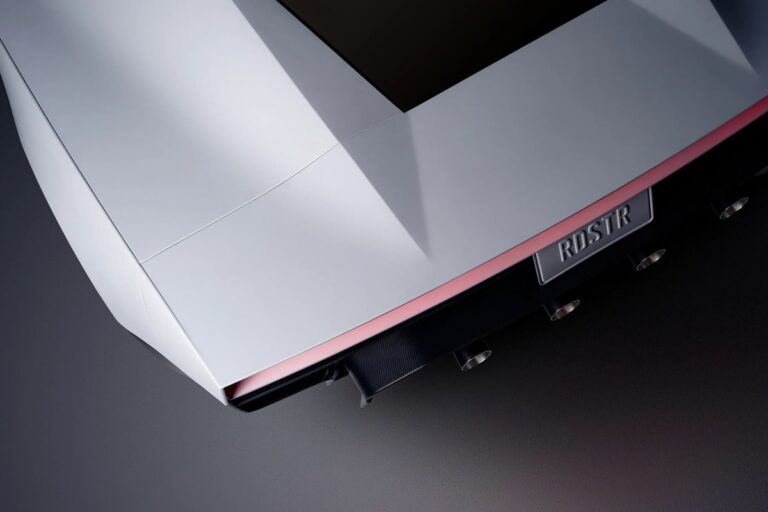
Tesla’s product page distinguishes the two-seat Performance model from the limited-release Thrust upgrade and invitation-only Rocket configuration. It describes active aerodynamics, a suction system and optional cold-gas thrusters.
The company says Rocket is not approved for public-road use and is unavailable in some regions. Its website also qualifies the illustrated features and specifications as reflecting the optional Thrust upgrade. The most dramatic capabilities therefore should not be treated as standard equipment across the lineup.
For the investment case, the unresolved commercial details are more useful than extrapolating from the demonstration: the final selling price, expected production volume, manufacturing investment and eventual vehicle margin. None can be reliably calculated from a reservation count alone.
What the Warning Means for Tesla Stock
The Roadster can support Tesla’s image as an engineering-led brand, but its contribution to shareholder returns will depend on execution. Development spending occurs before a vehicle earns sales, while specialized components and low production volumes can complicate the economics of a new model.
That does not establish that the Roadster will be unprofitable. It means that a credible earnings contribution requires more information about cost, price and output than the reveal or reservation paperwork provides. Assigning a specific valuation benefit to the car would be premature.
Our earlier report also discussed cooperation between Tesla and SpaceX. Shared engineering can support a product without establishing a corporate transaction. The reservation warning neither confirms a merger nor changes the distinction between the companies’ separate shareholders.
For TSLA, the useful milestones are a finalized production plan, a clearer path to approvals for the relevant configurations and actual customer handovers. Those would provide stronger evidence of commercial progress than another performance claim.
Core Deliveries and Earnings Remain the Near-Term Test
Tesla’s latest operating update provides a more immediate financial reference point. The company reported 486,532 vehicle deliveries and production of 464,391 vehicles in the third quarter, alongside 13.7 gigawatt-hours of energy-storage deployments.
Model 3 and Model Y accounted for 478,237 of those deliveries. That concentration illustrates why the established vehicle business remains central to near-term results, regardless of the attention surrounding a future sports car.
Tesla is scheduled to release third-quarter financial results after the market closes on October 21. The company cautions that delivery and deployment totals alone do not determine financial performance, which also depends on selling prices, costs and other factors.
That earnings release will offer investors a firmer basis for assessing current profitability and cash generation. The Roadster adds a longer-term question: whether Tesla can turn its technology showcase into a deliverable product with a commercially workable production plan.