Key Notes
- Tesla unveiled its SpaceX-powered Roadster with a 2028 production target, and Musk said it would become the brand’s only manually driven car in the long term.
- The invitation-only Rocket configuration can perform aerial maneuvers, but Tesla says it is not approved for public-road use.
- TSLA and SPCX investors are weighing closer collaboration and Barclays’ merger scenarios, while no definitive combination was announced at the event.
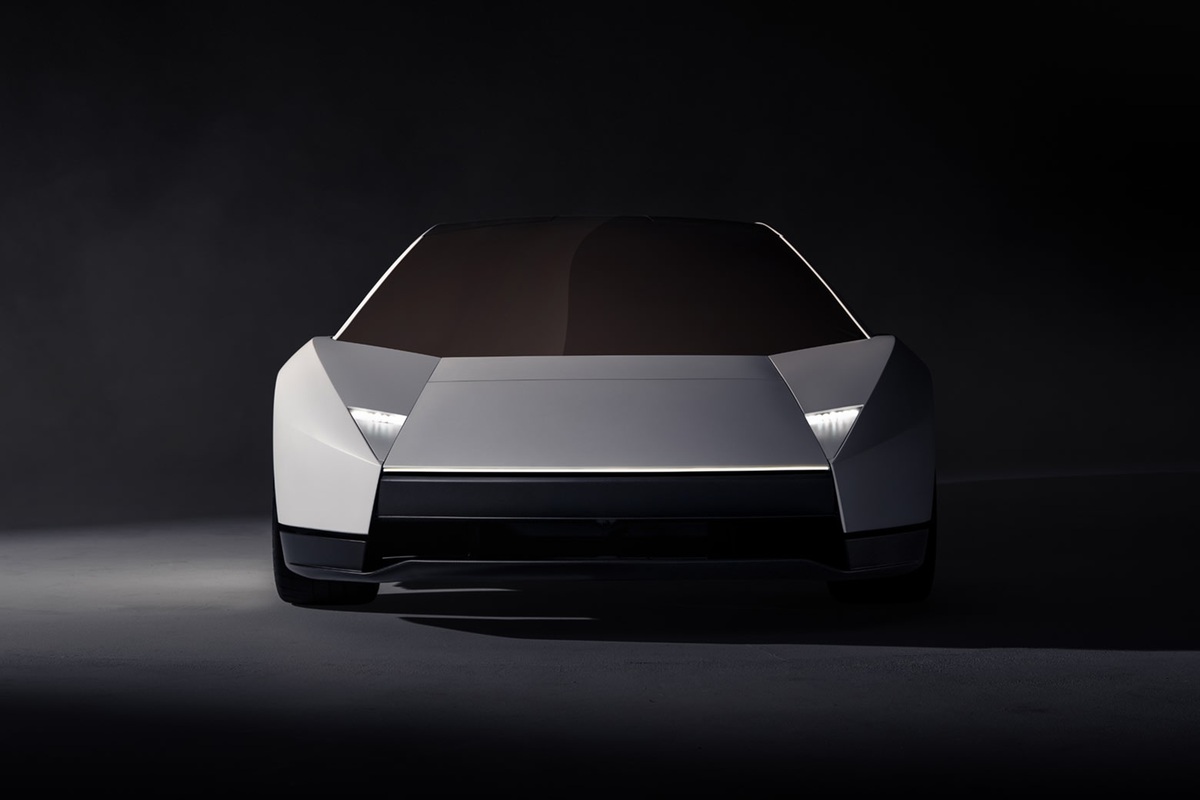
Tesla Inc. (NASDAQ: TSLA) unveiled a redesigned Roadster with SpaceX technology at a Texas demonstration, bringing the two Elon Musk businesses visibly closer as investors debate a possible corporate merger. Musk said production is targeted for 2028.
The October 15 event at SpaceX’s McGregor rocket test facility featured a car driving onto an inverted ramp, rotating through the air and landing, followed by a jump over Tesla vehicles. It showcased engineering cooperation with Space Exploration Technologies Corp. (NASDAQ: SPCX), but did not announce a merger or its terms.
For TSLA shareholders, the Roadster offers a high-profile test of Tesla’s ability to turn an ambitious demonstration into a saleable product. For SPCX investors, the broader question is whether technical collaboration eventually develops into a combination of the companies’ automotive, aerospace and artificial-intelligence businesses.
Musk also said the Roadster would become Tesla’s only manually driven car in the long term. He presented it as the driver-focused exception to an autonomous future, explaining why the team wanted to push its performance so far. That describes his intended direction for the lineup; it does not mean Tesla is immediately ending sales of its other human-driven vehicles.
A Roadster Built With SpaceX Technology
In Tesla’s official launch video, Musk described the car as the result of Tesla and SpaceX engineers working together. Executives explained how a fan-driven suction system generates downforce beneath the vehicle, while compressed-air thrusters provide additional acceleration and control.
The presentation included an announced 0–60 mph result of 0.81 seconds, after an initial timing-system reading was rejected on stage. That is Tesla’s demonstration claim, not an independently verified production-car test. Musk said the eventual production vehicle should perform better.
The company described high-pressure air tanks that can recharge without specialized rocket propellant. Its engineering presentation also emphasized a lightweight structure, steer-by-wire controls and active aerodynamics, linking the car’s performance ambitions to systems beyond a conventional electric drivetrain.
The footage is striking, but a controlled demonstration does not settle questions about customer operation, repeatability or legal use. Tesla’s current product page makes an important distinction between the road-oriented car and its flying configuration.
Three Configurations With Different Limits
Tesla’s Roadster page lists Performance, Thrust and Rocket configurations. Performance is described as a two-seat, road-ready car with active aerodynamics and the suction system.
Thrust is a limited-release, two-seat upgrade that adds rear cold-gas thrusters, with a claimed 0–60 mph time below one second. Rocket is an invitation-only, single-seat configuration with thrusters positioned around the vehicle to support upward, forward and rotational movement.
Tesla explicitly says Rocket is not approved for public-road use and is unavailable in some regions. A flying demonstration therefore should not be read as confirmation that buyers will be permitted to use those capabilities on ordinary roads.
The website also qualifies its illustrated features and specifications as reflecting the optional Thrust upgrade. Investors and prospective buyers should distinguish the configurations rather than apply the most dramatic capabilities to every Roadster.
What the Reveal Means for Tesla Stock
The near-term investment relevance is primarily product credibility and brand attention. The presentation gives Tesla a sports car around which to demonstrate engineering ideas, but a 2028 production target leaves a substantial period before planned manufacturing begins.
Tesla did not provide a detailed Roadster sales-volume forecast, manufacturing ramp or margin outlook during the presentation. Without those figures, the unveiling cannot be translated into a reliable estimate of incremental earnings for TSLA.
The distinction between showing a vehicle and scaling it is already familiar to shareholders. As we previously reported, Tesla opened its dedicated Nevada Semi factory in September with an eventual capacity target of 50,000 trucks a year, while leaving the timetable for reaching that rate undisclosed.
The Roadster presents a different commercial challenge: producing a highly specialized performance vehicle with unusual hardware. The next meaningful disclosures will concern final customer specifications, pricing, approvals and the production plan, rather than the spectacle alone.
Barclays Outlines a Possible Tesla–SpaceX Merger
The reveal coincides with renewed analyst discussion of a tie-up. Investing.com reported that Barclays analyst Dan Levy sees a possible announcement before Tesla’s annual shareholder meeting, while a separate announcement could come within six to 12 months.
Barclays considers SpaceX the likely buyer in a stock-for-stock transaction. Its proposed rationale centers on integrating AI, robotics and computing infrastructure, while consolidating Musk’s voting control. These are the bank’s scenarios, not agreed terms or a confirmed timetable.
For TSLA holders, any actual proposal would turn attention to the exchange ratio, premium and voting rights. For SPCX holders, the price paid and the combined investment burden would matter. Barclays also identified board and shareholder approvals, regulatory review and national-security considerations as potential hurdles.
The merger discussion predates this car. We reported in May that Musk had discussed a possible combination ahead of SpaceX’s IPO. The latest Roadster demonstrates cooperation; it does not establish that those discussions have become a definitive agreement.
Existing Financial Ties Put SPCX in Focus
The relationship already extends beyond engineering. Tesla’s amended annual filing says it completed an approximately $2 billion investment in SpaceX Class A shares on March 12. Its earlier agreement to invest in xAI was converted into a right to SpaceX shares after SpaceX acquired xAI Holdings in February.
That gives Tesla an existing financial link to SpaceX, while the companies remain separately traded businesses. A shared product does not itself combine their shareholders’ claims on earnings, assets or voting rights.
SpaceX’s own funding needs also remain relevant to any potential deal. As we previously reported, the company has discussed a $40 billion financing package for Nvidia chips. Those talks were preliminary, illustrating why shareholders would need to assess financing commitments alongside any proposed merger benefits.
The Roadster now supplies a concrete example of what the two engineering teams can build together. The investment test is whether that cooperation produces commercially useful products and returns, and whether any corporate proposal offers acceptable terms to both TSLA and SPCX shareholders.