Key Notes
- CrowdStrike is integrating Falcon Guardian with NVIDIA OpenShell and plans a Sentry connection that would extend AI-agent protection to hardware-based enforcement.
- CRWD rose 1.41% to $230.57 in a timestamped premarket quote, while the partnership announcement disclosed no contract values or incremental revenue forecast.
- The collaboration builds on earlier runtime and infrastructure work, with NVIDIA Sentry planned for early 2027 rather than already generally available.
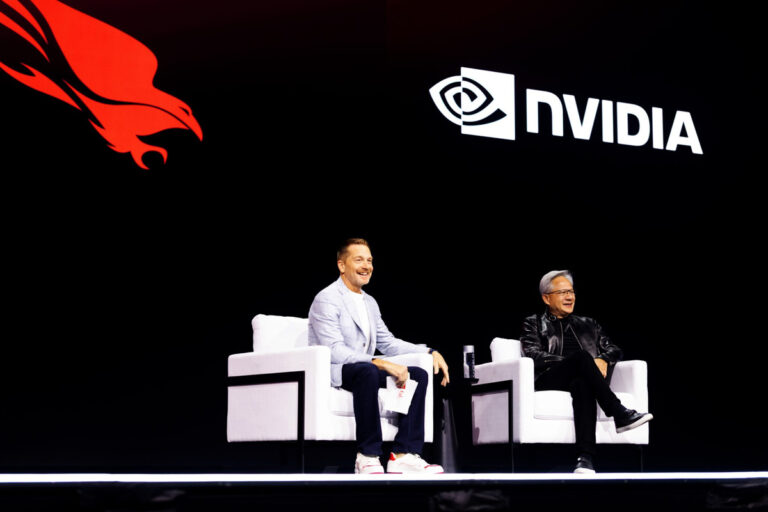
CrowdStrike Holdings Inc. (NASDAQ: CRWD) shares rose in premarket trading Wednesday as the cybersecurity company expanded its collaboration with NVIDIA Corp. (NASDAQ: NVDA), aiming to extend protection for autonomous AI agents from software into the hardware that runs them.
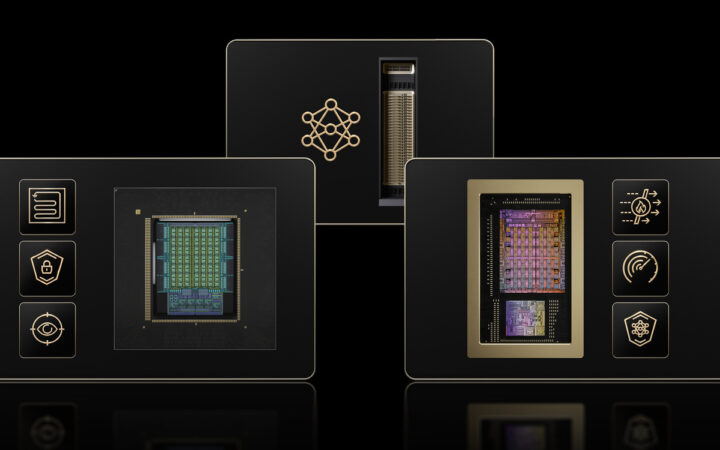
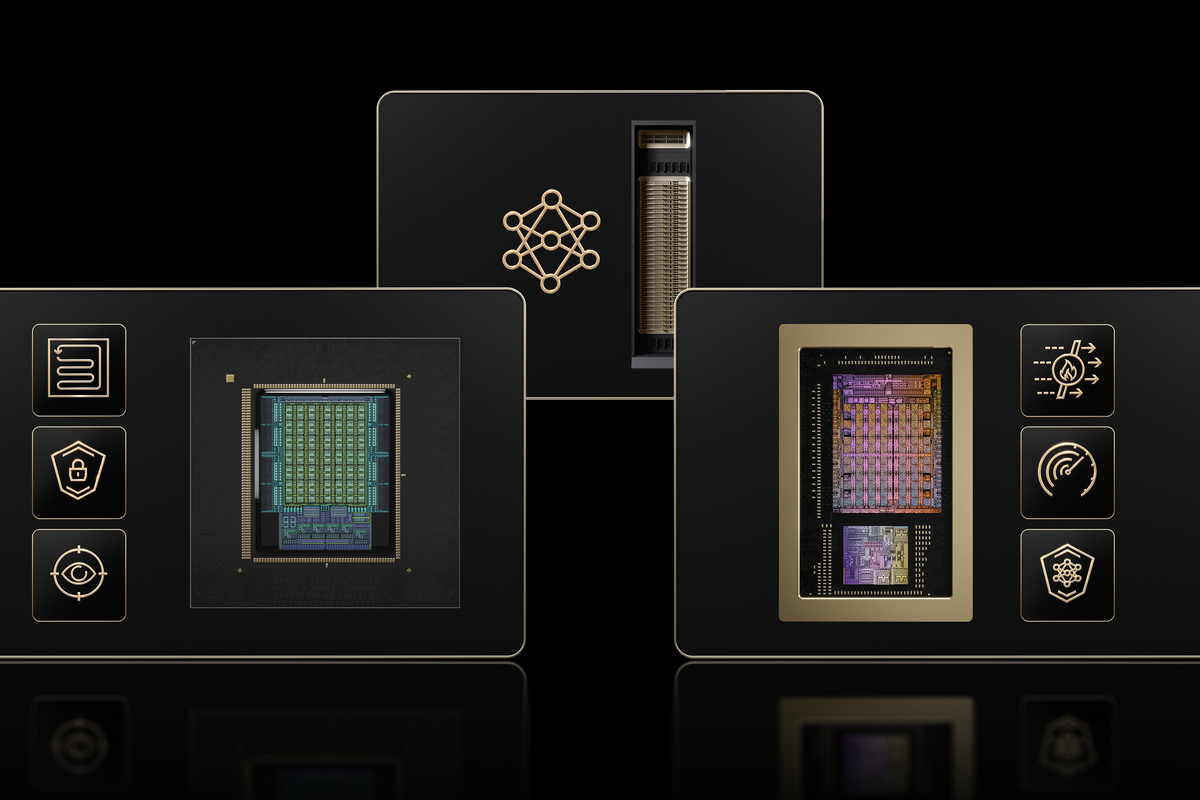
CrowdStrike’s October 21 announcement says it is integrating Falcon Guardian with NVIDIA’s OpenShell runtime and plans an integration with NVIDIA Sentry for hardware-based enforcement on BlueField-4 data-processing units.
CRWD traded at $230.57, up $3.20, or 1.41%, in CNBC’s premarket quote at 7:41 a.m. Eastern time, or 11:41 UTC. The gain followed the partnership announcement, although the quote alone does not establish how much of the move it caused.
The expansion puts CrowdStrike’s AI-security business alongside NVIDIA’s enterprise infrastructure strategy. For shareholders, the central question is whether securing a growing population of agents can translate into additional software subscriptions and broader use of the Falcon platform.
Falcon Guardian Connects Agent Activity With Enterprise Security
The companies’ planned connection brings prompts, model interactions and runtime activity into the broader security context already available through Falcon. That is intended to help analysts identify malicious behavior across an agent’s workflow, rather than examine each AI interaction in isolation.
“Guardrails alone won’t stop an adversary,” CrowdStrike Chief Business Officer Daniel Bernard said in the release.
Falcon Guardian is CrowdStrike’s AI Detection and Response product. In its September introduction, the company described linking AI activity with endpoint information so security teams can trace what an agent was asked to do and what actually happened on a system.
That distinction is relevant when an agent uses ordinary software tools to carry out a task. A suspicious instruction may lead to file access, a credential request or a connection to an external service; examining those actions together can reveal exposure that is less obvious in an individual prompt.
CrowdStrike also describes discovering unapproved agents, investigating their activity and applying runtime controls across supported environments. The NVIDIA expansion adds infrastructure-level connections to that existing product strategy.
NVIDIA Sentry Adds a Separate Hardware Enforcement Layer
OpenShell governs execution and resource access around an agent workload. As we previously reported, NVIDIA’s new reference architecture combines that software with Vera Rubin computing, Vera CPUs and BlueField-4 security infrastructure.
Sentry operates in a separate hardware trust domain on BlueField-4. NVIDIA’s technical explanation describes monitoring communications and selected host-memory information without relying on the agent or its host software to report their own behavior.
This provides a different control point from software running alongside the workload. NVIDIA says Sentry can quarantine agents within milliseconds when it detects a threat or policy violation, and maintain protected records for investigation.
The rollout remains staged. CrowdStrike describes the Sentry integration as planned, while NVIDIA’s technical article lists Sentry’s planned availability for early next year. Neither statement establishes that this complete hardware-linked integration is already generally available.
The Partnership Builds on Earlier AI Infrastructure Work
This is an extension of an existing relationship. In March, the companies outlined a security blueprint connecting Falcon with OpenShell for agents running locally and in cloud environments.
That earlier design addressed endpoint protection, cloud runtime monitoring and identity-based access. Its focus was keeping autonomous systems within defined permissions as they interacted with company resources.
In a June update, CrowdStrike described plans to bring NVIDIA DOCA Argus telemetry into Falcon Next-Gen SIEM, its security information and event management product. The aim was to combine infrastructure signals with endpoint, identity, cloud and other data.
The October expansion brings Falcon Guardian more explicitly into NVIDIA’s agent-security architecture. It connects the AI interaction layer with the infrastructure monitoring work the companies had already been developing.
Recurring Revenue Provides the Financial Backdrop
CrowdStrike’s most recent quarterly results, released August 26, show why subscription growth remains the key financial measure. Revenue for its fiscal second quarter ended July 31 rose 26% to $1.47 billion, including $1.40 billion in subscription revenue.
Annual recurring revenue reached $5.84 billion, up 25% from a year earlier. The company added $332.8 million of net new recurring revenue during the quarter.
ARR measures the annualized value of recurring subscriptions at a point in time. It is different from revenue recognized during the quarter, so the two figures should not be treated as interchangeable measures of sales.
The company generated approximately $530 million in operating cash flow and $377 million in free cash flow during that quarter. These are existing financial results, not benefits attributed to the newly expanded NVIDIA collaboration.
CRWD Investors Will Watch Adoption and Paid Deployment
The business opportunity is to make Falcon part of the security infrastructure enterprises need as agents gain access to more systems. Combining those controls with tools customers already use could support broader platform adoption.
However, Wednesday’s announcement does not disclose contract values, incremental revenue or a separate financial forecast for the partnership. Integration work and customer interest still need to develop into paid deployments before the financial contribution can be measured.
For CRWD investors, the premarket gain reflects a positive initial share-price response. The more durable test will be whether agent-security demand supports recurring revenue growth while the planned hardware enforcement capabilities move toward availability.