Key Notes
- Apple is expected to unveil 14-inch and 16-inch OLED touchscreen MacBook Pro models on October 28, according to Bloomberg.
- The reported premium laptops would follow iPhone Duo’s October 23 retail debut, giving AAPL investors another hardware catalyst.
- Apple has not confirmed the new MacBook specifications or pricing, while its November 2 earnings call will frame the holiday outlook.
Apple Inc. (NASDAQ: AAPL) is approaching another premium hardware launch just days after iPhone Duo reached stores, with Bloomberg reporting that its first touchscreen MacBook Pro is expected on Wednesday, October 28.
The prospect gives investors another product catalyst to assess after the foldable iPhone’s retail debut. The question for Apple stock is whether new designs can translate into stronger hardware revenue and earnings, rather than simply higher starting prices.
The MacBook details remain unannounced specifications. Bloomberg’s Mark Gurman outlined the expected launch in his Power On newsletter, with MacRumors detailing the report ahead of Apple’s “Pro and tell” experience in Los Angeles.
OLED Touchscreens Could Reshape the MacBook Pro
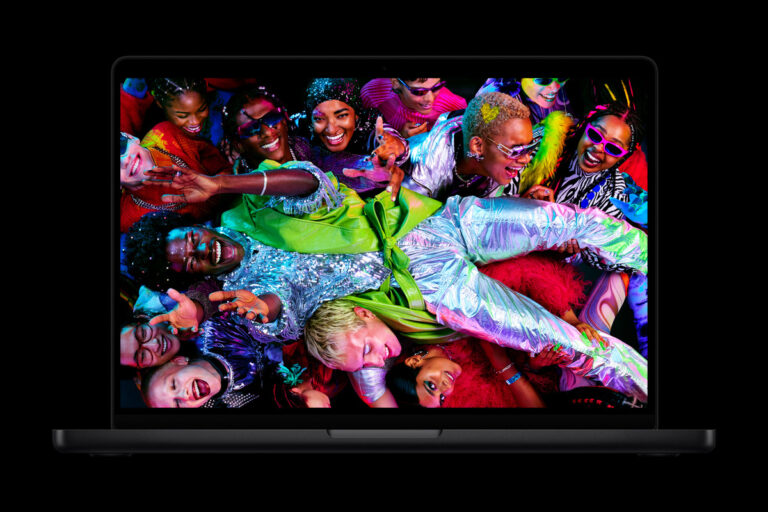
The reported lineup includes 14-inch and 16-inch models with touch-enabled OLED displays and a Dynamic Island replacing the screen notch. The laptops are expected to be lighter while retaining a broadly familiar design.
Touch is reportedly intended to complement the keyboard and trackpad. That would give Apple a new way to differentiate its professional notebooks without asking customers to abandon the controls and software workflows they already use.
For the business, the opportunity would be to persuade existing Mac owners that a different display and interaction method justify an upgrade. Whether that creates additional purchases or mainly shifts buyers toward a more expensive configuration will depend on the final product and customer response.
Premium Pricing Puts the Upgrade Case in Focus
Gurman expects the OLED models to cost more than the current lineup, but Apple has not announced their prices. A premium over existing machines should therefore be treated as a reported expectation, rather than a confirmed launch price.
Apple’s current online store lists the 14-inch M5 Pro model from $2,499 and the 16-inch M5 Pro version from $2,999. The broader MacBook Pro range starts at $1,999 for a 14-inch machine with the standard M5 chip.
That distinction matters when comparing the rumored laptops with today’s products. The $2,499 figure describes the M5 Pro entry point, not the least expensive MacBook Pro Apple sells. A meaningful comparison will require matching screen size, chip, memory and storage once the new configurations are official.
A higher selling price can lift revenue per device, but the impact on profit also depends on component costs and the mix of models customers choose. Investors will need more than an expensive display to judge the financial contribution.
iPhone Duo Adds a Second Premium Hardware Test
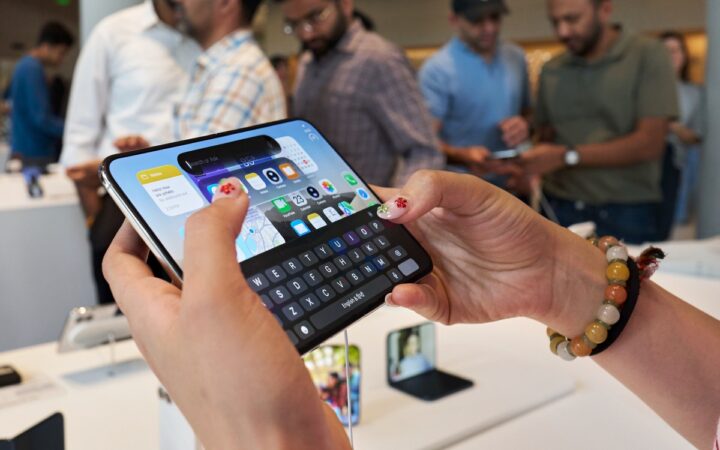
The MacBook report follows iPhone Duo’s October 23 retail launch, which we reported as Apple expanded its lineup with its first foldable iPhone.
Apple’s original announcement priced the device from $1,999 and scheduled its initial release across more than 70 countries and regions. Another 28 markets are due to follow on October 30. Its official retail update documented customers visiting stores for the debut.
The two products would address different replacement cycles: one asks customers to pay for a new smartphone form factor, while the other could make a redesigned display the reason to replace a professional laptop. Together, they put the durability of demand for Apple’s premium hardware in focus ahead of the holidays.
Early shipping delays are not a substitute for financial results. As we previously reported, the Duo’s order backlog extended delivery estimates, but those estimates do not reveal unit sales or separate demand from supply constraints.
Apple Stock Approaches Another Product Catalyst
AAPL finished Friday, October 23, at $347.73, down 0.14%, after trading as high as $351.73, according to historical data. Those figures describe the last completed session, rather than Monday’s trading.
For shareholders, Wednesday’s announcement could clarify the Mac’s positioning, availability and price. It would not establish how many customers will upgrade or how much additional operating profit a touchscreen lineup might generate.
November Earnings Will Frame the Holiday Outlook
Apple’s investor calendar schedules its fiscal fourth-quarter results call for Monday, November 2. That creates a second near-term checkpoint after the expected MacBook unveiling.
The reporting period ended September 26, before iPhone Duo reached stores, so those results will not contain its October retail sales. The more relevant signals for the new devices will be management’s holiday outlook, comments on availability and any discussion of manufacturing costs.
The immediate focus is therefore on two separate developments: the specifications Apple actually confirms on Wednesday, and the financial outlook it presents the following Monday. Both will help investors assess how the latest hardware cycle could affect AAPL.