Key Notes
- Frasers acquired another 198,666 Hugo Boss shares for €7.63 million, taking its direct stake to 50.08%.
- Hugo Boss is expected to become a consolidated subsidiary, while 49.92% of its shares remain with other investors.
- Separate sold put options could increase Frasers’ exposure further, with potential consideration of up to €501.1 million.
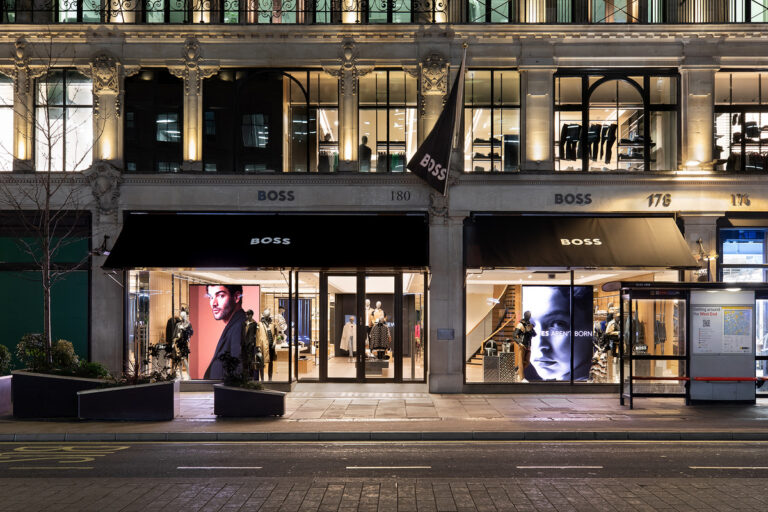
Frasers Group plc (LSE: FRAS) has taken majority ownership of Hugo Boss AG (XETRA: BOSS), crossing the 50% threshold in a transaction that will bring the German fashion company into the British retailer’s consolidated accounts.
Frasers disclosed on October 23 that it bought 198,666 additional shares for €7.63 million using existing cash. It now directly holds 34,468,065 shares, representing 50.08% of Hugo Boss’s capital.
The purchase changes the relationship between the two businesses. Frasers moves from a large minority investment to a controlling shareholding, although Hugo Boss remains a separately listed company with other shareholders and its own governance structure.
A Small Purchase Crosses an Important Threshold
The latest cash outlay is relatively modest because Frasers had already accumulated most of its position. The €7.63 million transaction is the cost of the additional shares purchased on Friday, rather than the total price paid for its entire Hugo Boss investment.
Frasers says Hugo Boss’s earnings, assets and liabilities are expected to be consolidated into its financial statements, making the fashion group a subsidiary. That accounting change will expand the reported size of Frasers without making every euro of Hugo Boss profit attributable to Frasers shareholders.
The remaining 49.92% interest still belongs to other investors. Their economic share will need to be reflected when the combined group reports results, alongside the accounting effects of obtaining control.
This is also different from buying every outstanding share. Friday’s announcement does not announce a delisting or a completed purchase of the remaining minority holdings.
Put Options Create Additional Financial Exposure
Frasers separately disclosed interests in up to 15,050,100 Hugo Boss shares under sold put options, equivalent to a further 21.87% of the fashion company’s capital.
Those instruments are distinct from the 50.08% already held directly. A sold put can oblige its seller to buy shares if the counterparty exercises its rights; it is therefore a potential future purchase commitment, rather than evidence that those shares have already changed hands.
The company puts the net consideration payable if the outstanding puts are exercised in full at up to approximately €501.1 million. Different counterparties and expiry dates are involved, so the figure should not be read as a single cash payment made alongside Friday’s acquisition.
For FRAS investors, this makes funding exposure relevant as well as control. The immediate purchase was financed with existing cash, while future option exercises could require additional deployment of capital.
Majority Ownership Leaves Governance Constraints
Hugo Boss’s offer documents provide the background to Frasers’ earlier attempt to increase its investment. The new threshold purchase is the latest stage in that process, rather than a fresh offer for all shareholders on newly announced terms.
Frasers’ regulatory announcement also cautions that German law leaves day-to-day management with Hugo Boss’s management board, reporting to its supervisory board. Majority ownership therefore does not by itself mean Frasers executives now make every operating decision at the fashion house.
Its strategic influence will nevertheless be more consequential because Hugo Boss now forms part of the group’s consolidated financial picture. Investors will be watching how the relationship affects capital allocation, retail distribution and future investment, without assuming any specific operating changes have already been agreed.
Retail Performance Will Determine the Financial Payoff
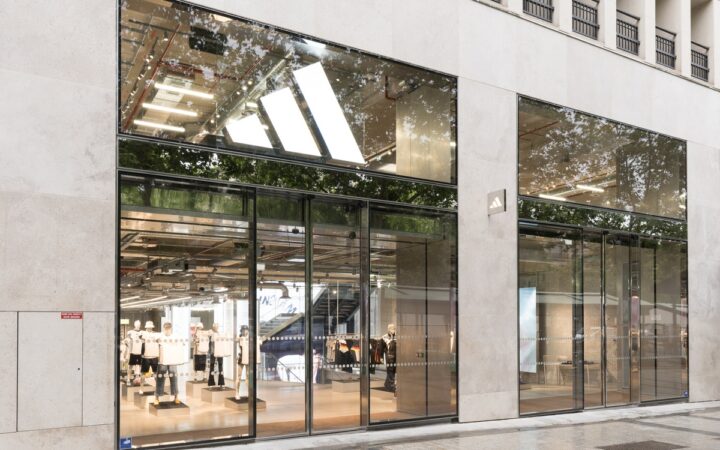
The ownership change comes at an uneven moment for branded apparel. We previously reported that Adidas raised its outlook after a record quarter, illustrating how differently individual companies are performing within the wider consumer sector.
That comparison does not establish that Hugo Boss will follow the same path. Its own demand, product mix, distribution costs and investment decisions will determine whether Frasers’ larger stake delivers an attractive return.
The immediate milestone is clear: Frasers has crossed into majority ownership. The next financial test is how consolidation affects the parent’s reported results and whether stronger influence over the investment translates into sustained operating improvement.