Key Notes
- Elon Musk says SpaceX has closed $40 billion in debt financing for GPUs, moving the transaction beyond earlier fundraising talks.
- Musk described the borrowing as primarily callable debt for chips arriving in the first half of 2027, with limited impact this quarter.
- Earlier interest-rate estimates remain unconfirmed final terms as investors assess SpaceX’s AI expansion and debt obligations.
SpaceX (NASDAQ: SPCX) has closed $40 billion in debt financing to buy artificial intelligence chips, Elon Musk said, securing funding for a computing expansion as investors scrutinize the industry’s borrowing needs.
Musk announced the closing on X on Sunday, October 25, pointing to SpaceX’s investment-grade status and revenue from Starlink and rocket launches. His comments move the transaction beyond the fundraising discussions reported earlier this month.
In a follow-up, he said the financing was primarily callable debt for GPUs due to arrive in the first and second quarters of 2027, adding that the purchases would not be a major factor this quarter.
This is primarily callable debt for GPU purchases that will arrive in Q1 and Q2. Not a major factor this quarter.
— Elon Musk (@elonmusk) October 25, 2026
SpaceX Secures Funding for Its Next AI Buildout
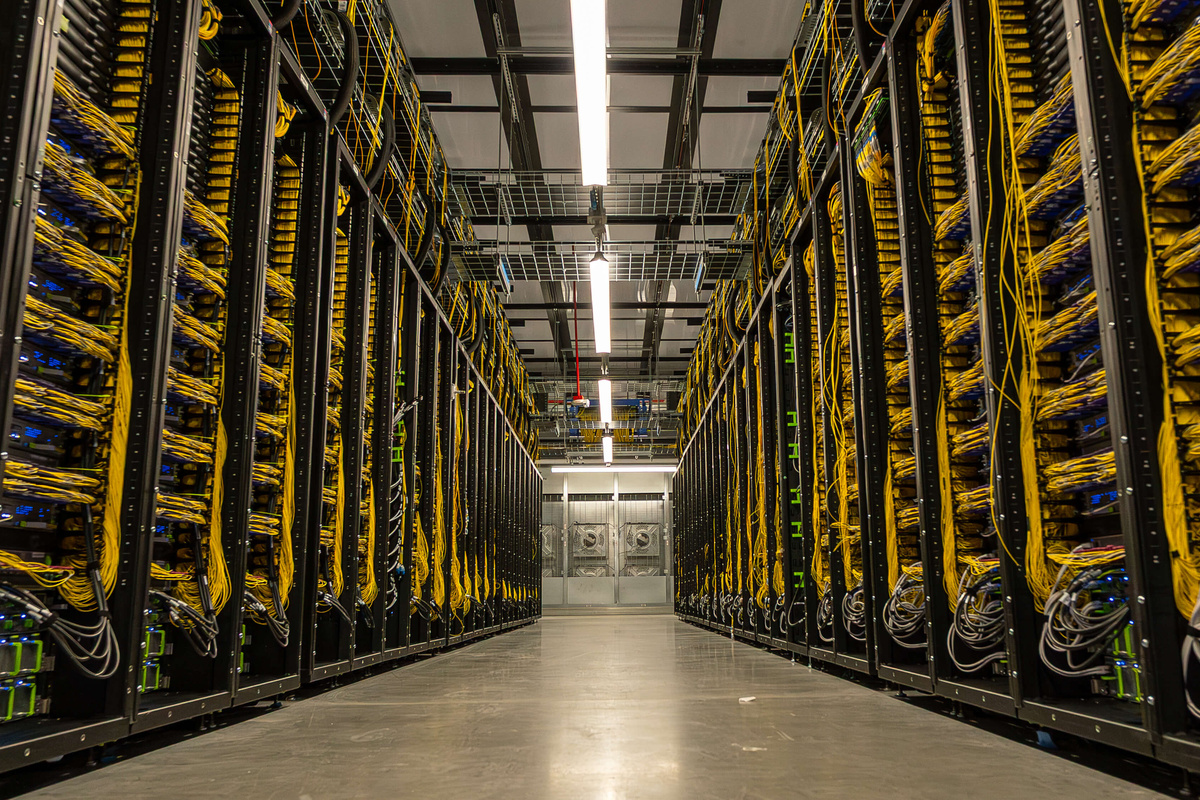
The closing gives SpaceX financing for a further expansion in graphics processing units, the processors used to train and operate AI systems. Musk’s delivery timeline points to additional hardware arriving in the first half of next year.
That timing separates the new borrowing from the company’s immediate spending requirements. It also means the $40 billion announcement should not be read as confirmation that all the equipment has already been delivered or deployed.
Callable debt generally gives the borrower a contractual right to repay it before maturity, subject to the agreement’s terms. It can provide flexibility if cheaper financing becomes available, but the label alone does not establish the interest rate, repayment schedule or cost of exercising that right.
Musk did not disclose those details in the posts. The announcement therefore confirms the financing milestone in his account, while leaving the final economics for investors to assess as further disclosures emerge.
Earlier Rate Estimates Remain Negotiating Context
The financing had attracted attention because of its size and the changing cost of AI-related credit. As we previously reported, Semafor said on October 22 that the lowest-rated portion was expected to carry interest of around 8.3%, while a safer, chip-backed portion could price near 7.75%.
Semafor’s report described a transaction still being finalized and explicitly said pricing could change. Those figures should not be treated as confirmed coupons on the completed financing, or as a single interest rate applying to the entire $40 billion.
Bloomberg earlier reported that the proposed structure involved a special-purpose vehicle intended to keep the debt off SpaceX’s balance sheet and preserve its credit ratings, according to CNBC. Goldman Sachs was leading discussions with investors including Apollo Global Management, the earlier reporting said.
Musk’s closing announcement did not spell out the final vehicle, guarantees or accounting treatment. Those distinctions matter because the entity that borrows, the assets supporting it and any obligations retained by SpaceX determine how much risk remains with the wider group.
AI Revenue Growth Comes With Heavy Investment
SpaceX’s latest quarterly filing shows why the financing has become central to its investment case. Its Super Intelligence segment generated $7.56 billion in third-quarter revenue, compared with $813 million a year earlier, becoming its largest revenue business.
The segment earned $431 million in operating income. Connectivity, which includes Starlink, produced $5.25 billion in revenue and $2.37 billion in operating income. That illustrates the distinction between the fastest-growing revenue source and the business contributing the most operating profit.
Group capital expenditure reached $19.59 billion in the quarter, including $16.44 billion in Super Intelligence. We reported those results as SpaceX’s AI and satellite businesses expanded together.
The filing recorded $38.01 billion in debt principal at September 30, before the financing Musk announced on October 25. Simply adding the new deal to that figure would not establish an updated consolidated debt total, particularly without the final structure and accounting treatment.
Nvidia Demand Meets a More Selective Credit Market
The fundraising talks had centered on purchasing Nvidia (NASDAQ: NVDA) chips. For the AI supply chain, the closing is evidence that a large buyer has secured financing, although it does not establish when a supplier will recognize revenue.
Musk contrasted SpaceX’s access to capital with conditions facing companies that depend heavily on AI data centers. We reported his warning that tighter debt financing could drive failures and consolidation among more than 200 neocloud operators.
That is Musk’s assessment of the market, rather than an independently established count of companies headed for failure. SpaceX’s ability to finance a major purchase does not by itself show that credit conditions have improved for smaller borrowers.
What SPCX Investors Still Need to Know
For SPCX shareholders, the next questions concern the cost of the financing, the obligations retained by the company and how quickly the new equipment can generate cash. Chip delivery is one milestone; putting that capacity into productive service is another.
The completed financing supports SpaceX’s expansion plans, but it does not answer those operating questions. Final debt disclosures and subsequent results will show how the capital commitment translates into additional capacity, revenue and debt-service requirements.