Key Notes
- Samsung estimates record third-quarter operating profit of ₩107.4 trillion, roughly $80 billion.
- Shares fell 2.42% in the latest Seoul quote despite a 782.5% year-on-year profit increase.
- Full results on October 29 will provide the next test of AI-memory demand and profitability.
Samsung Electronics Co. Ltd. (KRX: 005930) forecast record third-quarter operating profit of ₩107.4 trillion, or about $80 billion, on October 8. The preliminary figure represents a 782.5% increase from a year earlier, extending the earnings boom at the South Korean technology group.
The stock moved in the opposite direction. Yahoo Finance showed a delayed quote of ₩262,000, down ₩6,500, or 2.42%, at 3:32 p.m. Seoul time. The decline underlines the gap between a record earnings number and the expectations already reflected in a share price.
Yonhap reported that the estimate exceeded its financial-data subsidiary’s average forecast by 1.6%. Its dollar conversion put the profit at approximately $79.8 billion. The won figure remains the clearest measure of the result because dollar equivalents vary with the exchange rate used.
Profit Growth Outpaces Revenue
Samsung expects sales of ₩195 trillion, up 126.6% from a year earlier. Operating profit would be around 8.8 times the comparable figure, rather than merely doubling. Against the previous quarter, the estimates imply approximately 14% revenue growth and 20% profit growth.
These are preliminary operating figures, not final net earnings. They do not yet show taxes, financing costs, cash flow or the contribution of each business. Those distinctions matter when assessing how much of the improvement can translate into cash available for investment and shareholder returns.
AI Memory Provides the Earnings Backdrop
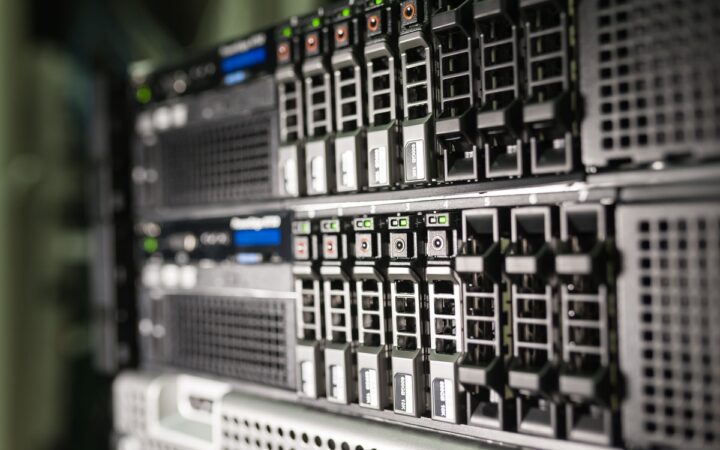
Samsung’s second-quarter results show why memory chips are central to the story. Its Device Solutions division generated ₩89.2 trillion in operating profit in that period, nearly all of the group’s ₩89.5 trillion total. The company attributed the strength to AI-related server demand, limited capacity and higher memory prices.
As we previously reported, that earlier quarter had already set a profit record. The latest estimate raises the bar again, but Samsung has not yet disclosed a third-quarter semiconductor breakdown. The prior period provides context rather than a substitute for the missing division-level results.
The same July release also showed the uneven impact of the memory boom. Samsung’s mobile and networks businesses recorded a ₩700 billion operating loss as component costs weighed on earnings. Higher chip prices can therefore strengthen one part of the group while putting pressure on another.
Samsung said at the time that server demand should remain robust in the second half, while mobile and PC demand faced some moderation. Its full third-quarter report will allow investors to check how that expected divergence developed and whether stronger memory earnings continued to offset weakness elsewhere.
HBM Progress Adds a Technology Test
The product roadmap is another part of the earnings outlook. Samsung announced in May that it had started shipping 12-layer HBM4E samples to major global customers, following commercial shipments of its HBM4 memory earlier in the year.
High-bandwidth memory is designed to move large amounts of data for demanding AI workloads. Samsung described its HBM4E samples as offering 48 gigabytes of capacity and bandwidth of up to 3.6 terabytes per second per stack, alongside improvements in energy efficiency and heat management.
The May announcement concerned samples, with mass production planned around customer schedules. It should not be read as confirmation of full commercial HBM4E production during the third quarter. Updates on customer qualification, shipment volumes and production timing will help establish how the next generation contributes to future earnings.
A Record Report Meets a Busy Trading Calendar
The release also arrived during an unusually crowded week for Samsung investors. As we reported, Goldman Sachs had warned that preliminary earnings would coincide with semiconductor ETF rebalancing and options expiry on October 8, creating the potential for additional trading volatility.
Those events can lead funds and traders to adjust holdings or hedges independently of a company’s operating performance. They provide relevant context for the share-price reaction, but do not establish how much of Thursday’s decline came from earnings expectations, portfolio changes or other market pressures.
Samsung has scheduled its third-quarter earnings call for October 29 at 10 a.m. Korean time. Investors will then have the opportunity to examine the business mix behind the headline estimate and management’s assessment of demand.
The immediate questions are whether memory pricing remains supportive, how quickly advanced products can scale and whether consumer-electronics margins improve. Record preliminary profit establishes the strength of the latest quarter; the detailed results will offer a better basis for judging how durable that performance may be.