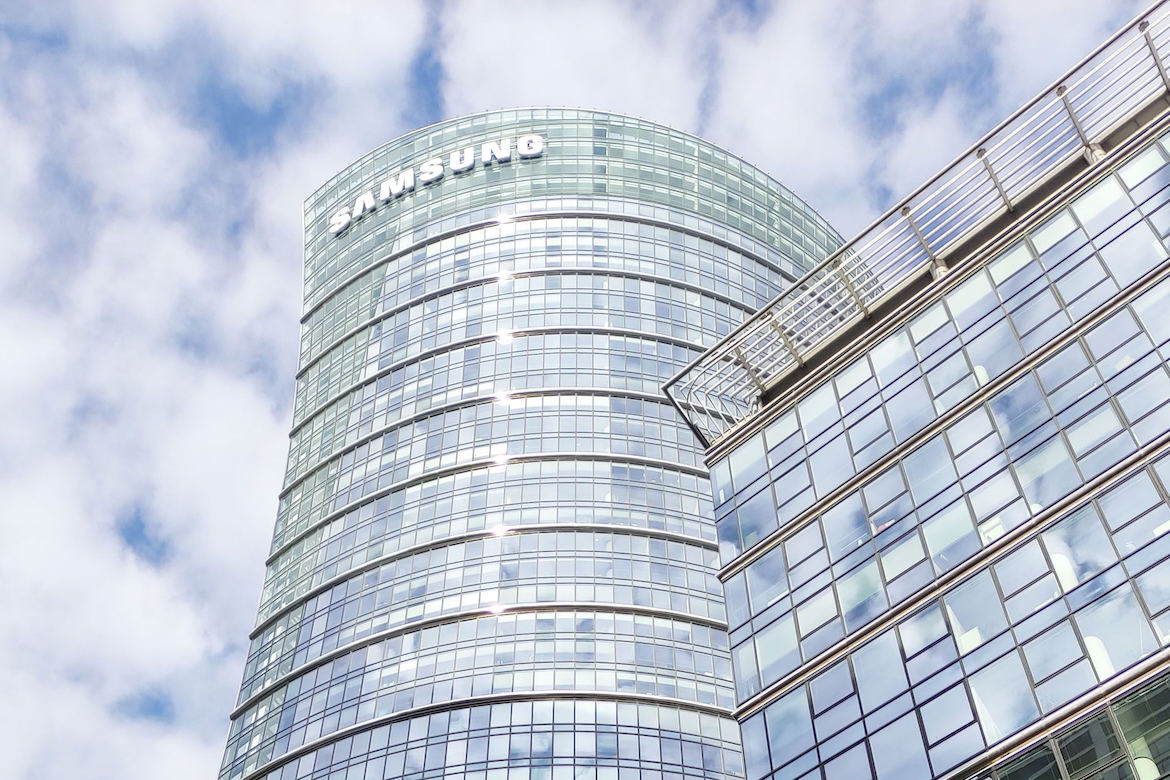
Samsung Electronics reported the most profitable quarter in its history, fueled by surging demand for AI memory chips that sent earnings to record levels.
The South Korean technology giant posted ₩171.5 trillion ($119 billion) in second-quarter revenue, a 130% increase from a year earlier. Operating profit jumped 1,800% year over year to a record ₩89.5 trillion ($62 billion), highlighting the continued strength of the artificial intelligence investment cycle.
Semiconductor Business Drives Record Results
Samsung’s semiconductor division remained the company’s primary growth engine during the quarter.
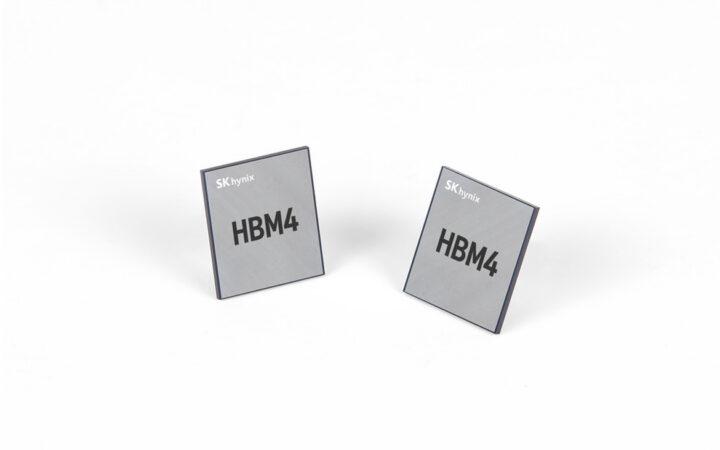
The business generated a record ₩89.2 trillion in operating profit, representing an increase of more than 250-fold compared with the same period last year. Strong demand for high-bandwidth memory (HBM) chips used in AI accelerators and data centers continued to boost pricing and profitability across Samsung’s memory business.
The results underscore how rapidly AI infrastructure spending is reshaping the semiconductor industry, with leading memory chip makers benefiting from robust demand from hyperscale cloud providers and AI developers.
Mobile Division Weighs on Performance
Despite the record company-wide results, Samsung’s mobile business faced a challenging quarter.
The division reported an operating loss of ₩700 billion, marking its first quarterly loss on record. The weaker performance contrasted sharply with the booming semiconductor business and reflects increasing competition in the global smartphone market.
Even so, the strength of Samsung’s chip operations more than offset weakness in mobile devices, allowing the company to deliver record earnings.
Investors Cheer Strong Earnings
Investors responded positively to the results, sending Samsung shares up approximately 10% following the earnings release.
The rally reflects growing confidence that demand for AI memory chips will remain strong as technology companies continue investing heavily in artificial intelligence infrastructure. Samsung, alongside other leading memory manufacturers, has emerged as one of the biggest beneficiaries of the global AI boom.
While investors continue monitoring whether AI-related capital spending can be sustained over the long term, Samsung’s latest results suggest that demand for advanced memory chips remains exceptionally strong.