Key Notes
- Ryanair expects a roughly €2 billion fuel-cost increase in the year starting April 2027, with higher fares unlikely to cover it fully.
- Management is reviewing temporary pay freezes, staffing efficiency and other savings after first-half profit fell 15% to €2.15 billion.
- The airline announced an €800 million buyback starting in February, while withholding a full-year profit forecast amid fuel and booking uncertainty.
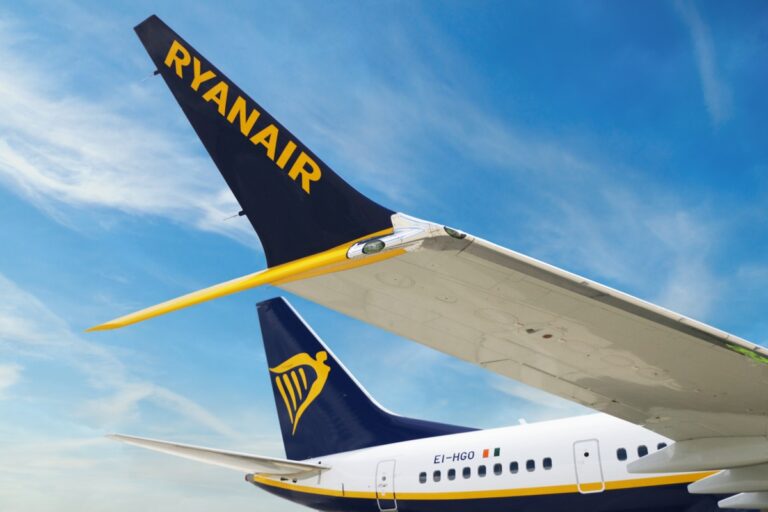
Ryanair Holdings plc (NASDAQ: RYAAY; Euronext Dublin: RYA) is reviewing costs, including possible temporary pay freezes, as it warns that sharply higher airfares next year are unlikely to cover an estimated €2 billion increase in its fuel bill.
The November 2 results statement puts the warning in Ryanair’s financial year ending March 2028, which begins in April 2027. The estimate depends on current forward fuel prices, leaving the eventual cost sensitive to energy markets and further hedging.
For shareholders, the challenge is how to preserve margins as cheap fuel contracts expire. The airline remains profitable and has announced another buyback, but its latest figures show passenger growth failing to keep pace with rising operating expenses.
Cheap Fuel Hedges Approach Their Expiry
Ryanair has covered 80% of its fuel needs through March 2027 at about $67 a barrel. For the following financial year, coverage is 25% at approximately $95 a barrel, exposing a much larger proportion of expected consumption to future market prices.
Hedging fixes prices for part of an airline’s anticipated fuel purchases. It can delay the effect of a price surge, but protection must eventually be renewed. The difference between the two years’ coverage helps explain why a carrier that is relatively well protected today can still face a substantial increase next year.
Chief executive Michael O’Leary expects higher fuel prices and reduced competitor capacity to support a material increase in European short-haul fares. He nevertheless expects that increase to fall short of the projected fuel-cost rise.
That is a warning about the limits of passing costs to customers. Higher ticket prices can improve revenue per passenger, while also making travel less affordable; the result depends on demand, available seats and what competing airlines charge.
More Passengers Produce Less Profit
For the six months ended September 30, profit after tax fell 15% to €2.15 billion. Revenue increased 3% to €10.08 billion and passenger numbers rose 6% to 125.8 million, but operating costs climbed 10% to €7.69 billion.
Average fares fell 4% to €55.70. The company said the price paid for its unhedged fuel approximately doubled, while lower supplier compensation also weighed on the comparison. Only the unhedged portion experienced that doubling, rather than the entire fuel bill.
The financial statements put half-year operating profit at €2.395 billion, down from €2.861 billion. Calculated against reported revenue, operating margin narrowed to about 23.8% from 29.1%.
The July-to-September quarter was stronger than the half-year decline alone suggests, although profit still fell. Quarterly net income dropped 6% to €1.61 billion on revenue of €5.70 billion. Separating the quarter from the six-month total avoids confusing two different measures of earnings performance.
Pay and Staffing Enter the Cost Review
Ryanair’s review covers airport agreements, staffing efficiency and greater use of artificial intelligence in operations and support functions. Temporary pay freezes may be sought as labor agreements mature.
These are measures under consideration. The statement does not announce a blanket wage freeze or quantify a hiring reduction. Lower crewing ratios are identified as a possible source of savings, without a specified groupwide headcount target.
For investors, the eventual savings matter more than the list of options. Management must show how negotiations and productivity changes reduce spending while maintaining the staffing and operational capacity needed to run the schedule.
The pressure follows the fuel risks we previously reported in Ryanair’s warning about weaker airlines. The latest update brings that industry concern into the company’s own planning for the next financial year.
Winter Flying Is Being Held Back
The airline reiterated its reduced current-year passenger target of 214 million, down from 216 million. Traffic between November and March is expected to be broadly flat year over year, limiting exposure to expensive unhedged fuel during winter.
Ryanair still plans to carry more than 220 million passengers in the following financial year. That growth plan depends partly on new aircraft and shows the company is adjusting when and where it expands, rather than abandoning expansion.
Capacity discipline can reduce losses on weaker routes and help keep aircraft focused on more attractive markets. It also limits the number of additional passengers over which fixed costs can be spread, making route selection and airport charges more consequential.
The energy backdrop has produced very different outcomes across industries. As we reported last week, stronger refining margins supported oil-company earnings. For airlines purchasing those fuels, the same tight product market increases a major expense.
Shareholder Returns Continue as Visibility Remains Limited
Ryanair ended September with €2.6 billion in gross cash and approximately €700 million of undrawn revolving credit. It declared an interim dividend of €0.273 per ordinary share and an €800 million buyback beginning in late February 2027.
The repurchase program is expected to run for roughly ten months, subject to market conditions. Those planned distributions provide a counterweight to the cost warning, while remaining a future use of cash alongside aircraft investment and operating needs.
Management declined to provide meaningful full-year profit guidance, citing limited booking visibility and fuel-price uncertainty. For RYA and RYAAY investors, the next tests are winter pricing, progress on cost negotiations and how much additional fuel exposure the airline can hedge before April.