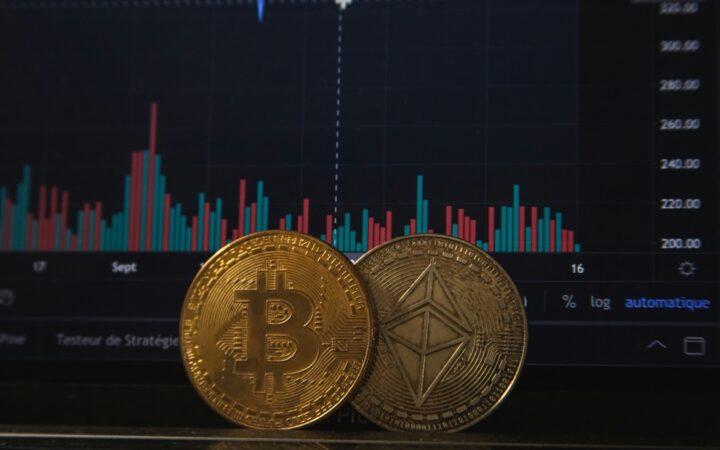
Tokenization represents assets, rights, claims, or access permissions as programmable digital tokens recorded on electronic or distributed ledgers. Learn how it works, why it matters, how to evaluate it, and which risks beginners should understand.
Tokenization is part of the financial landscape, but a short definition does not explain how it operate, why people use it, or where the principal risks sit. This beginner’s guide builds the subject from purpose and mechanics through measurement, evaluation, and practical safeguards.
Rules, taxes, product terms, and available protections vary by jurisdiction and can change over time. Readers should use this explanation as an educational framework, then verify current information in official documents and obtain qualified advice when a decision could materially affect their finances, legal rights, or security.
What Is Tokenization?
Tokenization represents assets, rights, claims, or access permissions as programmable digital tokens recorded on electronic or distributed ledgers.
Why Tokenization Matters
Tokenization can improve recordkeeping, fractional access, programmability, transfer processes, collateral use, and settlement efficiency.
How Tokenization Works
Tokenization represents rights, claims, or records as digital tokens that can be issued, transferred, programmed, and reconciled on shared infrastructure.
In practice, its effects vary across jurisdictions, products, institutions, and market conditions. Comparing several sources and asking who bears each cost or risk prevents a simplified explanation from becoming a false promise.
The Main Elements
Important concepts include digital tokens, real-world assets, fractional ownership, smart contracts, settlement, custody, securities. These elements describe different layers of the subject and should not be treated as interchangeable.
In practice, its effects vary across jurisdictions, products, institutions, and market conditions. Comparing several sources and asking who bears each cost or risk prevents a simplified explanation from becoming a false promise.
MarketSpeaker’s glossary provides additional explanations of credit and debt, terms that often appear in data, contracts, research, and financial reporting connected with this subject.
Participants and Institutions
The principal participants include issuers, investors, asset owners, platforms, custodians, transfer agents, banks, lawyers, developers, and regulators.
In practice, its effects vary across jurisdictions, products, institutions, and market conditions. Comparing several sources and asking who bears each cost or risk prevents a simplified explanation from becoming a false promise.
Prices, Costs, and Key Measures
Common measures include token supply, ownership concentration, transaction volume, liquidity, settlement time, fees, backing, and redemption.
In practice, its effects vary across jurisdictions, products, institutions, and market conditions. Comparing several sources and asking who bears each cost or risk prevents a simplified explanation from becoming a false promise.
Benefits and Practical Uses
Tokenization can improve recordkeeping, fractional access, programmability, transfer processes, collateral use, and settlement efficiency.
In practice, its effects vary across jurisdictions, products, institutions, and market conditions. Comparing several sources and asking who bears each cost or risk prevents a simplified explanation from becoming a false promise.
Risks and Limitations
A token may not convey enforceable rights, while custody, code, valuation, liquidity, privacy, interoperability, and regulation can create gaps.
In practice, its effects vary across jurisdictions, products, institutions, and market conditions. Comparing several sources and asking who bears each cost or risk prevents a simplified explanation from becoming a false promise.
Connections with Markets and the Economy
Tokenization connects with the wider digital assets system through prices, funding conditions, confidence, regulation, technology, and the movement of money or information.
In practice, its effects vary across jurisdictions, products, institutions, and market conditions. Comparing several sources and asking who bears each cost or risk prevents a simplified explanation from becoming a false promise.
How to Evaluate Tokenization
Verify the legal claim, issuer, backing, transfer restrictions, custody, code controls, redemption, valuation, liquidity, and governing jurisdiction.
Common Beginner Mistakes
The Bottom Line for Beginners
Tokenization is best understood as a system of rights, incentives, processes, measures, and risks rather than a single product or headline number.
Frequently Asked Questions
What is tokenization in simple terms?
Tokenization represents assets, rights, claims, or access permissions as programmable digital tokens recorded on electronic or distributed ledgers.
How does tokenization work?
Tokenization represents rights, claims, or records as digital tokens that can be issued, transferred, programmed, and reconciled on shared infrastructure.
Why does tokenization matter?
Tokenization can improve recordkeeping, fractional access, programmability, transfer processes, collateral use, and settlement efficiency.
What are the main risks of tokenization?
A token may not convey enforceable rights, while custody, code, valuation, liquidity, privacy, interoperability, and regulation can create gaps.
What should beginners check before using tokenization?
Verify the legal claim, issuer, backing, transfer restrictions, custody, code controls, redemption, valuation, liquidity, and governing jurisdiction.