Key Notes
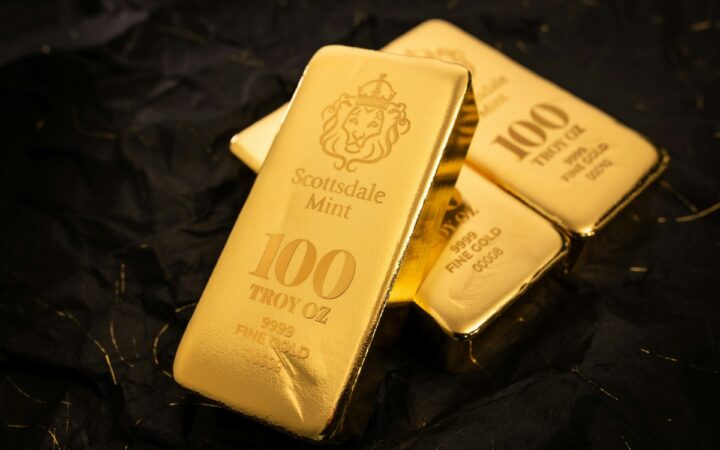
- Spot gold fell to $3,986.50 on October 23, breaking below $4,000 for the first time since mid-July before recovering.
- Bullion was at $4,030.67 at 13:18 UTC, still down 3.2% for the week and heading toward a second consecutive weekly decline.
- Higher oil prices complicated the inflation outlook ahead of the Federal Reserve’s October 27–28 policy meeting.
Gold fell below $4,000 an ounce on October 23 for the first time since mid-July, reaching $3,986.50 before recovering. The move extended pressure on bullion as higher energy prices complicated the outlook for inflation and interest rates.
Spot gold was back at $4,030.67 by 13:18 UTC, up 0.2% on the day, Reuters reported. It remained down 3.2% for the week at that snapshot, heading toward a second consecutive weekly loss.
The recovery means the sub-$4,000 price was an intraday breach, rather than a completed-session close. For investors, the larger question is whether bullion can regain stability while monetary policy and investment flows continue to pull in different directions.
Oil Prices Complicate Gold’s Inflation Appeal
Brent crude reached a more than five-month high after Houthi attacks in Saudi Arabia raised concerns about further supply disruption, according to Reuters. More expensive energy can sustain inflation pressure and make it harder for central banks to lower borrowing costs.
That creates competing forces for gold. Concern about purchasing power can support demand for bullion, but the metal pays no interest. If investors expect attractive returns from cash and bonds to persist, the opportunity cost of holding gold increases.
The Federal Reserve’s next policy meeting is scheduled for October 27–28, according to its official calendar. Traders assigned a 92% probability to unchanged rates next week and an 83% chance of a December increase in the CME FedWatch figures cited by Reuters.
Those probabilities describe market pricing, rather than a decision already made by policymakers. A pause at one meeting can coexist with expectations of later tightening, which leaves the anticipated path of rates relevant beyond the next announcement.
Strong ETF Buying Has Not Prevented Falling Prices
The latest decline follows an unusually weak September. The World Gold Council’s October 7 commentary put the month-end gold price at $4,176 an ounce, down 8.5% over the month.
Its return-attribution model identified rising Treasury yields and a stronger dollar as major contributors. The analysis also showed why a headline measure of investor demand can give an incomplete picture of the market.
Global gold ETFs attracted $10 billion, or 67 tonnes, in September even as prices fell. At the same time, COMEX managed-money positioning contracted by 84 tonnes, while positions involving offsetting contracts across maturities also declined sharply.
The council linked that futures liquidation to the price weakness. These are September figures, not a measurement of Friday’s selling, but they demonstrate that ETF inflows and a falling gold price can occur together.
We reported on the preceding session’s AI-led stock selloff and jump in oil. That broader market pressure provides context for the volatility, although simultaneous declines alone cannot identify who sold gold or establish the motive behind each trade.
Central Bank Demand Reflects a Longer Time Horizon
Official-sector buying offers another perspective. The World Gold Council’s October 6 reserve update recorded 39 tonnes of reported net central-bank purchases in August, led by China, Uzbekistan and Poland.
China added approximately 20 tonnes, while Poland and Uzbekistan each bought about 8 tonnes. Those monthly disclosures concern reserve accumulation, rather than orders placed during the October 23 session.
As we previously reported, central-bank purchases and changes in where existing reserves are stored also describe different activities. Moving bullion between custodians does not automatically increase global demand for additional metal.
Reserve managers can pursue diversification over several years while traders adjust leveraged positions within hours. Continued official buying therefore does not guarantee that a particular dollar price will hold during a market selloff.
The Rebound Leaves $4,000 in Focus
The return above $4,000 reduced the immediate size of Friday’s decline, but did not erase the week’s losses at the quoted time. Whether the market finishes above or below that threshold remains separate from the low already recorded.
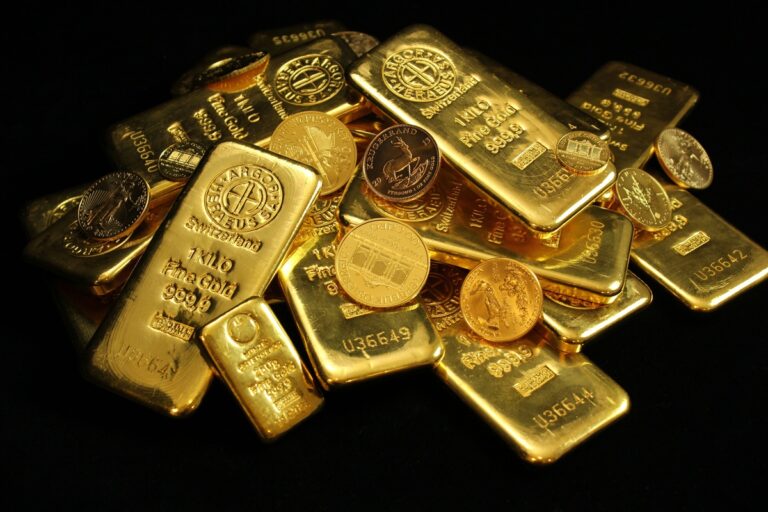
Spot prices, futures contracts and retail bullion purchases also represent different transactions. Physical buyers may pay premiums and dealing costs, so the international spot quotation is not necessarily the price available for a particular coin or bar.
The next tests are the Fed’s policy message, changes in the dollar and bond markets, and whether investment demand absorbs further selling. Friday’s breach establishes a new low for this phase of the market; it does not, by itself, establish either a lasting floor or a forecast of the next move.