Key Notes
- CSN signed an agreement to sell its cement business at a 12.7 billion-real enterprise value.
- Huaxin expects to pay about $1.64 billion for 99.99% of the equity, subject to closing adjustments.
- The transaction requires regulatory approvals in Brazil and China before completion.
Brazil’s Companhia Siderúrgica Nacional, known as CSN (NYSE: SID), has agreed to sell its cement business to China’s Huaxin Building Materials Group in a transaction valuing the operation at 12.7 billion reais, or about $2.3 billion.
The agreement, signed Saturday and disclosed Sunday, advances CSN’s effort to reduce debt and reshape its capital structure, according to Reuters. It would transfer one of Brazil’s largest cement operations to a Chinese industrial buyer, with completion still subject to regulatory approvals.
Huaxin (HKEX: 6655) expects to pay approximately 9.03 billion reais, or $1.64 billion, for a 99.99% equity stake. That payment is smaller than the headline enterprise value because the calculation accounts for the target’s net debt and working capital.
Two Prices Describe Different Parts of the Deal
The distinction matters for CSN shareholders. Enterprise value measures the business across its equity and net debt; it is not the cash the seller receives for its shares. Treating the full $2.3 billion as sale proceeds would overstate the estimated equity payment.
Huaxin’s acquisition filing says the consideration will be paid in cash in Brazilian reais at closing, with adjustments based on the closing accounts. It plans to use internal resources and external financing. The final equity payment can therefore change as the business’s financial position changes before completion.
For CSN, the eventual balance-sheet benefit will depend on the completed transaction and how the proceeds are used. For Huaxin, the financing terms and the cost of integrating the business will influence the return on the purchase.
CSN Moves From Negotiations to a Signed Agreement
The sale follows a competitive process launched in March. In an October 30 SEC filing, CSN said Huaxin had submitted the most advantageous proposal and granted it 10 days of exclusivity to negotiate definitive documents. The 12.7 billion-real enterprise valuation was already disclosed then.
Sunday’s announcement moves that process to a signed share-purchase agreement. It does not mean the sale has closed or the proceeds are available to CSN.
The divestment comes as CSN, a major steel and iron-ore group, seeks to lower borrowing and improve profitability. Reuters described pressure from a weak steel market and low-cost imports, particularly from China, as part of the backdrop to its asset-sale effort.
Selling an operating division exchanges a stream of future earnings for capital that can be used elsewhere. The relevant comparison for shareholders is the interest and financial risk CSN can shed against the cement earnings it will give up.
Huaxin Gains a Large Brazilian Footprint
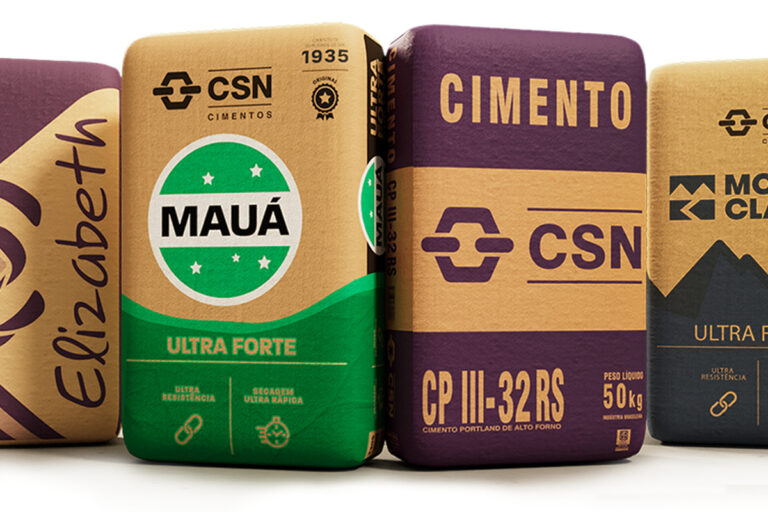
CSN Cimentos operates seven kiln plants and six grinding stations, with annual cement capacity of about 17 million metric tons, the South China Morning Post reported, citing the filings. Huaxin put its share of the Brazilian market at approximately 21%.
CSN began producing cement in 2009 and expanded through the purchases of Elizabeth Cimentos in 2021 and LafargeHolcim’s Brazilian assets in 2022. The acquisition gives Huaxin an established operating network rather than requiring it to build a national business plant by plant.
The buyer’s filing also illustrates the attraction of refinancing the business. CSN Cimentos generated $159 million of EBITDA in the first half of 2026 but recorded an $11.8 million net loss. Huaxin said high financing costs had constrained profit and that it intended to replace expensive bank loans after closing.
Regulators and Financing Come Next
Completion requires approval from Brazil’s antitrust authority CADE and energy regulator ANEEL, along with the relevant Chinese investment and foreign-exchange procedures. Until those conditions are met, the agreement remains a pending cross-border acquisition.
CSN’s next quarterly results are scheduled for November 12. That gives investors a near-term opportunity to assess the cement sale alongside the group’s latest debt and cash-flow figures and judge how much room the deal could create for the rest of the business.