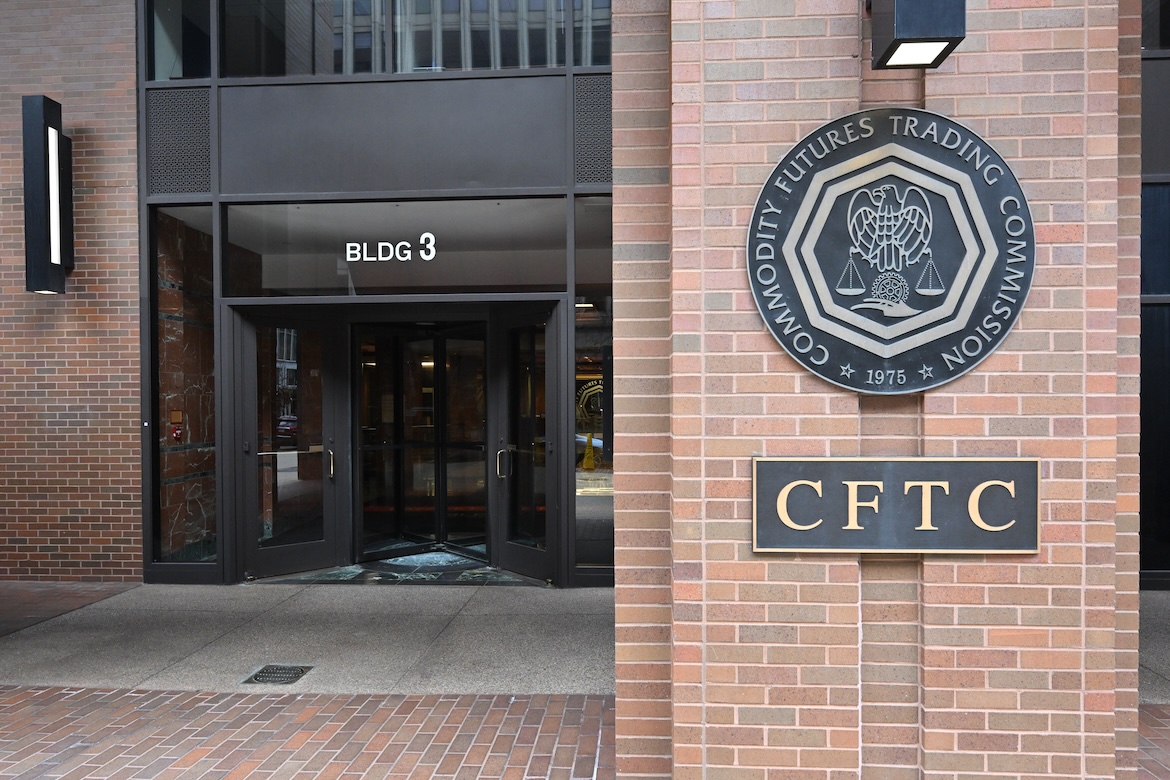
U.S. financial markets should prepare for “mass tokenization” as blockchain technology, stablecoins and continuous trading reshape the infrastructure underpinning traditional finance, according to Commodity Futures Trading Commission Chairman Michael Selig.
Speaking at the 2026 U.S. Treasury Market Conference at the Federal Reserve Bank of New York, Selig said the coming decade could bring greater changes to financial markets than the previous several decades combined. He argued that regulators must adapt existing frameworks so blockchain and artificial intelligence can operate at scale while preparing market participants for an increasingly onchain and continuously operating financial system.
Tokenization Could Transform Every Asset Class
One of the biggest changes identified by Selig is the tokenization of real-world assets. Moving securities, commodities and collateral onto blockchain-based infrastructure could allow financial institutions to settle transactions almost instantaneously and transfer collateral between clearinghouses, intermediaries and customers in real time.
Selig compared the potential transformation with the financial industry’s shift from physical trading floors to electronic markets. In his view, tokenization could ultimately have a similarly significant effect across asset classes.
The implications extend beyond simply representing traditional assets as digital tokens. Faster settlement could reduce the amount of capital tied up while transactions are being completed, while real-time collateral mobility could allow market participants to use assets more efficiently across different venues.
Selig said the CFTC wants digital technologies to make U.S. markets more efficient, resilient and competitive while preserving market integrity.
Stablecoins Could Become Financial Infrastructure
Stablecoins are expected to play an important role in that transition. Earlier in 2026, the CFTC expanded the types of eligible tokenized collateral to include certain payment stablecoins issued by national trust banks.
The agency now intends to explore additional ways for market participants, exchanges and clearinghouses to responsibly use stablecoins.
That could eventually give dollar-backed digital assets a much larger role within traditional financial infrastructure. Instead of being used primarily as settlement instruments within cryptocurrency markets, stablecoins could increasingly serve as collateral or payment assets connecting conventional financial institutions with blockchain-based markets.
The development fits into a broader shift toward onchain finance in the United States, as regulators consider how existing market rules should apply when assets, payments and settlement increasingly operate through programmable digital infrastructure.
CFTC Prepares for 24/7 Markets
Continuous trading represents another major part of that transition. The infrastructure supporting derivatives markets increasingly operates globally and around the clock, while investors have grown accustomed to cryptocurrency markets that never close.
Selig cautioned, however, that not every market is ready for 24/7 trading. Rather than imposing one model across the financial system, the CFTC is examining which asset classes are suitable for longer or continuous trading hours.
Crypto assets and precious metals may already be appropriate candidates, according to Selig. Agricultural products, energy contracts and some financial instruments may require a different approach because their underlying markets and liquidity structures do not necessarily support uninterrupted trading.
The CFTC has already sought public feedback on continuous trading and issued staff guidance covering 24/7 trading, clearing and settlement. Any broader transition, Selig said, must preserve market integrity rather than simply extending trading hours because the technology makes it possible.
Wall Street Moves Toward Onchain Finance
The remarks point toward a financial system in which the distinctions between traditional and crypto infrastructure become increasingly blurred. Tokenized securities could trade through blockchain systems, stablecoins could move collateral between institutions, and some markets could operate continuously rather than following traditional exchange hours.
For regulators, that transformation creates both opportunities and risks. Faster settlement and more efficient collateral use could reduce friction, but continuously operating markets would also require clearing, risk management, surveillance and liquidity systems capable of functioning without traditional overnight shutdowns.
Selig’s message is that regulators should begin adapting before those changes become widespread rather than responding after the market has already shifted.
Mass tokenization remains a developing scenario rather than an established endpoint for the financial system. But the CFTC chairman is now explicitly preparing the agency for a future in which blockchain infrastructure, tokenized assets and 24/7 markets become substantially more important to mainstream finance.