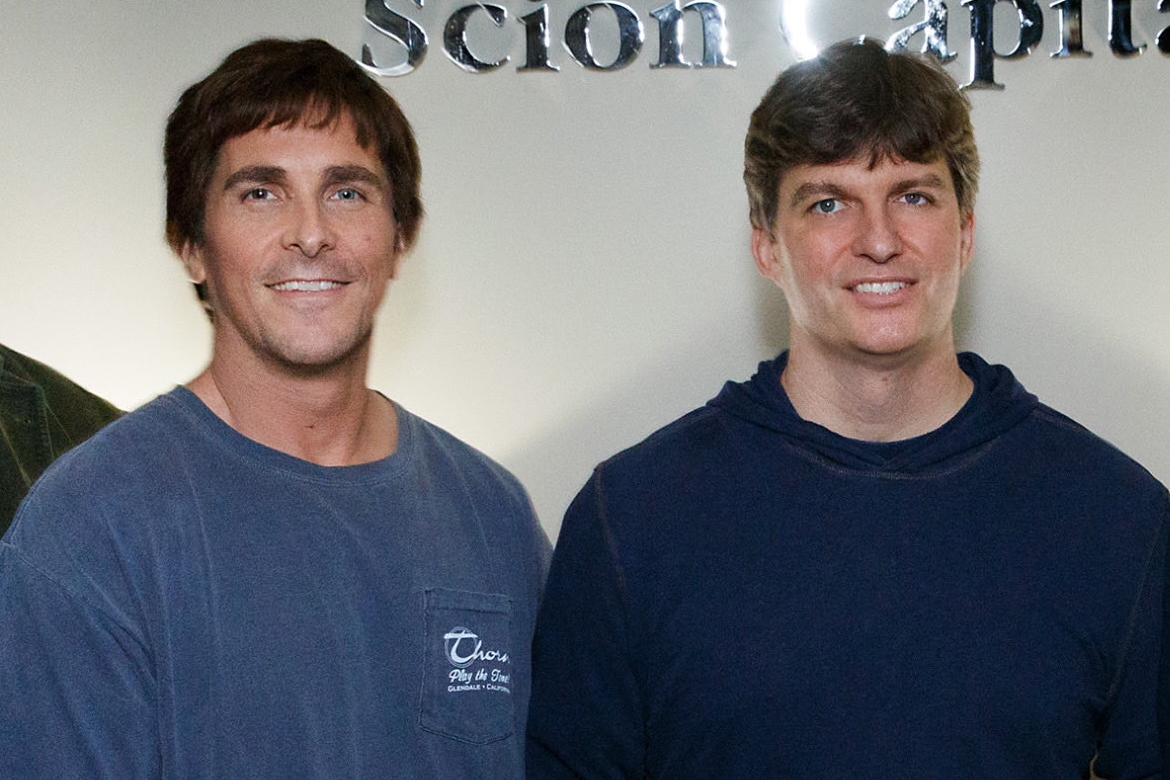
Michael Burry is rebuilding some of his bearish bets against the artificial intelligence and semiconductor boom, just weeks after the investor behind one of the most famous trades of the 2008 financial crisis reduced risk across his entire portfolio.
Burry said in a September 22 update that he had added “in some size” to short positions in Micron Technology, Nebius, Palantir Technologies and the iShares Semiconductor ETF, according to reports citing his Substack. The move indicates that his decision to raise cash earlier this month did not represent an abandonment of his broader bearish thesis on AI-related valuations.
Burry Cut Every Position Earlier in September
The latest trades are notable because Burry took almost the opposite approach on September 9. He disclosed that he had reduced every other position in his portfolio as he pulled back on overall risk and accumulated cash that he was comfortable holding while waiting to see how markets developed during the fall.
As part of that reduction, Burry completely exited his December 2026 Nvidia and Palantir put options, citing the rapid time decay associated with options approaching expiration. He did not, however, eliminate his longer-term bearish exposure: his 2027 Palantir and QQQ puts remained unchanged.
His direct short positions were also reduced rather than eliminated. At the time, Burry identified Oracle as his largest short, followed by Palantir, Nebius, Nvidia, SOXX, Micron, Caterpillar and CoreWeave. He did not disclose the exact dollar value or portfolio weighting of those positions.
The distinction is significant. Burry was reducing the amount of capital exposed to individual trades while maintaining the underlying view that parts of the AI and semiconductor market were vulnerable.
Micron, Nebius and Palantir Shorts Grow Again
Less than two weeks later, Burry is increasing exposure again. His additions to Micron, Nebius, SOXX and Palantir concentrate the new bearish positioning heavily around semiconductors and AI infrastructure.
Micron is particularly notable because memory-chip stocks have benefited enormously from AI data center demand and tight supply. The stock has continued rising ahead of its September 30 earnings report, with analysts expecting another period of extraordinary revenue and profit growth.
Burry has questioned whether those conditions can persist. His bearish thesis focuses partly on the possibility that increasing memory production eventually changes the supply-demand balance and pressures the unusually high pricing and margins currently benefiting producers.
Nebius and Palantir represent different parts of the AI boom. Nebius has become a major provider of AI computing infrastructure, while Palantir has benefited from rapid adoption of its AI software. Both have experienced significant investor enthusiasm tied to expectations for sustained AI spending.
Burry Is Still Bearish on the AI Boom
The latest portfolio changes make the evolution of Burry’s strategy clearer. Earlier in September, he reduced overall exposure rather than attempting to maximize his bearish bets immediately. Now he is selectively increasing several of those positions again.
That is materially different from simply turning bullish after closing short-dated puts.
His September portfolio disclosure showed that the three largest long positions remained Lululemon, Molina Healthcare and MercadoLibre, even after each was reduced. Burry said the ranking of his positions by size remained unchanged following the portfolio-wide cuts.
The September 22 update also shows that Burry is not exclusively adding shorts. Reports indicate that he increased long positions in QXO, Build-A-Bear Workshop, Sprouts Farmers Market, Birkenstock and MercadoLibre, saying those positions were now full-sized for him.
That combination suggests a selective approach rather than a simple bet against the entire stock market: Burry is increasing exposure to companies he considers attractively priced while simultaneously expanding bearish positions in parts of the AI and semiconductor trade.
AI Rally Faces a High-Profile Skeptic
The timing makes the new shorts particularly striking. AI and semiconductor stocks have recently regained momentum, with enthusiasm surrounding AI agents and data center demand helping drive another technology rally.
Burry is positioning against parts of that strength rather than waiting for the trend to reverse first. His increased Micron, Nebius, Palantir and SOXX shorts therefore deepen an existing thesis that valuations and expectations surrounding the AI infrastructure cycle have moved too far.
Whether that thesis proves correct remains uncertain. Strong AI spending, constrained semiconductor supply and rapid earnings growth continue to support the bullish case for many of the companies he is betting against.
But one point is now clearer: Burry’s early-September move into cash was a reduction in risk, not the end of his AI short thesis. Less than two weeks later, he is putting some of that bearish exposure back on.