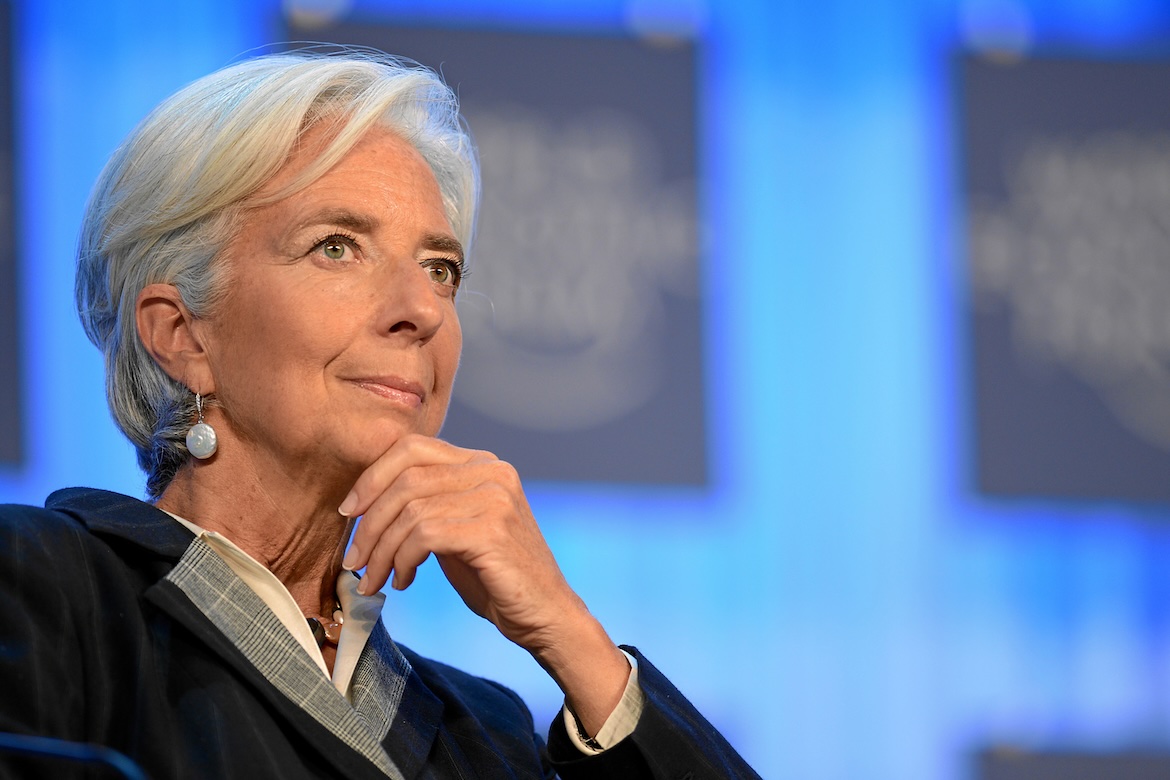
European Central Bank President Christine Lagarde personally intervened to prevent Binance from securing a license that would have allowed the world’s largest cryptocurrency exchange to operate across the European Union, according to the Wall Street Journal.
The intervention reportedly came just as Binance appeared close to obtaining authorization under the EU’s Markets in Crypto-Assets regulation, or MiCA, through Greece.
By late May, Binance believed the application had effectively cleared the Greek regulatory process. CEO Richard Teng was preparing to travel to Athens, while the company had even drafted a press release describing the approval as an important milestone.
The situation changed abruptly.
According to the Journal, a senior Greek regulator subsequently informed Binance that Lagarde had personally asked Greek Prime Minister Kyriakos Mitsotakis not to approve the application.
Lagarde Reportedly Raised Digital Euro Concerns
One of the central concerns was Europe’s monetary sovereignty.
Dollar-backed stablecoins dominate the global crypto market, and European policymakers have repeatedly warned that their increasing adoption could strengthen the dollar’s role in digital payments at the expense of the euro.
The Journal reported that Lagarde was concerned that allowing Binance to establish a major regulated presence across the EU could further expand the use of dollar-denominated stablecoins in Europe.
That issue is particularly sensitive as the ECB develops the digital euro, its proposed central bank digital currency.
The ECB itself does not have formal authority to approve or reject MiCA licenses. Under the framework, crypto companies apply through national regulators, and an authorization obtained in one EU member state can generally be used to provide services throughout the bloc.
In Binance’s case, the application was being handled by Greece’s Hellenic Capital Market Commission.
The reported intervention therefore illustrates how broader European monetary and financial-policy concerns can influence crypto regulation even when the ECB is not formally responsible for issuing licenses.
Binance’s U.S. Compliance Record Became Another Obstacle
Binance’s regulatory history also weighed heavily on the application.
The exchange pleaded guilty in the United States in 2023 to violations involving anti-money-laundering and sanctions requirements and agreed to pay more than $4 billion to resolve the case.
According to the Journal, European regulators remained concerned about whether the company’s compliance improvements were sufficient to justify granting it access to the entire EU market.
The European Securities and Markets Authority, or ESMA, had separately advised national regulators against approving Binance applications because of concerns surrounding the exchange’s compliance record, the Journal reported.
Binance has argued that it has transformed its compliance operations since its U.S. settlement. The company says it now has more than 1,500 people working in compliance-related roles and has made significant investments in controls and fraud prevention.
Before withdrawing its Greek application, Binance said its understanding was that the Hellenic Capital Market Commission had completed its review and considered the application compliant with MiCA requirements.
Binance Ultimately Withdraws Greek Application
The dispute ultimately ended without Greece formally rejecting Binance.
On June 24, the exchange announced that it had withdrawn its MiCA application in Greece, saying it would instead pursue authorization in another EU member state.
That left Binance without the Greek license that could have provided a regulatory passport across the European Union.
The company maintained that it remained committed to Europe and said it wanted a “fair, predictable, and genuinely harmonized” regulatory framework.
The episode also highlights a broader struggle over the future architecture of European digital finance.
MiCA was designed to establish common rules for crypto companies across the EU. But the Binance case demonstrates that national licensing decisions can carry consequences far beyond the country issuing the authorization.
For the ECB, the issue also intersects with a strategic concern: whether Europe’s future digital financial system will be built around the euro or increasingly depend on dollar-backed private stablecoins.
If the Journal’s account is accurate, Lagarde was willing to intervene personally when those two issues collided.
For Binance, the consequence was immediate. A license that appeared close to approval disappeared, leaving the world’s largest crypto exchange without the European authorization it had spent months pursuing.