Key Notes
- Amazon unveiled the $74.99 Bee Frontier wearable and $99.99 Bee Eclipse phone attachment, with Frontier available now and Eclipse coming soon.
- Bee Pro costs $11.99 per month and adds Alexa+, Amazon shopping and third-party app integrations to the consumer AI offering.
- For AMZN shareholders, subscription retention and shopping engagement will matter, while Amazon has disclosed no separate Bee earnings forecast.
Amazon.com Inc. (NASDAQ: AMZN) is expanding its consumer AI business with two new Bee devices, combining conversation summaries and reminders with paid subscriptions, Alexa+ access and links to its online store.
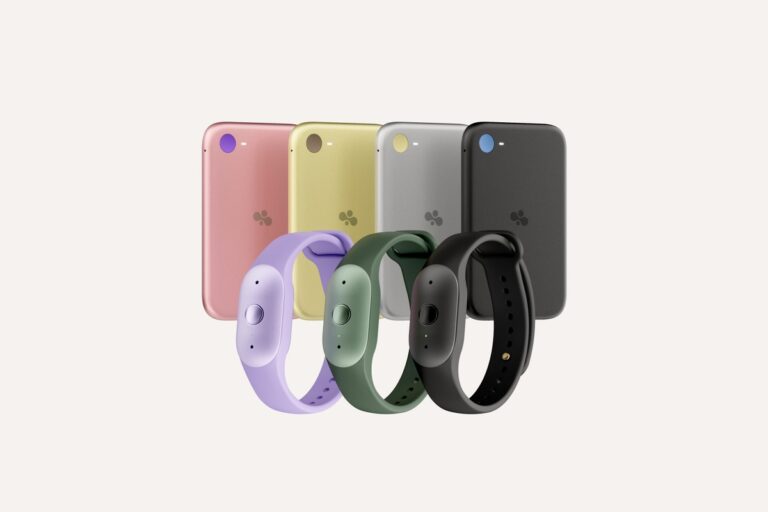
The company unveiled the $74.99 Bee Frontier wearable and $99.99 Bee Eclipse phone attachment on October 15. Frontier is available now, while Eclipse will be available soon, giving Amazon another way to bring AI assistance beyond the home.
For AMZN shareholders, the commercial opportunity extends beyond selling another gadget. Bee can connect everyday conversations to recurring software revenue and shopping recommendations, although Amazon has not disclosed sales targets or a separate financial forecast for the lineup.
Two Designs Bring Personal AI Into Everyday Use
Bee Frontier can be worn on the wrist or clipped to clothing. It comes in Onyx, Lavender and Sage, with dual microphones, upgraded noise filtering, IP67 water resistance and USB-C charging. Amazon says its battery can last up to seven days.
Bee Eclipse takes a different approach. The roughly credit card-sized device attaches magnetically to the back of a smartphone and is designed to turn conversations into summaries, insights and to-dos. Amazon claims more than 21 days of battery life on a charge.
The two formats let customers choose between a wearable and an accessory for something they already carry. Their usefulness will depend on how reliably they capture relevant details, distinguish speakers and produce information people want to revisit, rather than on battery specifications alone.
The release is the first Bee hardware update since Amazon acquired the startup in July 2025, CNBC reported. The acquisition price was not disclosed.
Bee Pro Adds a Recurring Revenue Opportunity
Device buyers receive conversation summaries, recaps and 14-day memory without an additional subscription. Bee Pro costs $11.99 per month, with a 30-day free trial for new customers.
The paid plan includes unlimited recent conversation summaries, daily memories, a personal chat assistant, conversation templates and the desktop application. It also unlocks integrations with third-party apps, Amazon.com and Alexa+.
At the stated monthly price, a customer paying for a full year would spend $143.88 on Bee Pro, excluding tax. That is more than the upfront price of either device, illustrating why subscription uptake and retention could matter more over time than the initial hardware sale.
This is pricing arithmetic, not a revenue forecast. Amazon has not provided a subscriber target, conversion rate from the free trial or expected margin. The costs of AI processing, customer support and continued product development would also affect the economics.
Alexa and Shopping Give Bee a Wider Role
Connecting Bee to Alexa+ enables hands-free access to meeting summaries, reminders and information mentioned in conversations. Amazon gives the example of asking Alexa for the name of a book a friend recommended.
The Amazon.com integration can surface product recommendations on the Amazon homepage and in Bee’s mobile and desktop apps. A remembered need for an everyday item could therefore become a shopping prompt, linking the assistant to an existing retail transaction.
That is strategically relevant to AMZN because Amazon can combine devices, software and commerce within one customer relationship. The launch does not establish that recommendations will generate incremental purchases, and shopping integration should not be confused with automatic permission to place every order.
The competition over that relationship is already becoming more visible. Elon Musk floated an Amazon rival in a discussion about Grok shopping bots, as we reported. His remark was an idea rather than an announced retail launch, but it highlights the contest over which assistant directs purchasing decisions.
Privacy Will Be Central to Adoption
Bee processes conversations when switched on, making privacy and participant consent central to its appeal. Both devices have a control button and a visible indicator light, while Frontier can be configured to stop after a period without sound.
Amazon’s privacy explanation says audio is transcribed in real time and discarded rather than stored. Transcripts, summaries and to-dos are encrypted with keys created and controlled by the customer’s device.
The company says processing takes place in an isolated Bee Private Compute environment and that customers choose what to share with connected services. Users can delete transcripts and summaries. These are Amazon’s descriptions of its security architecture, rather than a claim that every privacy concern associated with ambient recording has been resolved.
The commercial test is whether customers find the service useful enough to use regularly and are comfortable involving it in their conversations. Dependable controls and clear sharing choices could be as important to adoption as the AI features themselves.
What the Launch Means for AMZN Investors
Bee is a consumer-facing addition to a much larger AI strategy. Amazon’s latest quarterly results showed total net sales of $200.6 billion, up 20% from a year earlier. AWS sales rose 37% to $42.2 billion, with the cloud division contributing $16.6 billion in operating income.
Those figures provide scale, not a forecast for Bee. The new devices are not yet a separately disclosed earnings driver, and their launch alone cannot establish a material change to Amazon’s profit outlook.
For shareholders, evidence of repeat use, paid subscriptions and additional shopping activity would make the opportunity easier to assess. Amazon is placing another consumer AI product alongside its cloud investments; the next question is whether useful everyday assistance becomes durable revenue after the initial hardware purchase.