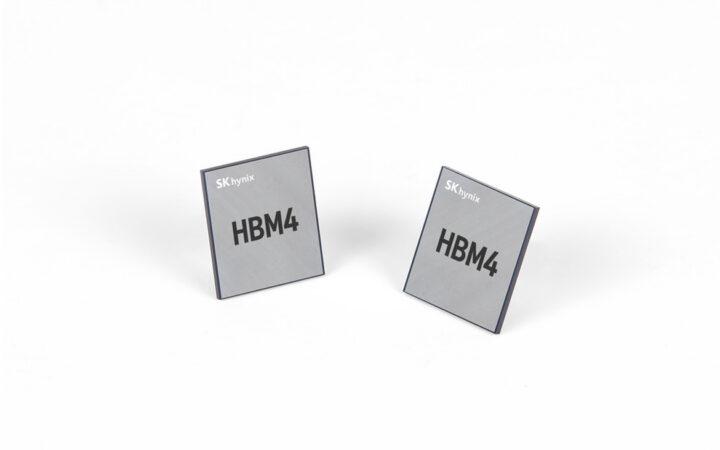
Shares of SK Hynix plunged 14.7% in Seoul on Tuesday, leading a broad sell-off across the global semiconductor sector as investors grew increasingly concerned about AI-related spending, rising competition from China, and stretched valuations. The sharp decline marked one of the company’s worst single-day performances in years and helped drag South Korea’s benchmark KOSPI index down nearly 11%.
The sell-off extended losses that began on Wall Street, where Nvidia and other AI-related semiconductor companies came under pressure after investors questioned whether massive investments in AI infrastructure would generate sufficient long-term returns. Those concerns quickly spread across Asian markets, with memory chip makers bearing the brunt of the decline.
China Emerges as a Growing Competitive Threat
Investor sentiment deteriorated further following reports that Chinese companies have made significant progress in domestic semiconductor manufacturing.
The recent blockbuster IPO of ChangXin Memory Technologies (CXMT), which briefly became China’s most valuable listed company, reinforced expectations that Beijing’s semiconductor strategy is beginning to reshape the competitive landscape. At the same time, reports that Chinese firms have started producing domestic deep ultraviolet (DUV) lithography equipment raised concerns that China’s chip industry could reduce its dependence on foreign technology faster than previously expected.
Although analysts note that Chinese memory producers still trail global leaders in advanced high-bandwidth memory used for artificial intelligence, investors increasingly fear that expanding production capacity could eventually pressure prices and profitability across the industry.
AI Spending Concerns Weigh on the Sector
The latest decline also reflects growing skepticism toward the enormous capital commitments being made throughout the AI ecosystem.
Recent reports surrounding financing for large-scale AI data center projects have fueled concerns that technology companies may face longer payback periods on infrastructure investments than previously anticipated. As a result, investors have begun rotating away from many of the sector’s biggest winners after months of exceptional gains.
Samsung Electronics also fell more than 14%, while semiconductor stocks across Japan and Taiwan posted steep losses as investors reduced exposure to AI hardware companies.
Earnings Could Be the Next Catalyst
Despite the sharp correction, analysts caution that the long-term outlook for AI memory demand remains intact.
Attention is now turning to upcoming earnings reports from major semiconductor companies, including SK Hynix, which investors hope will provide greater clarity on demand for high-bandwidth memory chips, production plans, and pricing trends. Any indication that AI infrastructure spending remains resilient could help stabilize sentiment after one of the industry’s sharpest sell-offs in recent years.