Key Notes
- Situational Awareness lost 65% after fees in the third quarter but remained up 88.5% for the year through September.
- Aschenbrenner has restructured the portfolio and is recruiting a chief risk officer after the summer crisis.
- The returns exclude October and November, while possible renewed borrowing would be at lower levels than before.
Leopold Aschenbrenner’s AI-focused hedge fund Situational Awareness lost 65% after fees in the third quarter, yet remained up 88.5% for the year through September, according to an investor letter the Wall Street Journal reviewed.
The figures put a quarterly number on the damage from the fund’s summer crisis, when borrowing magnified losses in AI-related stocks and forced a large portfolio sale. They also show how much of its earlier gains survived. Both returns stop at September 30, before the renewed selloff in October and November.
A Deep Loss, With Earlier Gains Still Intact
The two percentages describe different periods. A hypothetical $100 invested at the start of 2026 would have been worth $188.50 at September’s end on the reported year-to-date return. By contrast, $100 invested at the start of the third quarter would have fallen to $35.
Recovering from a 65% loss requires a subsequent gain of about 186%. That arithmetic helps explain why a fund can still show a strong calendar-year return while facing a substantial task rebuilding capital lost during a single quarter. These illustrations exclude individual investors’ deposits and withdrawals.
A Risk Overhaul After the Summer Crisis
Aschenbrenner has restructured the portfolio and is recruiting a chief risk officer. He acknowledged the role of leverage in the summer losses and set out a new rule: “Volatility, yes; existential risk, even if we are totally wrong, never.”
In July, falling AI shares triggered margin calls from banks, and the fund sold a large part of its public-stock portfolio to Ken Griffin’s Citadel. The sale provided cash as its leveraged positions came under pressure.
The smaller portfolio subsequently appeared in its September regulatory filing: the reported 13F total fell 92.2%, to $1.58 billion from $20.24 billion in June. That decline measures disclosed holdings, including the value of shares underlying options. It is separate from the 65% investment loss and does not establish the fund’s total assets.
The AI Bet Continues
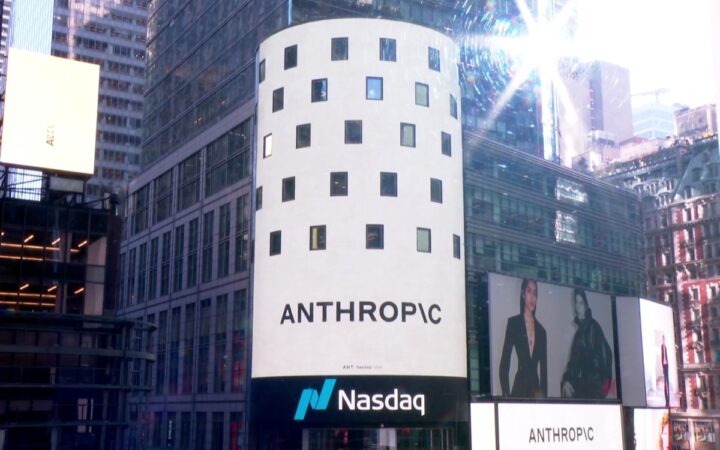
Following the IPO of Anthropic (NASDAQ: ANT), previously its largest private holding, the portfolio was about 70% publicly traded stocks and 30% private-company positions, according to the letter. The fund may rebalance its Anthropic exposure while remaining bullish on the company at its IPO price.
Aschenbrenner also expects to resume shorting stocks and may return to borrowing, at lower levels than before. The overhaul therefore leaves room for leverage. His stated constraint is that a mistaken investment thesis must no longer threaten the fund’s survival.
Disclaimer: MarketSpeaker content is provided for informational and educational purposes only and does not constitute financial or investment advice. Investing involves risk, including the possible loss of principal. Verify information independently and consult a qualified professional before making financial decisions.