Key Notes
- Norse Atlantic warned that new financing is needed to meet short-term cash needs and continue operating.
- Shares fell 76.8% intraday as the airline pursued funding and potential takeover talks without assurance of a solution.
- October load factor reached 94.9%, but higher fares and fuller aircraft have not resolved the liquidity shortfall.
Norse Atlantic (OSL: NORSE) needs fresh financing to keep flying after soaring fuel costs left the Norwegian long-haul budget airline in a critical financial position. Its shares plunged 76.8% in Wednesday trading, extending a brutal selloff as investors confronted the risk that rescue talks could fail.
The carrier warned on November 25 that it depends on new funding to meet short-term liquidity needs and continue operating. It is discussing financing with selected parties while exploring a potential takeover, but has not secured a solution.
A Search for Cash and a Buyer
Norse said its board and advisers are considering several options, including additional contracts to supply aircraft, crew, maintenance and insurance to other airlines. Known as ACMI agreements, these arrangements allow a carrier to deploy aircraft outside its own scheduled network.
The company cautioned that its financing discussions might not produce a viable outcome. It did not name the potential funding providers or takeover counterparties, disclose the amount it needs, or say how long it can operate without fresh money.
The announcement did not include a suspension of flights. TravelCapybara outlined the warning and the airline’s ongoing funding discussions as Norse heads deeper into the winter season.
Fuller Planes Have Not Solved the Shortfall
The warning follows signs of stronger demand on the routes Norse has retained. In October, its combined scheduled, charter and ACMI operations recorded a 94.9% load factor, up from 92.1% a year earlier.
Revenue per available seat kilometer in its own network rose 19%. But Norse operated just 199 scheduled-network flights, compared with 355 a year earlier, while ACMI and charter flights increased to 151 from 130.
Those figures show the limits of the improvement: higher fares and fuller aircraft can strengthen revenue on individual flights while a much smaller network leaves the airline struggling to generate enough cash.
Fuel Costs Deepen the Winter Squeeze
The financial pressure has been building for months. In August, Norse reported second-quarter revenue of $132 million and an $8.4 million loss before interest, taxes, depreciation, amortization and rent. It blamed elevated fuel prices, lower aircraft utilization and operational disruption.
That update also disclosed a $52 million senior secured financing agreement maturing in 2027. Wednesday’s warning shows that the earlier funding and operational changes have not removed the need for additional cash.
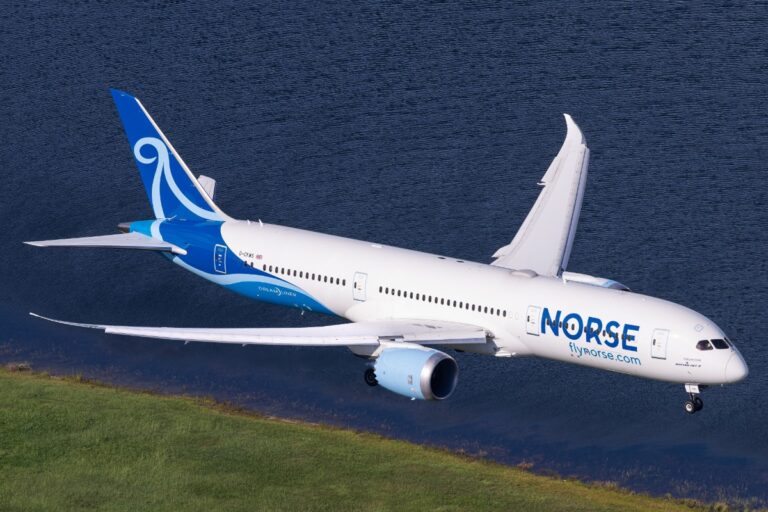
Ryanair had already warned that weaker European airlines could struggle to survive sustained high jet fuel prices. For Norse, the immediate question is now who will provide the money to keep its 12 Dreamliners in business.
Disclaimer: MarketSpeaker content is provided for informational and educational purposes only and does not constitute financial or investment advice. Investing involves risk, including the possible loss of principal. Verify information independently and consult a qualified professional before making financial decisions.