Key Notes
- Nasdaq-100 futures fell 1.95%, S&P 500 futures lost 1.01% and Dow futures dropped 205 points in an early November 25 snapshot.
- Renewed AI selling followed Tuesday declines of 5.86% for Nvidia and 6.54% for Anthropic as debt financing concerns persisted.
- October PCE inflation data were due at 8:30 am Eastern, with traders also watching reports of new US tariffs.
Nasdaq-100 futures slid nearly 2% early Wednesday as Wall Street’s brief AI revival gave way to renewed concern over technology spending, corporate debt and another potential round of US tariffs.
In the early-morning market update at 4:20 a.m. Eastern on November 25, Nasdaq-100 futures were down 1.95%, S&P 500 futures fell 1.01% and Dow Jones Industrial Average futures lost 205 points, or 0.42%. The moves came ahead of fresh US inflation data and reports that Washington could announce new duties on major trading partners, including China and the European Union.
AI Stocks Give Back Some Gains
The selling followed a divided session on Tuesday. The S&P 500 slipped about 0.5% and the Nasdaq Composite lost roughly 1.5%, while the less technology-heavy Dow gained about 0.9%.
Nvidia (NASDAQ: NVDA) fell 5.86% on Tuesday, a sharp reversal after its shares surged 31.48% on Monday following Jensen Huang’s return as CEO. Anthropic (NASDAQ: ANT) lost 6.54%, having broken below its $83 IPO price earlier in the session.
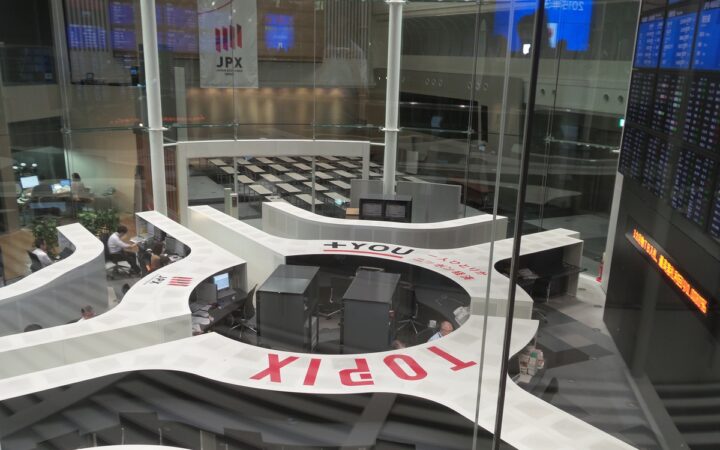
The pressure spread overseas on Wednesday. South Korea’s Kospi closed 6.16% lower and Japan’s Nikkei 225 fell 2.78%, underscoring how quickly the renewed retreat from AI shares had reached other major markets.
Debt Investors Question the AI Spending Bill
Behind the swings is a financing problem that a change in Nvidia’s leadership cannot resolve. Building AI capacity requires sustained spending on chips, data centers and power, with investors increasingly questioning how quickly those outlays will produce cash returns.
Fund managers interviewed by CNBC warned that heavy bond issuance and weaker free cash flow are making lenders more selective. The concern is both the credit risk of individual borrowers and the volume of new debt competing for investors’ money.
That leaves the sector with competing demands. Large technology buyers could reassure shareholders by slowing spending and rebuilding cash flow. Chipmakers, however, depend on those same customers continuing to expand AI capacity.
Tariff Reports Put Inflation Back in Focus
The latest trade reports added pressure as the administration prepares possible tariff increases following investigations into industrial subsidies. Final rates and implementation dates had not been announced in the early Wednesday market update.
The Bureau of Economic Analysis is scheduled to release October personal income and outlays data, including the PCE price index, at 8:30 a.m. Eastern. Economists in the Dow Jones survey expected headline PCE inflation of 0.3% for the month and 3.8% from a year earlier.
For companies financing years of AI construction, the next inflation reading has an immediate consequence: persistent price pressure would leave less room for borrowing costs to fall, just as investors are demanding a clearer return on that construction bill.
Disclaimer: MarketSpeaker content is provided for informational and educational purposes only and does not constitute financial or investment advice. Investing involves risk, including the possible loss of principal. Verify information independently and consult a qualified professional before making financial decisions.