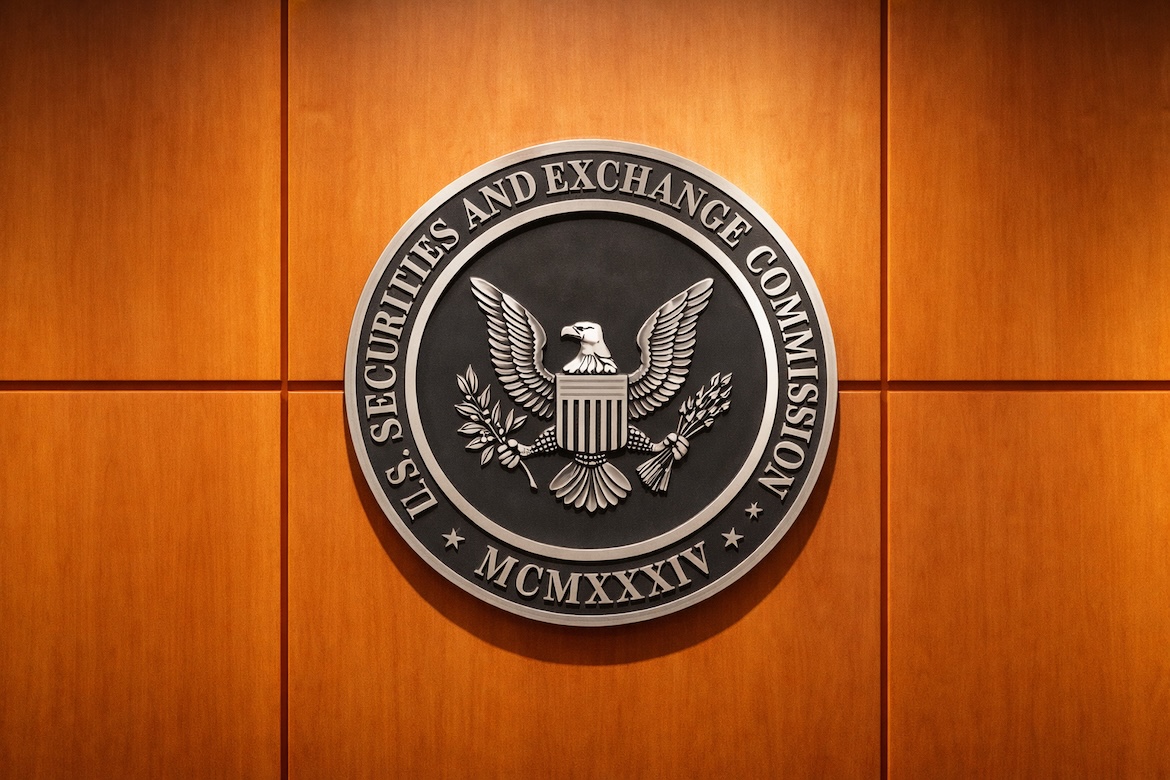
The U.S. Securities and Exchange Commission is taking steps toward a potentially fundamental transformation of American financial markets, examining both 24-hour stock trading and the growing use of blockchain technology for securities.
The regulator will hold a roundtable on September 17 focused on preparations for 24-hour trading in U.S. securities markets. The discussion will bring together regulators and market participants to examine the operational, regulatory and technological challenges created by extending trading beyond traditional market hours.
At the same time, the SEC has proposed a major modernization of rules governing registered transfer agents, explicitly addressing how technologies including distributed ledgers and blockchain are changing the way securities can be issued, recorded and transferred.
SEC Examines Round-the-Clock Stock Trading
The September 17 roundtable will focus on what would be required for U.S. markets to support significantly longer trading hours and potentially move toward continuous trading.
Among the issues on the agenda are overnight market surveillance, liquidity, clearing and settlement, system maintenance and operational resilience.
These questions become considerably more complicated when exchanges operate continuously. Traditional markets rely on periods when trading is closed to perform maintenance, reconcile transactions and manage other operational processes.
A move toward 24/7 trading would require market infrastructure to perform many of those functions while trading remains active.
The SEC’s discussion comes as investor demand for extended-hours trading grows, particularly among international and retail investors accustomed to cryptocurrency markets that never close.
Blockchain Could Reshape Securities Infrastructure
Separately, the SEC has proposed modernizing the regulatory framework governing transfer agents, which maintain ownership records and process changes in ownership for securities.
The proposal represents the first comprehensive overhaul of these rules in decades and specifically recognizes the development of distributed ledger technology and tokenized assets.
Blockchain could potentially allow securities ownership and transfers to be recorded through distributed digital infrastructure rather than relying entirely on conventional databases and intermediaries.
That could eventually support broader issuance and trading of tokenized stocks while potentially changing how transactions are recorded and settled.
The SEC’s proposal does not mean that the U.S. stock market is immediately moving onto blockchain. Instead, the regulator is attempting to update existing rules so they can accommodate technological changes without abandoning investor protections and market oversight.
Traditional Markets Move Closer to Crypto Infrastructure
Together, the two initiatives illustrate how traditional securities markets are beginning to adopt features long associated with cryptocurrency.
Crypto markets operate continuously, allowing investors to trade at any hour and settle transactions through blockchain-based infrastructure. U.S. equities, by comparison, remain centered around defined trading sessions and traditional clearing systems.
That distinction is gradually narrowing.
Major exchanges and brokerage platforms have already expanded overnight and extended-hours trading, while financial institutions are experimenting with tokenized stocks, bonds, funds and other real-world assets.
U.S. Markets Enter a New Era
The SEC’s initiatives could ultimately influence some of the most basic assumptions underlying American stock trading.
A market operating around the clock would allow investors across different time zones to react immediately to earnings reports, geopolitical developments and economic news rather than waiting for the next regular trading session.
Meanwhile, blockchain-based securities infrastructure could change how ownership is recorded and how assets move between investors.
Neither transition will happen overnight. Questions surrounding liquidity, cybersecurity, market surveillance, settlement and investor protection remain substantial.
But by formally preparing for 24-hour trading while simultaneously rewriting rules to account for blockchain technology, the SEC is laying the regulatory groundwork for a U.S. securities market that could eventually look significantly different from the one investors use today.