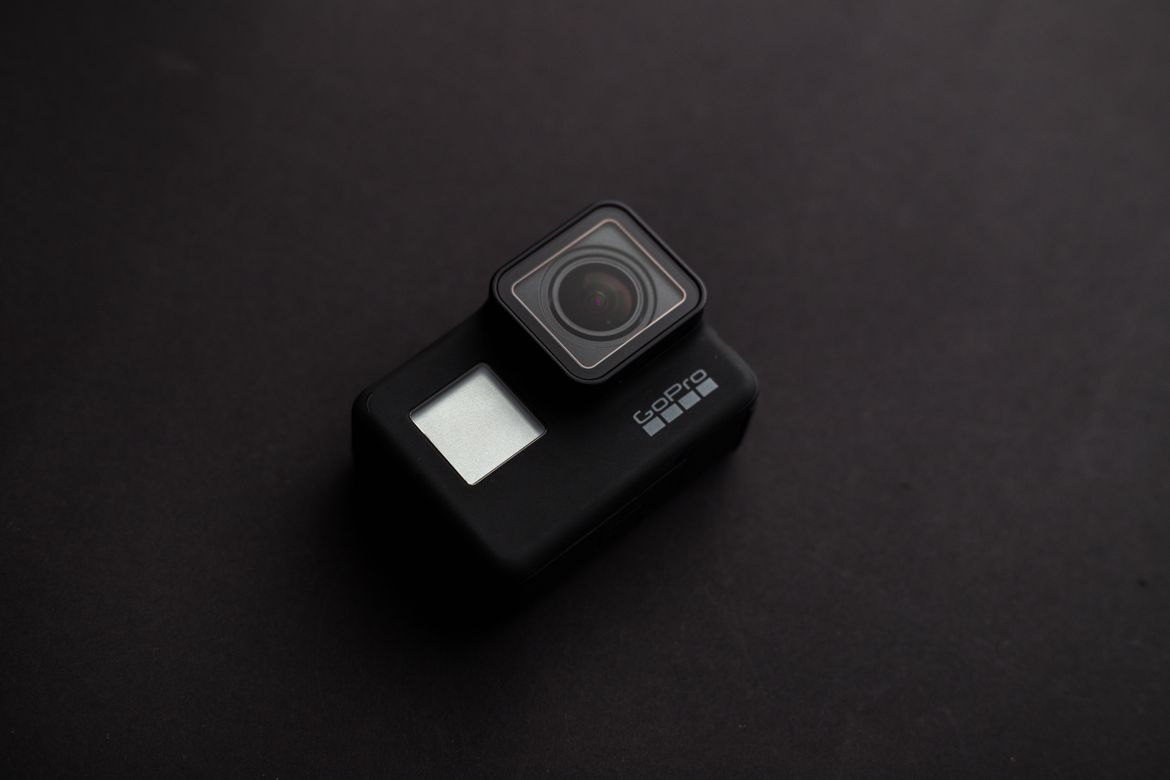
GoPro has agreed to be acquired for $285 million by Starman Optical, a U.S. photonics company, in a deal designed to recapitalize the struggling action-camera maker and expand its optical technology into AI infrastructure, commercial applications and defense markets.
Under the agreement, GoPro shareholders will receive $1.14 per share and retain approximately 10% of the combined company, while Starman’s existing owners will control the remaining roughly 90%. The transaction is expected to close before the end of 2026.
Unlike a conventional acquisition that takes the target private, GoPro will remain publicly traded following the combination.
Deal Gives GoPro a Financial Lifeline
The merger comes after years of financial pressure at the company that helped create the modern action-camera market.
As part of the transaction, GoPro’s approximately $92 million in outstanding debt will be eliminated, significantly strengthening its balance sheet.
The financial reset could prove critical. In June, GoPro warned shareholders that it might not be able to continue operating without additional financing. Founder and CEO Nick Woodman subsequently committed $20 million to help support the business.
GoPro has struggled to replicate the explosive growth it experienced after going public in 2014. Attempts to expand beyond action cameras into areas such as drones and 360-degree cameras failed to create a comparable growth engine, while the company underwent multiple rounds of layoffs.
Starman Sees Opportunity Beyond Consumer Cameras
Starman Optical’s strategy extends well beyond GoPro’s traditional consumer products.
The company focuses on optical transceivers and photonics technologies, components that are increasingly important for high-performance computing and AI data centers.
Following the merger, the combined company plans to use GoPro’s expertise in imaging, optics and intellectual property across consumer, commercial and defense applications, while also targeting opportunities connected to AI infrastructure.
Starman also intends to expand U.S. manufacturing of strategically important optical components.
At the same time, the companies say GoPro’s existing consumer business will continue to be supported, meaning its cameras and related products are not expected to disappear as a result of the transaction.
GoPro Searches for a New Growth Story
For GoPro, the merger represents an opportunity to reinvent a business that has struggled for years to find another major source of growth.
Its brand remains closely associated with action cameras, but its underlying expertise in cameras, imaging and optical systems could have applications far beyond consumer electronics.
AI data centers require enormous numbers of high-speed optical connections to move information between computing systems, while advanced imaging technologies are also becoming increasingly important in defense and other strategic industries.
The combination with Starman could therefore give GoPro access to faster-growing markets while preserving its established consumer products.
The transaction is expected to close by the end of 2026, subject to customary conditions. If completed, GoPro will enter its next chapter as part of a broader publicly traded optical technology business rather than solely as an action-camera company.