Key Notes
- Nike shares fell about 5% after the results before paring losses, extending their slide into 13-year-low territory.
- Revenue missed expectations despite an earnings beat, and management forecast another annual sales decline.
- The Pace restructuring targets cumulative savings through fiscal 2031 but also brings significant charges.
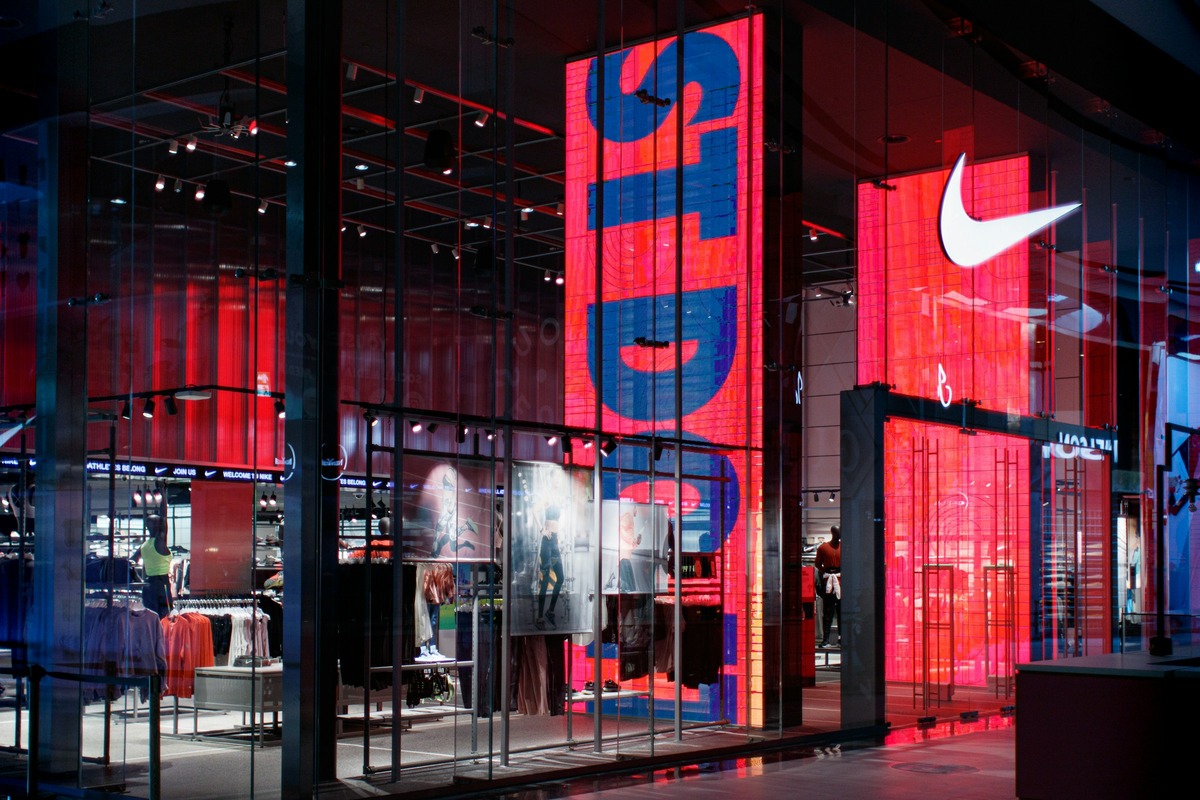
Nike Inc. (NYSE: NKE) shares fell in extended trading Thursday after the sportswear company missed quarterly revenue expectations and forecast another decline in annual sales, leaving an earnings beat overshadowed by concerns about its recovery.
The stock fell about 5% after the release, trading at $33.56 at 4:39 p.m. EDT on October 1, down 4.53% from its $35.15 regular-session close. It subsequently pared the decline to 3.33%, or $33.98, at 4:45 p.m. EDT, according to Yahoo Finance quote data. The after-hours move extended a slide into 13-year-low territory. Benzinga had reported before the release that the shares were already at levels last seen in October 2013; these extended-session prices are not new regular-session closing records.
The distinction in the report matters: Nike beat profit expectations. It earned 48 cents a share against the 44-cent consensus cited by Investing.com, while revenue of $11.21 billion fell short of the $11.35 billion estimate. The comparison puts the disappointment in sales and the outlook, rather than an earnings miss.
Direct Sales Remain Under Pressure
Nike’s results showed revenue fell 4% in reported terms and 5% excluding currency movements for the quarter ended August 31. Nike Direct sales declined 8% to $4.1 billion, including a 13% drop in digital sales and a 5% decline at company-owned stores.
Wholesale revenue slipped 1% to $6.8 billion. North American growth partly offset weakness elsewhere, while Converse sales dropped 28% to $263 million. Gross margin improved 60 basis points to 42.8%, helped by lower warehousing and logistics costs.
That mix shows why a better margin did not resolve the growth question. Lower costs can protect profitability, but falling sales across direct channels still leave management needing to rebuild demand. An earnings beat can therefore coexist with a weaker investment outlook when investors are looking for a sustained recovery in revenue.
Annual Outlook Keeps the Recovery in Focus
Nike expects fiscal 2027 revenue to decline by a high-single-digit percentage. Its adjusted earnings outlook is $1.15–$1.35 a share, excluding approximately 15 cents of restructuring expenses. Investing.com highlighted the annual forecast as another source of concern following the quarterly sales miss.
The guidance suggests the business remains in a rebuilding phase. Improving the economics of each sale will matter, but so will restoring growth in the areas where Nike has struggled to regain momentum.
Consumer spending is also uneven across categories. MarketSpeaker’s coverage of hobby spending showed households protecting selected leisure purchases even as costs increased. That broader pattern does not establish demand for Nike products; the company’s own sales remain the more direct test of its turnaround.
Pace Targets Savings Through 2031
The new Pace program targets $2.5 billion of cumulative savings through fiscal 2031, before restructuring charges and reinvestment. Nike estimates $1 billion in pretax charges over that period, including roughly $300 million in fiscal 2027. Plans include supply-chain modernization, an India campus and a shift to three geographic regions.
The latest restructuring follows earlier changes. In April, Nike outlined plans to reduce about 1,400 Global Operations roles, mainly in technology. It also described changes to manufacturing, materials teams and the location of some Converse resources.
Those April measures focused on simplifying operations and bringing teams closer to production and commercial needs. They provide background to the continuing reorganization, rather than a new headcount figure for Pace. The savings target is cumulative through 2031, not a promised annual increase in profit.
Sport Strategy Faces a Sales Test
In its fiscal 2026 shareholder letter, Nike said roughly 8,000 employees had moved into teams organized around individual sports. Chief executive Elliott Hill described product innovation, athlete relationships and a stronger marketplace as central to the recovery, while acknowledging that results were still below the company’s potential.
The latest figures leave that strategy facing a clear commercial test: whether stronger products and a simpler organization can stabilize sales across digital channels, stores and regions. Cost reductions provide support, but a durable recovery would require progress in demand as well.
Nike’s decline followed a session in which other companies rallied on financial updates, as covered in MarketSpeaker’s stock movers roundup. Its after-hours reaction underlines how differently investors can respond to headline earnings when the underlying sales outlook diverges.